Calm Is a Skill: The Neuroscience of Performing Under Pressure


When most people think about high performers, they imagine individuals who never feel stress.

The successful entrepreneur who always seems confident. The athlete who never appears nervous. The executive who remains composed during a crisis. The first responder who makes difficult decisions in seconds.

But neuroscience tells a different story.

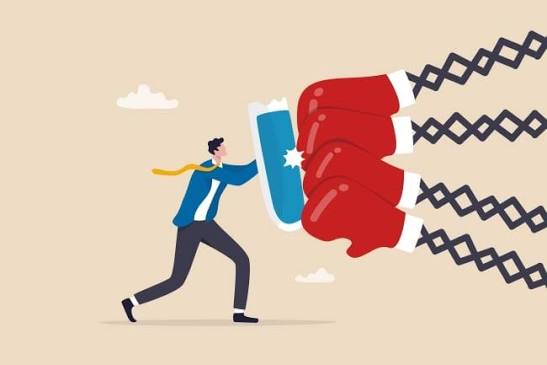
The people who perform best under pressure aren’t the ones who avoid stress. They’re the ones who have trained their brains and nervous systems to function effectively despite it.

Calm isn’t the absence of pressure. Calm is the ability to maintain control while pressure exists.

Understanding how the brain responds to stress reveals why some people thrive in difficult situations while others become overwhelmed.

Your Brain Was Built for Survival, Not Performance

When the brain detects a threat, whether physical or psychological, it activates the body’s stress response system.

The amygdala, often called the brain’s alarm center, signals the release of stress hormones such as adrenaline and cortisol.

Heart rate increases.

Breathing becomes faster.

Muscles tense.

Attention narrows.

This response was incredibly useful thousands of years ago when humans faced immediate physical dangers.

The problem is that today’s threats are often psychological rather than physical.

A difficult conversation.

Financial uncertainty.

A business setback.

An upcoming presentation.

An important life decision.

The brain frequently reacts to these situations as if survival is at stake.

The result is a nervous system operating in emergency mode.

Why Pressure Makes People Perform Worse

Many people assume pressure sharpens performance.

To a certain degree, it does.

A moderate amount of stress can increase focus, motivation, and alertness.

However, when stress becomes excessive, something important happens inside the brain.

The prefrontal cortex—the area responsible for reasoning, decision-making, planning, and emotional regulation—begins to lose efficiency.

Meanwhile, survival-oriented brain regions take control.

In simple terms, the more overwhelmed you become, the less access you have to your highest-level thinking.

This explains why people often:

  • Forget information during presentations
  • Make emotional decisions
  • Overreact to minor setbacks
  • Struggle to solve problems clearly
  • Feel mentally frozen during important moments

Pressure itself is not the enemy.

Losing access to rational thinking is.

The Brain of a Calm Person Works Differently

Individuals who remain calm under pressure are not necessarily experiencing less stress.

Instead, their brains are better at regulating stress.

Research shows that resilient individuals demonstrate stronger communication between the prefrontal cortex and the amygdala.

In other words, the logical part of the brain maintains greater influence over the emotional alarm system.

This creates a powerful effect.

Instead of reacting automatically, they respond intentionally.

Instead of panic, they evaluate.

Instead of emotional impulsiveness, they remain strategic.

This ability often appears effortless from the outside, but it is actually the result of repeated training and adaptation.

Calm Is Built Through Exposure

One of the most misunderstood aspects of resilience is that confidence rarely comes first.

Exposure comes first.

The brain learns safety through experience.

Every time you successfully navigate a difficult situation, your nervous system updates its understanding of what is survivable.

Over time, situations that once felt overwhelming become manageable.

Think about someone speaking in public.

The first presentation may create intense anxiety.

The tenth presentation feels uncomfortable.

The hundredth presentation feels routine.

The threat hasn’t changed.

The brain’s interpretation of the threat has.

This is one reason high performers often seek controlled challenges.

They understand that resilience grows through repeated exposure to manageable stress.

The Role of Breathing in Brain Function

One of the fastest ways to influence the nervous system is through breathing.

Most people don’t realize that breathing patterns directly affect brain activity.

When stress rises, breathing often becomes rapid and shallow.

The brain interprets this as confirmation that danger is present.

When breathing slows and becomes controlled, the brain receives a different message.

The environment is safe.

The threat is manageable.

The nervous system can relax.

This is why tactical breathing techniques are used by military personnel, elite athletes, first responders, and high-level performers.

They are not simply trying to feel better.

They are actively influencing brain function.

An Example of Calm Under Pressure

Imagine two business owners facing the exact same problem.

A major client unexpectedly cancels a contract worth thousands of dollars.

Owner A immediately panics.

They begin imagining worst-case scenarios.

They lose sleep.

They make rushed decisions.

They become emotionally reactive.

Owner B experiences the same stress but responds differently.

They acknowledge the setback.

They regulate their breathing.

They evaluate available options.

They create a plan.

They focus on actions instead of fears.

The challenge is identical.

The difference is not intelligence.

The difference is nervous system regulation.

One person’s brain remains trapped in survival mode.

The other maintains access to strategic thinking.

Over months and years, those small differences compound into dramatically different outcomes.

A Study on Stress and Performance

A study published in the journal Nature Reviews Neuroscience found that chronic stress can impair the functioning of the prefrontal cortex while strengthening the influence of brain regions associated with fear and habitual responses.

Researchers observed that prolonged stress reduces the brain’s ability to engage in complex decision-making, emotional regulation, and flexible thinking.

This helps explain why people under constant pressure often feel mentally exhausted, impulsive, or stuck.

The encouraging finding is that these changes are not necessarily permanent.

Stress-management practices, recovery, exercise, mindfulness, and intentional exposure to challenges can improve resilience and support healthier brain function.

The Bigger Picture

The goal is not to eliminate stress.

That would be impossible.

The goal is to increase your capacity to handle it.

Life will always contain uncertainty.

Business will always involve risk.

Relationships will always bring challenges.

Unexpected setbacks will always occur.

The individuals who thrive are not those who avoid pressure.

They are the ones who train themselves to stay composed within it.

Calm under pressure is not a personality trait.

It is a neurological skill.

And like any skill, it becomes stronger every time it is practiced.

The more often you teach your brain that pressure does not equal danger, the more capable, resilient, and effective you become when life inevitably tests you.


Also read:

Why Fast Money Often Delays Real Wealth


Also read:

When the Body Stops Thriving and Starts Simply Surviving


Also read:

When Easy Starts to Cost You: The Hidden Trade-Offs of Convenience

Read More

Why Comparing Your Journey to Others Can Hold You Back


One of the fastest ways to lose motivation, confidence, and momentum is surprisingly common:

Constantly comparing your progress to someone else’s.

It happens every day.

You see someone buying a new house.
Someone launches a successful business.
Someone posts about a promotion.
Someone shares investment gains.

And suddenly, instead of focusing on your own progress, you start questioning it.

“Why am I not there yet?”
“What am I doing wrong?”
“Why are they moving faster than me?”

What begins as curiosity often turns into frustration.

And over time, comparison can become one of the biggest obstacles to personal and financial growth.

🌍 The Problem With Comparing Timelines

One of the biggest mistakes people make is comparing their chapter three to someone else’s chapter twenty.

What you see is often the result.

What you don’t see is:

  • Years of failure
  • Financial sacrifices
  • Long work hours
  • Missed opportunities
  • Setbacks and disappointments

Success rarely happens overnight.

But social media and public appearances often make it seem that way.

The result?

People begin judging their progress against a story they don’t fully understand.

📉 Example: Two Business Owners

Imagine two entrepreneurs.

Business Owner A

Starts an HVAC company today.

After six months:

  • Revenue is inconsistent
  • Customers are limited
  • Marketing is still being tested

They begin feeling discouraged.

Then they see another HVAC owner online posting:

  • Multiple trucks
  • A large office
  • Major contracts

What they don’t realize is that owner has been building for 12 years.

The comparison creates frustration even though the comparison isn’t fair.

One person is at the beginning.

The other is years into the journey.

💰 Example: The Investor

Imagine someone starts investing.

They contribute a few hundred dollars every month.

After one year:

  • Growth feels slow
  • The account isn’t impressive

Then they see someone online showing a six-figure portfolio.

They become discouraged.

But what they don’t see is:

  • Fifteen years of investing
  • Thousands of consistent contributions
  • Multiple market cycles

The investor who stays patient eventually benefits from compounding.

The investor who quits because of comparison never gets the chance.

🧠 Comparison Distorts Reality

The danger of comparison is that it focuses your attention on outcomes instead of processes.

You see:

  • The success
  • The money
  • The recognition

But you don’t see:

  • The discipline
  • The sacrifices
  • The years of work

This creates unrealistic expectations.

And unrealistic expectations often lead to disappointment.

⚙️ Comparison Can Lead to Bad Decisions

When people become obsessed with keeping up, they often make emotional choices.

They:

  • Jump between business ideas
  • Chase risky investments
  • Overspend to look successful
  • Abandon strategies too early

Instead of following their plan, they start reacting to someone else’s results.

And that’s where many people lose momentum.

🏗️ Everyone Has a Different Starting Point

Not everyone begins with the same circumstances.

Some people have:

  • More experience
  • More capital
  • Better connections
  • More free time

Others start with fewer resources but greater determination.

The point is simple:

👉 Your race is not their race.

Comparing progress without considering starting points is like comparing two runners without knowing where each one started.

📊 Progress Is Often Invisible at First

One of the most frustrating parts of growth is that progress is usually invisible before it becomes obvious.

A business can struggle for years before accelerating.

Investments can seem slow before compounding takes over.

Skills can take years before becoming valuable.

Because of this, many people believe they’re failing when they’re actually building a foundation.

💡 Example: The Bamboo Tree

A popular story about bamboo offers a powerful lesson.

For years after planting, certain bamboo species show little visible growth above the ground.

It appears as if nothing is happening.

But beneath the surface, an extensive root system is developing.

Then, once the foundation is strong enough, the bamboo grows rapidly.

Success often works the same way.

What appears to be “overnight success” is usually years of unseen preparation.

⚖️ The Better Comparison

Instead of comparing yourself to someone else, compare yourself to who you were six months ago.

Ask:

  • Have I learned something new?
  • Have I improved my skills?
  • Am I making better decisions?
  • Am I closer to my goals?

Those comparisons are productive.

Because they measure growth you can actually control.

🚀 Final Thought: Focus on Your Lane

There will always be someone:

  • Richer
  • Faster
  • More experienced
  • More successful

And there will always be someone behind you who wishes they were where you are.

Comparison creates frustration because the target never stops moving.

Growth happens when you stop watching everyone else’s lane and focus on your own.

💡 Bottom Line

Comparing your journey to others can make you overlook your own progress.

It can create:

  • Discouragement
  • Impatience
  • Poor decisions
  • Unrealistic expectations

The people who succeed long-term aren’t usually the ones who compare the most.

They’re the ones who stay focused on their own path, trust the process, and keep moving forward.

👉 Because success isn’t about being ahead of someone else—it’s about becoming better than you were yesterday.


Also read:

When More Protein Isn’t Better: The Hidden Stress Behind the Obsession


Also read:

Why Some People Bend Without Breaking: The Biology of Mental Resilience


Also read:

Why Real Success Takes Longer Than Most People Expect

Read More

Why Some People Bend Without Breaking: The Biology of Mental Resilience

Life challenges everyone.


Stress.


Setbacks.


Unexpected problems.


Periods of uncertainty.


Yet some people seem to navigate adversity with remarkable stability, while others feel overwhelmed by the same circumstances.


At first glance, this might look like personality or mindset alone.


But resilience is much more than positive thinking.


It’s a biological process that involves the brain, nervous system, hormones, and even physical health.


Mental resilience isn’t about avoiding stress.


It’s about how effectively the body and mind recover from it.

 

What Mental Resilience Really Means


Many people misunderstand resilience.


They assume resilient people don’t experience stress, fear, frustration, or anxiety.


The reality is quite different.


Resilient individuals experience the same emotions as everyone else.


The difference is that they recover more efficiently.


They adapt.


They regain balance.


They return to baseline faster after difficult experiences.


In other words, resilience is less about toughness and more about recovery.


The Nervous System’s Role in Resilience


At the center of resilience is the nervous system.


When stress appears, the body activates its survival response:


Increased heart rate


Elevated cortisol


Heightened alertness


Increased glucose availability


These reactions are useful in short bursts.


The problem occurs when the body struggles to switch them off.


Highly resilient individuals often have nervous systems that can move more effectively between:


Activation


Recovery


This flexibility allows them to respond to challenges without becoming trapped in chronic stress.


Why Recovery Matters More Than Strength


Think about physical exercise.


A workout itself doesn’t make you stronger.


Recovery after the workout does.


Mental resilience works similarly.


Stress isn’t always harmful.


In fact, manageable stress can strengthen adaptive capacity.


What matters is whether recovery follows.


Without recovery:


Cortisol stays elevated


Sleep quality declines


Inflammation increases


Mental fatigue accumulates


Over time, even small stressors begin feeling overwhelming.


What the Research Shows


One influential study published in Psychological Science examined individuals exposed to significant life stressors and found that resilience was strongly associated with the ability to maintain emotional regulation and recover more quickly after stressful events.


Researchers observed that resilient individuals showed healthier physiological responses to stress, including faster normalization of cardiovascular and hormonal activity after challenging situations.


The findings suggest that resilience is not simply a personality trait.


It is a measurable biological capacity that can be strengthened over time.


The Hidden Habits That Build Resilience


Mental resilience is often built long before a stressful event occurs.


Several habits consistently support resilience:


Quality Sleep


Sleep is when the brain processes emotional experiences and restores nervous system balance.


Physical Activity


Movement improves stress regulation and enhances mood-related neurotransmitters.


Stable Nutrition


Consistent meals and stable blood sugar help prevent unnecessary stress responses.


Meaningful Relationships


Social connection remains one of the strongest predictors of resilience and longevity.


Recovery Time


Moments of quiet, reflection, and relaxation allow the nervous system to reset.


Why Modern Life Challenges Resilience


Today’s world creates a unique problem.


Many people experience constant low-level stress without sufficient recovery.


Notifications.


Deadlines.


Financial pressure.


Information overload.


Poor sleep.


Whether you’re navigating a demanding schedule in Jacksonville, managing responsibilities in the Middle District of Florida, or simply trying to keep up with modern life, the nervous system often receives the same message:


Stay alert.


The result isn’t always burnout overnight.


It’s gradual depletion.


Resilience and Longevity


Mental resilience doesn’t only affect emotional well-being.


It influences long-term health.


Research continues to link chronic stress with:


Accelerated biological aging


Increased inflammation


Cardiovascular disease


Cognitive decline


Metabolic dysfunction


Resilience helps reduce the physiological burden of stress.


In many ways, resilience is not just a mental skill.


It’s a longevity skill.


The Bigger Picture


Life will always include stress.


No one escapes setbacks, uncertainty, or difficult seasons.


The goal isn’t to eliminate stress entirely.


The goal is to build a system capable of recovering from it.


No person deserves an indictment for feeling overwhelmed during challenging periods.


And resilience isn’t something people either have or don’t have.


It is something that can be developed through consistent habits, recovery, and self-awareness.


Because in the long run, the people who thrive aren’t always the strongest or the smartest.


They’re often the ones who learn how to recover, adapt, and keep moving forward when life becomes difficult.


Also read:

Why Carbs Keep Getting Blamed (When Context Is the Real Issue)


Also read:

How Stress and Cortisol Quietly Reshape Aging?

Read More

Why Fast Money Often Delays Real Wealth

Everyone loves the idea of a quick win.


A fast investment return.


A business that takes off overnight.


A side hustle that instantly replaces a full-time income.


The promise of fast money is attractive because it offers immediate results with seemingly little waiting.


But what many people discover too late is that chasing fast money often keeps them from building something much more valuable:


👉 Real wealth.


🌍 The Trap of Immediate Gratification


We live in a culture that celebrates speed.


People want:


Fast profits


Fast growth


Fast recognition


Fast success


The problem is that wealth doesn’t usually work that way.


Real wealth is often built through:


Consistent effort


Smart decisions


Patience


Time


Unfortunately, those things don’t make exciting headlines.


📉 The Cost of Constantly Switching Directions


When people chase quick wins, they often jump from opportunity to opportunity.


One month it’s cryptocurrency.


The next month it’s e-commerce.


Then it’s a new side hustle.


Then it’s another trend.


Every time they switch, they restart the process.


Instead of building momentum, they’re constantly beginning again.


And starting over is expensive.


💰 A Simple Example


Imagine two people start with the same goal: building financial freedom.


Person A: Chases Quick Wins


Every year they jump into a new opportunity:


Year 1: Day trading


Year 2: Dropshipping


Year 3: Meme stocks


Year 4: The latest online trend


Each time they spend money learning, starting, and chasing the next big thing.


After five years, they have experience—but very little that compounds.


Person B: Focuses on Long-Term Growth


They choose one path.


Maybe it’s:


Building an HVAC company


Growing a local service business


Investing consistently


Developing a valuable skill


The first few years feel slow.


Growth isn’t dramatic.


But by year five:


Customers are referring customers


Revenue is increasing


Systems are in place


Investments are compounding


What seemed slower in the beginning becomes much bigger over time.


🏗️ Why Compounding Beats Excitement


Most valuable things in life compound:


Trust


Skills


Relationships


Investments


Businesses


The challenge is that compounding is invisible at first.


You put in effort.


You stay consistent.


You don’t see much happening.


Then one day the results begin accelerating.


To outsiders, it looks sudden.


To the builder, it’s years of work finally paying off.


🧠 Why People Fall for the Fast-Money Trap


The answer is simple:


Fast money feels exciting.


Building wealth feels boring.


Wealth-building often looks like:


Saving consistently


Reinvesting profits


Improving systems


Serving customers


Learning over time


None of these create instant gratification.


But they create something much more valuable:


👉 Sustainability.


📊 The Wealthiest Paths Are Usually Unexciting


Many successful people didn’t get wealthy from one huge opportunity.


They became wealthy because they:


Stayed committed


Solved real problems


Built cash flow


Repeated winning behaviors for years


Their success wasn’t built on one lucky moment.


It was built on thousands of disciplined decisions.


⚖️ The Difference Between Income and Wealth


Fast money can create income.


But income alone doesn’t create wealth.


Wealth comes from:


Ownership


Assets


Investments


Businesses


Systems that continue producing value


That’s why someone can earn a lot of money and still struggle financially.


And someone else can build significant wealth without ever making headlines.


🚀 Final Thought: Build What Lasts


The goal isn’t to avoid every quick win.


The goal is to avoid building your entire future around them.


Quick wins can be helpful.


But foundations create freedom.


The people who build lasting wealth are usually the ones willing to sacrifice immediate excitement for long-term growth.


💡 Bottom Line


Fast money often looks attractive because the rewards appear immediate.


But the strongest financial futures are rarely built overnight.


They’re built through:


Consistency


Patience


Ownership


Compounding


Because in the end:


👉 The people who become truly wealthy aren’t usually the ones chasing the next opportunity—they’re the ones steadily building the last one.


Also read:

When Eating Less Backfires: How Under-Fueling Quietly Slows Your Metabolism


Also read:

When Sugar Isn’t the Real Problem: What Cravings Are Actually Telling You

Read More

When the Body Stops Thriving and Starts Simply Surviving

The human body is incredibly adaptive.


It can handle pressure, uncertainty, lack of sleep, emotional stress, physical strain, and long periods of demand. That adaptability is part of survival.


But survival mode was never meant to become a permanent lifestyle.


And yet, for many people, it has.


The body keeps functioning.


You keep working.


You keep pushing forward.


But underneath the surface, the system slowly shifts from growth and recovery… into protection and conservation.


That shift changes everything.


What Survival Mode Actually Means


Survival mode isn’t just emotional.


It’s biological.


When the brain perceives ongoing stress — whether physical, emotional, financial, or mental — it activates the nervous system’s stress response.


Hormones like:


Cortisol


Adrenaline


Norepinephrine


increase to help the body stay alert and prepared.


Short-term, this response is useful.


It sharpens focus.


Increases energy availability.


Improves reaction speed.


But the body is designed for stress in bursts — not nonstop activation.


What Happens During Chronic Stress


When stress becomes constant, the body starts reallocating resources.


Instead of prioritizing:


Recovery


Digestion


Hormonal balance


Long-term repair


…it prioritizes immediate survival.


This is where many people begin feeling:


Constant fatigue


Brain fog


Poor sleep


Blood sugar instability


Digestive issues


Anxiety-like symptoms


Not because the body is weak.


Because it’s adapting.


The body always asks one question first: Are we safe enough to invest in thriving?


If the answer feels like “no,” the system conserves energy instead.


Why Chronic Stress Changes the Body


The body doesn’t separate physical stress from psychological stress very well.


Lack of sleep.


Overtraining.


Financial pressure.


Constant stimulation.


Skipping meals.


Emotional strain.


To the nervous system, stress is stress.


And over time, chronic activation affects:


Immune function


Metabolism


Recovery capacity


Hormones


Inflammation levels


This is why prolonged stress often accelerates aging and increases disease risk.


The system stays prepared for danger — even when the danger never fully arrives.


The Metabolic Side of Survival Mode


One of the first systems affected by chronic stress is metabolism.


Elevated cortisol can:


Increase blood sugar swings


Disrupt hunger signals


Increase cravings


Reduce sleep quality


Shift the body toward energy conservation


This is why many people under chronic stress feel simultaneously:


Exhausted


Wired


Hungry


Mentally drained


The body isn’t malfunctioning.


It’s reallocating energy toward survival.


Why Modern Life Keeps the Nervous System Activated


The body evolved to recover after stress.


Modern life rarely allows that.


Whether you’re navigating long workdays in Jacksonville, balancing constant demands in the Middle District of Florida, or simply living in a world that never fully disconnects, the nervous system rarely gets true downtime.


Notifications.


Deadlines.


Financial pressure.


Information overload.


Lack of sleep.


The body stays slightly alert all the time.


No major breakdown.


No official indictment.


Just constant low-level activation quietly wearing the system down.


What Thriving Actually Looks Like


Thriving isn’t nonstop productivity.


It’s having enough safety and recovery for the body to:


Repair


Digest properly


Sleep deeply


Regulate emotions


Produce stable energy


The nervous system performs best when stress is balanced with recovery.


That’s why simple habits matter so much:


Consistent sleep


Stable meals


Daily movement


Mental quiet


Time away from constant stimulation


These habits signal safety to the body.


And safety changes biology.


The Bigger Picture


The body can survive incredible amounts of stress.


But survival and thriving are not the same thing.


Survival prioritizes getting through the day.


Thriving prioritizes building a healthier future.


No one deserves harsh internal sentencing for feeling exhausted in a demanding world.


No personal indictment is necessary for struggling under chronic pressure.


But awareness matters.


Because the longer the body stays in survival mode, the harder it becomes to access the systems responsible for recovery, resilience, and long-term health.


Sometimes the most important shift isn’t pushing harder.


It’s creating an environment where your body finally believes it’s safe enough to heal.


Also read:

When Eating Less Backfires: How Under-Fueling Quietly Slows Your Metabolism


Also read:

Fueling Today vs. Fueling for the Future: The Trade-Off Between Performance and Longevity

Read More

Why Real Success Takes Longer Than Most People Expect


One of the biggest reasons people quit too early is simple:


They expect results too fast.


They start a business and expect momentum within months.


They invest money and expect immediate returns.


They learn a skill and expect rapid success.


And when progress feels slow, frustration takes over.


That’s when most people stop.


But the truth is:


👉 The biggest opportunities in life usually require patience before they produce visible rewards.


🌍 We Live in a World That Rewards Speed


Modern culture pushes the idea that success should happen quickly.


Social media constantly shows:


Overnight success stories


Fast money lifestyles


Instant growth


Viral businesses


But what people rarely see are the years behind those moments:


The failed attempts


The slow growth periods


The quiet consistency


The patience required before momentum arrived


Real success often grows slowly before it grows visibly.


📉 Most Valuable Things Compound Quietly


The strongest opportunities usually don’t explode overnight.


They build gradually.


This applies to:


Businesses


Investments


Skills


Reputation


Relationships


Cash flow


At first, progress feels small.


Results may seem invisible.


Effort may feel unmatched.


Growth may appear slow.


But over time, consistent effort begins compounding.


And eventually, what once felt slow suddenly looks powerful.


💰 Why Patience Creates Opportunity


Patience is valuable because most people don’t have it.


People often quit when:


Results aren’t immediate


Conditions become uncomfortable


Growth slows temporarily


Progress isn’t visible to others


This creates a hidden advantage for disciplined individuals.


Because when others stop:


Competition decreases


Opportunities open up


Consistency becomes rare


And rare behaviors often produce uncommon results.


🧠 The Emotional Side of Patience


Patience sounds simple—but emotionally, it’s difficult.


Why?


Because patience often requires:


Working without recognition


Delaying gratification


Staying committed during uncertainty


Continuing without immediate rewards


Most people are motivated only when progress is obvious.


But long-term builders understand something important:


👉 Momentum often appears after long periods of invisible growth.


⚙️ Fast Results Can Be Misleading


Ironically, opportunities that grow too fast are often unstable.


Fast success can sometimes create:


Weak foundations


Emotional decision-making


Unsustainable expectations


Short-term thinking


Slow growth, on the other hand, often builds:


Discipline


Systems


Experience


Financial stability


Stronger decision-making


What grows slowly frequently lasts longer.


🏗️ Building Wealth Requires Time


Real wealth is rarely built through one lucky moment.


More often, it’s built through:


Repeated smart decisions


Consistent investing


Business growth over years


Reinvesting profits


Long-term positioning during uncertain times


This process isn’t flashy.


It doesn’t always create instant excitement.


But it creates something far more important: 👉 Stability and freedom.


📊 Why Most People Miss Big Opportunities


Many opportunities are abandoned too early.


People quit:


Businesses before momentum starts


Investments before compounding happens


Skills before mastery develops


Not because the opportunity was bad—


But because the timeline was longer than expected.


That’s why patience itself becomes a competitive advantage.


⚖️ Patience Doesn’t Mean Doing Nothing


Being patient is not the same as standing still.


Real patience means:


Continuing to improve


Staying consistent


Adjusting when necessary


Trusting long-term progress


It’s active, not passive.


The goal is not waiting without action.


The goal is continuing to move even when rewards take time.


🚀 Final Thought: Slow Growth Is Still Growth


One of the biggest mistakes people make is underestimating what consistent effort can become over time.


A business that grows slowly today may dominate years later.


Small investments can compound into major wealth.


Skills developed patiently can create life-changing opportunities.


But only for the people willing to stay long enough to see it happen.


💡 Bottom Line


The biggest opportunities rarely reward impatience.


They reward:


Consistency


Long-term thinking


Emotional discipline


The ability to continue when results are slow


Because in the end:


👉 Most people don’t fail because they lack opportunity—they fail because they stop before opportunity has time to grow.


Also read:

Stable Blood Sugar: The Overlooked Foundation of Deep, Restorative Sleep


Also read:

Fueling Today vs. Fueling for the Future: The Trade-Off Between Performance and Longevity


Also read:

When Eating Less Backfires: How Under-Fueling Quietly Slows Your Metabolism

Read More

When the Brain Never Gets Quiet: The Hidden Drain of Constant Stimulation

Modern life keeps the brain busy every minute of the day.


Notifications.


Videos.


Messages.


Podcasts.


Scrolling while eating.


Checking phones during conversations.


The brain rarely gets silence anymore.


And while it may feel normal, constant stimulation comes with a cost most people don’t recognize until they begin feeling mentally exhausted, distracted, anxious, or emotionally flat.


Because the brain was designed for periods of engagement — not nonstop input without recovery.


Why Constant Stimulation Feels So Addictive


The brain naturally seeks novelty.


Every notification, new video, or quick distraction creates a small dopamine response. Not enough to create happiness long-term, but enough to keep attention moving from one thing to the next.


Over time, the brain adapts to this pattern.


Stillness begins to feel uncomfortable.


Quiet feels boring.


Focus feels harder.


The issue isn’t intelligence or discipline.


It’s conditioning.


The nervous system becomes trained to expect constant input.


What Happens When the Brain Never Rests


Mental stimulation itself isn’t bad.


Learning, problem-solving, creativity, and meaningful conversations all strengthen the brain.


The problem is excessive stimulation without recovery.


When the brain stays constantly activated:


Cortisol remains elevated


Attention becomes fragmented


Mental fatigue increases


Sleep quality often declines


Emotional regulation weakens


The result is a strange combination many people now experience: Mentally overstimulated… but cognitively exhausted.


Why Attention Feels Weaker Than Before


The brain performs best when it can sustain focus long enough to deeply process information.


Constant task switching interrupts that process.


Scrolling, multitasking, and rapid content consumption train the brain for:


Short attention spans


Faster distraction


Reduced patience


Lower information retention


This is why many people struggle to:


Read for long periods


Sit quietly


Finish deep work


Focus without checking devices


The brain adapts to the environment it repeatedly experiences.


The Nervous System Side of Overstimulation


Constant stimulation doesn’t just affect focus.


It affects the nervous system.


The body remains in a mild but persistent state of alertness:


Processing notifications


Anticipating responses


Switching attention constantly


Over time, this creates low-level stress that can contribute to:


Anxiety-like symptoms


Brain fog


Irritability


Poor sleep


Mental burnout


No dramatic breakdown.


No obvious indictment.


Just chronic overload accumulating quietly over time.


Why Modern Life Makes This Difficult


Whether you’re managing long workdays in Jacksonville, balancing responsibilities in the Middle District of Florida, or simply living in a hyperconnected world, modern environments reward stimulation.


There’s always more to consume:


More updates


More opinions


More content


More urgency


The brain rarely gets a true off-switch.


And without recovery, mental performance slowly declines — even while input increases.


What Mental Recovery Actually Looks Like


Mental recovery doesn’t mean doing nothing.


It means giving the brain space to slow down and process.


That can include:


Walking without constant audio


Reading without multitasking


Spending time outside


Deep conversations


Periods away from screens


Focusing on one task at a time


These moments allow the nervous system to downshift.


And when that happens, focus, creativity, and emotional stability often improve naturally.


The Bigger Picture


The brain thrives on challenge — but not nonstop stimulation.


There’s a difference between meaningful engagement and constant input.


One strengthens the mind.


The other slowly drains it.


No one is failing for feeling distracted in a world engineered to capture attention.


No harsh sentencing is needed for struggling with focus.


But awareness matters.


Because over time, the quality of your attention shapes:


Your thinking


Your emotional health


Your relationships


Your long-term cognitive resilience


Sometimes the healthiest thing for the brain isn’t adding more stimulation.


It’s finally giving it room to breathe.


Also read:

When Your Brain Is Inflamed: The Hidden Link Between Mood Swings and Metabolism


Also read:

The 80/20 Health Rule: Why Consistency Beats Perfection Every Time

Read More

The Illusion of Success: Looking Wealthy vs. Actually Building Wealth

In today’s world, success is often measured by appearance.


Luxury cars.


Designer clothes.


Expensive dinners.


Social media lifestyles filled with nonstop spending.


From the outside, it can look like wealth.


But in reality, many people who appear successful are financially fragile—living off debt, chasing validation, and struggling to build anything that lasts.


Meanwhile, some of the truly wealthy people move differently.


They focus less on looking rich…


and more on becoming financially strong.


And there’s a massive difference between the two.


🌍 Modern Culture Rewards Appearance


We live in a time where visibility is confused with success.


People are constantly exposed to:


Highlight reels online


Luxury-focused content


Fast-money lifestyles


Pressure to “look successful” early


This creates a dangerous mindset: 👉 Spend first. Build later.


But real wealth rarely starts that way.


Because wealth is not about what people see.


It’s about:


Ownership


Cash flow


Assets


Stability


Long-term positioning


And most of those things are invisible at first.


💰 Looking Rich Is About Consumption


Looking rich is often centered around spending.


The focus becomes:


Expensive cars


High-end watches


Designer brands


Overspending to impress others


The problem?


Many of these purchases:


Lose value quickly


Create debt


Increase financial pressure


Produce no income in return


From the outside, it may look impressive.


But behind the scenes, it often creates stress instead of freedom.


🏗️ Building Wealth Is About Ownership


Real wealth usually grows quietly.


Instead of focusing on image, wealthy builders focus on:


Businesses


Investments


Skills


Assets that produce income


Long-term opportunities


They think differently.


Instead of asking:


“How can I look successful?”


They ask:


“How can I create something that pays me consistently?”


That shift changes everything.


📉 The Hidden Cost of Trying to Look Successful


One of the biggest financial traps is lifestyle inflation.


As income rises, spending rises even faster.


People begin upgrading:


Cars


Apartments


Clothes


Vacations


Not because they need to—but because they want to maintain an image.


Over time, this creates a cycle where:


More money comes in


More money goes out


Very little is actually being built


And despite high income, true wealth never grows.


🧠 Wealth Builders Think Long-Term


People focused on appearances often chase immediate gratification.


Wealth builders think differently.


They understand:


Delayed gratification creates freedom


Assets matter more than attention


Cash flow beats status


Discipline compounds over time


They are willing to:


Live below their means


Reinvest profits


Stay patient while building


Even if nobody notices in the beginning.


⚙️ The Quiet Habits That Build Real Wealth


Most long-term wealth isn’t created through one lucky moment.


It’s built through consistent behaviors:


Saving strategically


Investing regularly


Building businesses


Acquiring valuable skills


Avoiding unnecessary debt


Thinking long-term during short-term trends


These habits may not look exciting online—


But they create something far more valuable: 👉 Financial stability and freedom.


📊 Why Real Wealth Often Looks “Boring”


Ironically, many financially strong people don’t look wealthy at all.


They may:


Drive practical vehicles


Avoid flashy purchases


Stay focused on operations and investments


Spend carefully even after success


Because they understand something important:


Money kept and multiplied is more powerful than money displayed.


⚖️ This Doesn’t Mean Never Enjoy Success


Building wealth doesn’t mean avoiding enjoyment forever.


The goal isn’t to live poorly.


The goal is:


To build a strong foundation first


To create income-producing assets


To avoid sacrificing the future for temporary attention


There’s nothing wrong with enjoying success.


The danger comes when appearance becomes more important than financial reality.


🚀 Final Thought: Wealth Is Built More Quietly Than People Think


Real wealth rarely happens overnight.


It grows slowly through:


Discipline


Patience


Ownership


Consistency


Smart positioning during changing times


And while many people focus on looking successful today…


Others are quietly building freedom for the next 10–20 years.


💡 Bottom Line


Looking rich can create attention.


But building wealth creates:


Options


Stability


Freedom


Long-term security


One is built around appearance.


The other is built around ownership and strategy.


👉 And in the long run, true wealth is not about impressing people—it’s about no longer being controlled by money.


Also read:

When Eating Less Backfires: How Under-Fueling Quietly Slows Your Metabolism


Also read:

When Your Brain Is Inflamed: The Hidden Link Between Mood Swings and Metabolism

Read More

The Damage You Don’t Notice Until Later: Understanding Oxidative Stress

Aging rarely happens all at once.


It happens slowly. Quietly. In the background.


Energy dips become more common. Recovery takes longer. Focus feels less sharp. The body becomes a little less resilient each year.


Most people assume this is simply “getting older.”


But underneath many of these changes is a process called oxidative stress — a form of internal wear that builds over time, often long before symptoms appear.


You usually don’t feel it happening.


That’s what makes it important.


What Oxidative Stress Actually Is


Every day, the body produces unstable molecules called free radicals.


These molecules are a normal byproduct of:


Energy production


Exercise


Stress


Environmental exposure


Even digestion itself


Normally, the body neutralizes them using antioxidants and repair systems.


But when free radicals build faster than the body can manage them, oxidative stress increases.


Think of it like rust slowly forming inside the system.


Not enough to break things immediately —


but enough to gradually reduce efficiency over time.


Why Oxidative Stress Matters for Aging


Oxidative stress affects some of the body’s most important systems:


Cells


DNA


Mitochondria


Blood vessels


Brain tissue


Over time, this damage contributes to:


Accelerated aging


Chronic inflammation


Metabolic dysfunction


Cognitive decline


Reduced recovery capacity


The body spends more energy repairing damage and less energy maintaining performance.


That shift matters.


Because aging isn’t just about time passing.


It’s also about how much internal stress accumulates while time passes.


The Link Between Energy and Oxidative Stress


One of the biggest sources of free radicals comes from the mitochondria — the structures responsible for producing cellular energy.


The harder the body works under stress, poor recovery, or unstable blood sugar conditions, the more oxidative strain can build.


This is why habits like:


Chronic sleep deprivation


Constant stress


Sedentary living


Highly processed diets


Blood sugar spikes and crashes


…can slowly accelerate wear on the body.


No dramatic warning signs.


No immediate sentencing.


Just gradual strain accumulating quietly beneath the surface.


What the Research Shows


Research published in Nature Reviews Molecular Cell Biology identified oxidative stress as one of the central mechanisms involved in aging and age-related disease.


Researchers found that excessive oxidative damage contributes to:


Mitochondrial decline


DNA damage


Cellular dysfunction


Reduced tissue repair over time


In simpler terms:


The more efficiently the body manages oxidative stress, the better it tends to age.


Why Modern Life Increases Oxidative Load


Modern lifestyles create constant low-level stress on the body.


Whether you’re managing long hours in Jacksonville, navigating fast-paced routines in the Middle District of Florida, or simply living in a world that rarely slows down, the body is constantly processing:


Artificial light


Mental stress


Poor sleep


Environmental toxins


Processed foods


Chronic overstimulation


None of these alone create disaster.


But together, they increase the body’s overall oxidative burden.


How the Body Protects Itself


The body isn’t helpless against oxidative stress.


It has powerful defense systems — but they rely on support.


Things that help reduce oxidative strain include:


Sleep


Deep sleep allows repair systems to activate.


Movement


Regular exercise improves antioxidant defense capacity over time.


Nutrient-Dense Foods


Fruits, vegetables, omega-3 fats, and minerals help neutralize excess free radicals.


Stable Blood Sugar


Large glucose swings increase oxidative stress internally.


Recovery and Stress Regulation


Chronic cortisol exposure increases cellular wear over time.


Small habits repeated consistently create protection.


The Bigger Picture


Oxidative stress isn’t something most people notice day to day.


You don’t feel one stressful week aging you.


You don’t notice one bad night of sleep causing damage.


But years of imbalance leave marks.


That’s why longevity isn’t built through extremes.


It’s built through reducing unnecessary wear while supporting recovery and repair.


No single habit deserves permanent indictment.


No lifestyle change requires harsh internal punishment.


But awareness matters.


Because the body is always adapting to the environment you create for it — and over time, that environment shapes how well you age.


Also read:

Stable Blood Sugar: The Overlooked Foundation of Deep, Restorative Sleep


Also read:

Why Carbs Keep Getting Blamed (When Context Is the Real Issue)

Read More

Why Essential Service Businesses Thrive When the Economy Slows Down


When the economy becomes uncertain, most industries feel pressure.


Consumers spend less.


Companies cut budgets.


Investments slow down.


And suddenly, businesses built around trends, luxury, or convenience begin struggling to maintain momentum.


But while some industries shrink during economic slowdowns, others quietly become stronger.


One category consistently stands out:


👉 Essential service businesses.


These are the businesses people can’t simply ignore—regardless of inflation, market volatility, or economic fear.


And during difficult economic periods, their value often becomes even more obvious.


🌍 Economic Slowdowns Change Consumer Behavior


When money feels tight, people become more selective.


They stop spending heavily on:


Luxury purchases


Unnecessary upgrades


Entertainment and impulse buying


But there are certain things people still need no matter what’s happening in the economy.


Their air conditioning still breaks.


Their plumbing still leaks.


Their car still needs repairs.


Their roof still needs maintenance.


That’s why essential services hold a unique advantage:


👉 Demand may shift, but necessity remains.


🏗️ The Difference Between “Wanted” and “Needed”


One of the biggest lessons during economic downturns is understanding the difference between businesses people want and businesses people need.


Businesses built on wants often depend on:


Consumer confidence


Extra disposable income


Emotional spending


But essential service businesses solve immediate problems.


And when people have a real problem:


They don’t delay forever


They don’t care about trends


They prioritize solutions


This creates something powerful in uncertain economies:


Consistent demand.


💰 Cash Flow Becomes More Valuable Than Hype


During strong economies, flashy industries often get the attention.


People chase:


Viral trends


Fast-growth startups


Speculative opportunities


But when conditions tighten, the market begins rewarding something far more important:


👉 Reliable cash flow.


Service businesses often generate:


Recurring customers


Immediate payments


Steady local demand


Long-term relationships


That consistency becomes extremely valuable when other industries become unstable.


⚙️ Essential Services Solve Real Problems


The strongest businesses are usually the ones connected to real-life needs.


Examples include:


HVAC


Plumbing


Electrical work


Home maintenance


Healthcare support


Logistics and repairs


These industries don’t disappear during economic slowdowns.


In many cases, demand actually increases because people choose:


Repair over replacement


Maintenance over expensive upgrades


Local trusted providers over large expensive alternatives


🧠 Why Small Operators Often Win Big


One overlooked advantage of service businesses is flexibility.


Small operators can:


Adjust pricing faster


Build stronger customer relationships


Adapt quickly to local demand


Operate with lower overhead


Large corporations often move slowly during changing conditions.


Smaller service businesses can move immediately.


And in uncertain economies, speed and adaptability matter.


📉 Economic Pressure Creates Opportunity


When slowdowns happen, many competitors pull back.


Some stop marketing.


Some delay growth.


Some shut down entirely.


But businesses that stay active during these periods often gain:


More visibility


More market share


Stronger customer loyalty


Better positioning for recovery


This is why some of the strongest businesses are built during difficult economic periods—not easy ones.


📊 Trust Becomes a Major Currency


During uncertain times, people become more cautious about who they spend money with.


That creates a huge advantage for businesses that:


Communicate clearly


Deliver consistently


Solve problems efficiently


Build strong reputations locally


In service industries, trust compounds.


One good customer often leads to:


Repeat work


Referrals


Long-term relationships


And those relationships become extremely valuable during economic instability.


⚖️ This Doesn’t Mean Easy—It Means Resilient


No business is completely immune to economic pressure.


Service businesses still require:


Discipline


Good operations


Customer service


Financial management


But compared to industries dependent on trends or speculation, essential services often have a stronger foundation.


Because no matter what happens economically:


👉 People will always pay to solve important problems.


🚀 Final Thought: Stability Comes From Solving Real Needs


In uncertain economies, flashy opportunities often fade quickly.


But businesses built around real-world needs tend to remain standing.


That’s the hidden strength of essential service businesses:


They create value people can immediately feel


They produce cash flow tied to necessity


They stay relevant regardless of economic headlines


And over time, that consistency becomes powerful.


💡 Bottom Line


Economic slowdowns don’t just expose weak businesses—


  1. They reveal which businesses truly matter.


And the businesses that continue solving important everyday problems often become the ones that survive, grow, and dominate when conditions improve.


👉 Because in every economy, necessity will always outperform hype.


Also read:

Fueling Today vs. Fueling for the Future: The Trade-Off Between Performance and Longevity


Also read:

Leading While Learning: How to Guide Others Even When You Don’t Have It All Figured Out

Read More

Why Cellular Energy May Be the Real Key to a Longer, Healthier Life

When people think about longevity, they usually think about vitamins, exercise, or genetics.


Rarely do they think about energy.


Not motivation.


Not hustle.


Not how awake you feel after coffee.


The kind of energy that matters most for lifespan happens deep inside your cells — where tiny structures called mitochondria help turn nutrients and oxygen into usable fuel.


These microscopic systems influence nearly everything tied to aging:


Brain function


Muscle strength


Metabolism


Recovery


Cellular repair


In many ways, longevity is less about how many years pass — and more about how well your cells continue producing energy through those years.


What Mitochondria Actually Do


Mitochondria are often called the “powerhouses of the cell,” but that phrase barely covers their importance.


They help:


Produce ATP (the body’s energy currency)


Regulate oxidative stress


Support metabolism


Influence inflammation


Trigger repair or cleanup processes when cells are damaged


When mitochondria function well, the body tends to feel resilient.


When they decline, aging often accelerates.


That decline can show up as:


Lower stamina


Brain fog


Slower recovery


Insulin resistance


Reduced stress tolerance


Not overnight.


Quietly, gradually, over time.


Why Energy Production Matters for Lifespan


Every system in the body relies on energy.


Healing requires energy.


Thinking requires energy.


Movement requires energy.


Repairing damaged cells requires energy.


As mitochondrial function weakens, the body becomes less efficient at maintaining itself.


This is why aging isn’t just “wear and tear.”


It’s often a decline in the ability to repair wear and tear.


The issue isn’t just getting older.


It’s having fewer resources to keep up with aging.


What the Research Shows


A landmark review published in Cell identified mitochondrial dysfunction as one of the hallmarks of aging, linking impaired mitochondrial performance to age-related decline in muscles, brain function, and metabolic health.


Researchers found that reduced mitochondrial efficiency contributes to:


Increased oxidative stress


Lower cellular repair capacity


Greater inflammation


Declines in physical performance


In simple terms:


When cellular energy production drops, the body has a harder time staying youthful and functional.


Why Modern Life Can Damage Mitochondria


Many common habits quietly strain mitochondrial health:


Chronic stress


Poor sleep


Sedentary living


Blood sugar instability


Nutrient-poor diets


Constant overconsumption without recovery


Whether you’re navigating long workdays in Jacksonville or managing a fast-paced schedule anywhere else, modern routines often keep the body in survival mode.


No dramatic warning signs.


No official indictment.


Just slow metabolic wear in the background.


How to Support Mitochondrial Health


The good news: mitochondria respond strongly to lifestyle.


They tend to improve with:


Movement


Regular walking, resistance training, and aerobic exercise stimulate mitochondrial growth and efficiency.


Stable Blood Sugar


Consistent meals and balanced nutrition reduce metabolic stress.


Sleep


Deep sleep supports cellular repair and mitochondrial recovery.


Nutrient Density


Foods rich in magnesium, B vitamins, omega-3s, and antioxidants help energy production pathways.


Stress Regulation


Chronic cortisol can impair mitochondrial function over time.


Small habits matter because mitochondria respond to repeated signals.


Energy and Healthspan


Many people focus on lifespan — the number of years lived.


But healthspan may matter more.


Healthspan is:


Years with mobility


Years with mental sharpness


Years with independence


Years with steady energy


Mitochondria sit at the center of that equation.


They don’t just influence whether you live longer.


They influence whether those extra years feel alive.


The Bigger Picture


Longevity isn’t only about avoiding disease.


It’s about maintaining the energy needed to function, adapt, and recover through time.


No supplement alone can create that.


No shortcut deserves all the credit.


But patterns matter.


Movement, sleep, nourishment, and stress balance all send one message to the body:


Keep producing energy.


Keep repairing.


Keep going.


Because in many ways, the story of aging is the story of how long your cells can keep the lights on.


Also read:

When Sugar Isn’t the Real Problem: What Cravings Are Actually Telling You


Also read :

Fueling Today vs. Fueling for the Future: The Trade-Off Between Performance and Longevity

Read More

Why Waiting for Perfect Timing Rarely Works

Many people have big goals.


They want to start a business.


Invest their money.


Change careers.


Buy property.


Build a better future.


But instead of taking action, they tell themselves one common phrase:


“I’m waiting for the right time.”


At first, it sounds smart. Responsible, even.


But for many people, that “right time” never arrives.


And years later, they realize something painful:


👉 They weren’t waiting for timing—they were avoiding movement.


🌍 The Myth of Perfect Conditions


People often believe success starts when life becomes easier.


They think they’ll act when:


The economy improves


Markets calm down


They have more money


They feel more confident


Everything becomes clear


But real life rarely works that way.


There is almost always:


Some uncertainty


Some risk


Some reason to delay


If you wait for perfect conditions, you may wait forever.


📉 Timing Looks Obvious Only in the Past


One of the biggest mistakes people make is believing great opportunities come with clear signals.


They don’t.


When markets are low, it feels scary.


When business opportunities appear, they often look risky.


When change is necessary, it usually feels uncomfortable.


Only after success happens do people say:


“That was the perfect time to invest.”


“I should have started back then.”


“It was obvious.”


But it wasn’t obvious at the time.


👉 Perfect timing is usually recognized in hindsight.


💰 The Cost of Waiting


Most people think waiting protects them from loss.


But waiting has costs too.


While you delay:


Prices can rise


Competition can increase


Confidence can fade


Momentum gets lost


Time keeps moving


And time is the one asset you can never recover.


Many people don’t fail because they made bad moves.


They fail because they waited too long to make any move at all.


🧠 Why People Wait


Waiting is often less about timing and more about emotion.


People delay because:


They fear failure


They want certainty


They don’t want discomfort


They overthink every decision


They want guarantees life can’t provide


Waiting feels safe.


But often, it’s just fear wearing a smarter outfit.


⚙️ Progress Favors Action, Not Perfection


The people who move ahead are not always the smartest or most talented.


They’re usually the ones willing to start before they feel ready.


They understand:


You learn by doing


Clarity comes through movement


Confidence grows after action


Small steps beat endless planning


They don’t need perfect timing.


They need momentum.


🏗️ Real Examples of Waiting Too Long


This happens everywhere.


Someone wants to start a service business but waits for the “perfect season.”


Another person starts now and builds clients first.


Someone wants to invest but waits for markets to feel safe.


The recovery happens without them.


Someone wants to learn a skill but delays until they have more free time.


Years pass and nothing changes.


Same dreams. Different habits. Different results.


📊 The Better Strategy: Good Timing + Consistency


You don’t need perfect timing.


You need reasonable timing with steady action.


That means:


Start with what you have


Learn while moving


Adjust along the way


Stay consistent longer than most people


This is how real progress happens.


Not through one flawless move—


But through repeated smart moves over time.


⚖️ This Doesn’t Mean Be Reckless


Taking action doesn’t mean rushing blindly.


It means:


Being thoughtful


Managing risk


Starting small if needed


Accepting uncertainty as normal


There’s a difference between careless action and strategic movement.


The goal is not recklessness.


The goal is to stop letting perfection control your future.


🚀 Final Thought: The Right Time Is Often Created


Many people spend years searching for the right moment.


But the truth is:


The right time is often created by the person willing to begin.


Once you take the first step:


You gain experience


You build confidence


You see new opportunities


You create better timing through momentum


💡 Bottom Line


Waiting for perfect timing rarely works because perfection rarely appears.


Life moves. Markets move. Opportunities move.


And while you wait for certainty, someone else is building.


👉 The best time is usually not perfect—it’s simply the moment you decide to start.


Also read:

Trust and Transparency in Modern Leadership


Also read:

When Your Brain Is Inflamed: The Hidden Link Between Mood Swings and Metabolism


Also read:

The Microdose Method: Why Tiny Daily Habits Outperform Big Life Overhauls

Read More

When Easy Starts to Cost You: The Hidden Trade-Offs of Convenience


Convenience is one of the biggest upgrades of modern life.


Food is faster.


Work is more flexible.


Everything is one tap away.


On the surface, it feels like progress — less effort, more efficiency, more time saved.


But there’s a quieter side to convenience that rarely gets talked about:


What we gain in ease, we often lose in engagement, movement, and metabolic health.


Not all at once.


Not dramatically.


But gradually — in ways that add up over time.


What Convenience Really Replaces


Convenience doesn’t just make things easier.


It removes effort from daily life.


That includes:


Walking less


Cooking less


Waiting less


Thinking less about decisions


Individually, none of this seems harmful.


But collectively, it reduces the small, consistent inputs that used to support health:


Daily movement


Slower eating


More intentional food choices


Natural breaks in stimulation


The body was built for a world with friction.


Now it lives in one without it.


The Nutrition Side of Convenience


Convenient food often prioritizes:


Speed


Shelf life


Taste intensity


Low preparation effort


But that usually comes with trade-offs:


Lower nutrient density


Higher levels of refined ingredients


Faster digestion and blood sugar spikes


Meals become easier to access — but harder for the body to regulate.


This can quietly impact:


Energy levels


Blood sugar stability


Hunger signals


Long-term metabolic health


It’s not about one meal.


It’s about the pattern.


What the Research Shows


A study published in The BMJ found that higher consumption of ultra-processed foods was associated with an increased risk of cardiovascular disease and overall mortality, even after accounting for total calorie intake and lifestyle factors.


Participants who relied more heavily on convenience-based foods showed worse long-term health outcomes.


The takeaway isn’t that convenience is harmful on its own —


it’s that what replaces whole, intentional habits matters.


Convenience and Movement Decline


One of the biggest hidden costs isn’t food — it’s movement.


Modern life removes the need for:


Walking to get places


Carrying groceries


Standing for long periods


Doing physical tasks


This creates a baseline of lower daily activity, even for people who exercise.


And that matters.


Because health isn’t built in one-hour workouts.


It’s built in the other 23 hours.


Mental Convenience and Cognitive Load


Convenience also affects the brain.


Endless scrolling, constant notifications, and instant entertainment reduce the need for:


Deep thinking


Focus


Patience


Instead of engaging the brain, we react.


Over time, this contributes to:


Mental fatigue


Reduced attention span


Difficulty focusing on meaningful tasks


The brain stays busy — but not necessarily productive.


Why This Matters for Longevity


Long-term health isn’t just about avoiding illness.


It’s about maintaining:


Energy


Mobility


Cognitive function


Metabolic flexibility


Convenience can slowly erode these by removing the very behaviors that support them.


No single habit gets indicted.


No single choice deserves sentencing.


But patterns matter.


What a Balanced Approach Looks Like


This isn’t about rejecting convenience.


It’s about using it intentionally.


That can look like:


Choosing convenience when it saves time, not when it replaces nourishment


Keeping some meals simple but nutrient-dense


Building movement back into daily routines


Creating small moments of effort (walking, cooking, thinking)


Limiting passive consumption and increasing active engagement


Convenience should support your life — not replace the behaviors that keep you healthy.


The Bigger Picture


Modern life is designed to make things easier.


But the body doesn’t always benefit from “easy.”


It benefits from:


Movement


Variety


Effort


Engagement


Convenience isn’t the problem.


Unbalanced convenience is.


Because over time, the easiest path can quietly become the one that costs the most — not immediately, but gradually, in the background of everyday life.


Also read:

Leading While Learning: How to Guide Others Even When You Don’t Have It All Figured Out


Also read:

Why Carbs Keep Getting Blamed (When Context Is the Real Issue)

Read More

The People Who Thrive in Any Economy (And What Sets Them Apart)


Every time the economy shifts—whether it’s driven by inflation, market volatility, or global conflict—you hear the same reactions:


“It’s a bad time to invest.”


“Business is slowing down.”


“I’m just waiting for things to get better.”


And yet, despite all of that, there’s always a group of people quietly doing the opposite.


They’re growing.


They’re building.


They’re gaining ground.


So what makes them different?


It’s not luck.


It’s not perfect timing.


👉 It’s how they think—and how they act when others hesitate.


🌍 They Don’t Wait for the Economy—They Adjust to It


Most people treat the economy like a green or red light.


Green light = go all in


Red light = stop everything


But the people who consistently win don’t think like that.


They understand: The economy is always changing—so your strategy should too.


Instead of waiting for “good conditions,” they ask:


What’s working right now?


Where is demand increasing?


What problems need to be solved today?


They move with the environment—not against it.


📉 They See Opportunity Where Others See Risk


When uncertainty rises, most people focus on what could go wrong.


Winners focus on something else:


👉 What’s now undervalued, overlooked, or misunderstood?


They know that during volatile times:


Prices don’t always reflect true value


Competition pulls back


New needs emerge in the market


While others see danger, they see entry points.


💰 They Prioritize Cash Flow Over Hype


In strong economies, people chase trends.


In uncertain economies, winners focus on cash flow.


They build or invest in things that:


Solve real problems


Generate consistent income


Remain in demand regardless of conditions


This often leads them toward:


Service-based businesses


Essential industries


Practical, scalable opportunities


They’re not chasing excitement—they’re building stability that pays.


🧠 They Control Emotion, Not Just Strategy


One of the biggest differences isn’t what they do—it’s how they think.


While most people:


React to headlines


Follow the crowd


Make fear-based decisions


Winners:


Stay calm under pressure


Stick to a plan


Think long-term


They understand that: Emotional decisions are expensive—especially in volatile environments.


⚙️ They Take Action Before It Feels Comfortable


Most people wait for:


More certainty


Better timing


Clear signals


But by the time everything feels obvious…


👉 The opportunity is already gone.


The people who win aren’t reckless—but they’re not frozen either.


They take:


Calculated risks


Small but consistent steps


Action with imperfect information


They understand a simple truth:


Progress comes from movement, not perfection.


🏗️ They Build While Others Pause


When the majority slows down, something powerful happens:


Competition drops.


This creates a window where:


It’s easier to stand out


Opportunities are less crowded


Growth can happen faster


Winners take advantage of this.


They:


Start businesses


Expand services


Invest strategically


Not because it’s easy—but because it’s less competitive.


📊 They Play the Long Game


Short-term thinking leads to hesitation.


Long-term thinking creates confidence.


The people who win in every economy don’t ask:


What will happen this month?


They ask:


Where will things be in 3–5 years?


How can I position myself now?


This shift in perspective allows them to:


Stay consistent


Ignore noise


Benefit from long-term growth cycles


⚖️ They Manage Risk—They Don’t Avoid It


Let’s be clear:


These people don’t ignore risk.


They respect it—but they don’t let it stop them.


They:


Diversify


Stay liquid


Avoid overexposure


Make informed decisions


But they never confuse avoiding risk with avoiding action.


Because they know: 👉 Doing nothing can be just as risky as making a bad move.


🚀 Final Thought: It’s Not the Economy—It’s the Approach


Every economy creates winners and losers.


Not because conditions are fair or predictable—but because people respond differently.


Some freeze.


Some wait.


Some retreat.


And others adjust, act, and move forward anyway.


💡 Bottom Line


The people who thrive in any economy don’t have special advantages.


They simply:


Think differently


Act earlier


Stay consistent


Focus on opportunity instead of fear


And over time, those small differences create massive results.


👉 Because in the end, it’s not the economy that determines success—it’s how you respond to it.


Also read :

Fueling Today vs. Fueling for the Future: The Trade-Off Between Performance and Longevity


Also read:

When Eating Less Backfires: How Under-Fueling Quietly Slows Your Metabolism


Also read :

The 80/20 Health Rule: Why Consistency Beats Perfection Every Time

Read More

Fueling Today vs. Fueling for the Future: The Trade-Off Between Performance and Longevity

  •  

Walk into any nutrition conversation and you’ll hear two different goals being discussed — sometimes without realizing it.


One is about performance: more energy, better workouts, faster recovery, sharper focus right now.


The other is about longevity: protecting health over decades, reducing disease risk, supporting how the body ages.


Both matter.


But they don’t always ask for the same strategy.


And that’s where confusion starts.


What “Eating for Performance” Really Means


Eating for performance is about maximizing output in the present.


It often includes:


Higher calorie intake


Strategic carbohydrate use for energy


Increased protein for muscle repair


Nutrient timing around activity


Frequent meals to sustain output


This approach works well for:


Athletes


Physically demanding jobs


High cognitive workloads


Periods of intense training or stress


The goal is simple:


Give the body what it needs to perform at a high level today.


What “Eating for Longevity” Focuses On


Longevity nutrition shifts the focus from output to preservation and resilience over time.


It often emphasizes:


Nutrient density over total calories


Stable blood sugar


Reduced chronic inflammation


Metabolic flexibility


Periods of lower intake or simplicity


This approach is less about pushing the body — and more about supporting it long-term.


The goal becomes: Maintain function, reduce wear and tear, and age more efficiently.


Where the Tension Happens


Problems arise when one approach is used in the wrong context.


For example:


Eating like an athlete without high activity → excess strain on metabolism


Restricting intake while under high stress → fatigue, hormonal disruption


Chasing performance constantly without recovery → long-term burnout


The body can handle intensity.


But it also needs periods of balance.


Without that, performance strategies can quietly turn into long-term stress.


What the Research Suggests


A study published in Cell Metabolism found that moderate caloric intake with high nutrient density was associated with improved metabolic markers and longevity pathways, while chronic overfeeding — even with healthy foods — increased markers of cellular stress.


At the same time, research on athletes consistently shows that adequate energy availability is essential for maintaining hormonal balance, recovery, and performance capacity.


Taken together, this highlights a key point:


The body responds differently depending on the goal.


What supports performance in the short term isn’t always what supports longevity over decades.


Why Balance Matters More Than Choosing Sides


This isn’t about picking one approach and rejecting the other.


It’s about context.


There are times when the body benefits from:


More fuel


More structure


More output


And other times when it benefits from:


Simplicity


Recovery


Lower demand


The issue isn’t performance or longevity.


It’s staying in one mode all the time.


What This Looks Like in Real Life


In real life — whether you’re working long days, training consistently, or managing stress in places like Jacksonville or anywhere else — your needs change.


Some seasons require performance:


Busy work periods


Intense training cycles


High mental demand


Other seasons call for longevity:


Recovery phases


Lower activity


High stress outside of training


Adjusting nutrition to match those seasons is what creates sustainability.


A More Practical Approach


Instead of choosing one philosophy, a balanced approach might look like:


Eating enough to support your current demands


Prioritizing nutrient-dense foods most of the time


Adjusting intake based on activity levels


Allowing periods of recovery instead of constant output


Paying attention to energy, sleep, and mood as feedback


This allows both systems — performance and longevity — to work together instead of competing.


The Bigger Picture


Food isn’t just fuel for today.


It’s also an investment in how your body functions years from now.


But optimizing only for the future can limit the present.


And optimizing only for the present can cost you later.


The goal isn’t perfection.


It’s awareness.


Because the most sustainable approach to health isn’t choosing between performance and longevity —


it’s knowing when your body needs each one.


Also read:

Stable Blood Sugar: The Overlooked Foundation of Deep, Restorative Sleep


Also read:

When Sugar Isn’t the Real Problem: What Cravings Are Actually Telling You


Also read:

https://www.blogger.com/u/4/blog/post/edit/5100581082048395228/669858548852147165

Read More

Why Holding Cash Too Long Can Backfire

When uncertainty rises—markets swinging, talk of war, inflation creeping up—people instinctively move toward one thing:


Cash.


It feels safe.


It feels controlled.


It feels like the smart move.


And in the short term, it often is.


But over time, what feels like protection can quietly turn into a wealth-killing strategy.


🌍 The Comfort of Cash in Uncertain Times


In volatile environments, holding cash gives you a sense of control.


You’re not exposed to market drops.


You’re not risking capital in a shaky economy.


You’re not making the “wrong move.”


It creates the illusion of safety.


But here’s the problem:


👉 Cash doesn’t grow—and in many cases, it slowly loses value.


📉 The Silent Erosion: Inflation


Inflation doesn’t show up like a market crash. It’s slower, quieter, and more dangerous.


Every year you hold cash:


Your purchasing power decreases


Costs of goods and services rise


Opportunities become more expensive to enter


You might feel like you’re “not losing,” but in reality:


You’re falling behind—just slowly enough not to notice.


💰 Opportunity Cost: The Hidden Loss


One of the biggest risks of holding cash too long isn’t what happens to your money…


It’s what doesn’t happen.


While you sit on the sidelines:


Markets recover


Investments grow


Businesses expand


Assets appreciate


And when you finally decide to move?


You’re often buying:


At higher prices


With more competition


With less upside potential


👉 The real loss isn’t in your account—it’s in the opportunities you missed.


🧠 Why People Stay in Cash Too Long


Holding cash isn’t the problem. Staying there too long is.


People delay action because:


They’re waiting for certainty


They want to “time the market” perfectly


They’re influenced by fear-driven headlines


They experienced past losses and don’t want to repeat them


But here’s the reality:


Certainty comes after opportunity—not before it.


⚙️ Cash Should Be a Tool, Not a Strategy


Smart investors don’t avoid cash—they use it strategically.


Cash is for:


Flexibility


Emergency reserves


Taking advantage of opportunities quickly


But it’s not meant to sit idle forever.


Because idle cash in a changing economy is like:


Having a tool and never using it while everyone else is building.


🏗️ Where Smart Money Moves Instead


In times of uncertainty, disciplined individuals don’t abandon cash—they deploy it with purpose.


They look for:


Undervalued assets during market dips


Cash-flowing businesses (especially essential services)


Opportunities created by fear and overreaction


They don’t wait for perfect conditions.


They move when conditions are imperfect but favorable.


📊 The Pattern That Repeats


Every cycle follows a similar pattern:


Uncertainty rises


People move to cash


Markets adjust and bottom out


Recovery begins quietly


Cash holders hesitate


Prices climb without them


By the time confidence returns, the best opportunities are already gone.


⚖️ The Balance: Smart, Not Reckless


This isn’t about dumping all your cash into the market or chasing risky moves.


It’s about:


Gradual investing


Strategic positioning


Staying active, not frozen


You don’t need to go “all in.”


But staying all out can be just as risky.


🚀 Final Thought: Cash Is Safety—But Only for a While


Cash protects you in the short term.


But over the long term, it can:


Limit growth


Reduce opportunity


Keep you stuck while others move forward


The goal isn’t to avoid cash.


It’s to avoid getting comfortable in it.


💡 Bottom Line


Holding cash feels safe—but holding it too long can quietly cost you everything.


Because while you’re protecting your downside…


👉 You’re also missing your upside.


And in the long run:


Wealth isn’t built by avoiding movement—it’s built by using your position wisely when others hesitate.


Also read: 

Leading While Learning: How to Guide Others Even When You Don’t Have It All Figured Out


Also read: 

When Eating Less Backfires: How Under-Fueling Quietly Slows Your Metabolism


Also read: 

When Skipping Meals Backfires: The Hidden Health Cost of Not Eating (Even When You’re “Fine”)

Read More

The Price of Waiting: How Playing It Safe Can Cost You Everything


When the world feels uncertain—markets swinging, headlines full of conflict, people predicting the worst—most individuals make what feels like the smartest move:


They step back.


They stop investing.


They delay starting that business.


They hold onto cash and tell themselves, “I’ll move when things are clearer.”


At first, it feels responsible. Even strategic.


But over time, something unexpected happens.


Nothing changes… except the opportunities disappear.


🌍 It Starts With Good Intentions


No one plans to fall behind.


Most people are just trying to avoid making a mistake. They don’t want to lose money, take unnecessary risks, or move at the wrong time.


So they wait.


And while they wait:


Prices begin to recover


Businesses adapt and grow


New opportunities get taken


By the time things feel “safe” again, the window they were waiting for is already closed.


📉 The Loss You Don’t See


When people think about risk, they think about losing money.


But there’s another type of loss that’s far more dangerous—because it’s invisible.


It’s the deal you didn’t take.


The investment you delayed.


The business you never started.


There’s no notification for it. No bank alert. No immediate pain.


But over time, it adds up in a powerful way.


👉 You didn’t lose money—you lost position.


💰 Meanwhile, Someone Else Is Moving


While most people are sitting on the sidelines, a smaller group is doing the opposite.


They’re not reckless—but they’re not frozen either.


They:


Start businesses when competition is low


Invest when prices are down


Learn and adapt faster than everyone else


They understand something simple:


Uncertainty doesn’t stop opportunity—it reduces competition for it.


And that changes the game completely.


🧠 Why Waiting Feels So Right (But Isn’t)


Waiting feels logical because it gives the illusion of control.


You tell yourself:


“I’ll wait for the market to stabilize”


“I’ll start when things calm down”


“I just need more information”


But here’s the problem:


Stability is always obvious—after it’s too late.


By the time everything feels clear:


Prices are higher


Opportunities are crowded


Margins are thinner


What felt like patience often turns into delay.


⚙️ Action Doesn’t Mean Risk—It Means Direction


This isn’t about jumping into random opportunities or taking big risks.


It’s about staying in motion.


Because when you move—even in small ways—you gain:


Experience


Awareness


Positioning


You start seeing opportunities others miss.


And most importantly, you build momentum.


🏗️ Where This Shows Up in Real Life


This plays out every day, especially in uncertain times.


Someone decides to wait before starting a service business—


Meanwhile, another person launches, builds a client base, and locks in repeat customers.


Someone holds off on investing—


Meanwhile, the market quietly recovers without them.


Someone delays learning a high-income skill—


Meanwhile, others become valuable and in demand.


Same environment. Different decisions. Completely different outcomes.


📊 The Pattern That Repeats


Every cycle looks different—but the pattern stays the same:


Fear rises


Most people pause


A few people act


Conditions improve


Those who acted benefit the most


It’s not about predicting the future.


It’s about understanding behavior.


⚖️ Playing It Smart vs. Playing It Safe


There’s a big difference between being careful and being inactive.


Playing it safe often means:


Avoiding decisions


Waiting for perfect timing


Letting fear guide actions


Playing it smart means:


Taking calculated steps


Managing risk while still moving


Making decisions with imperfect information


One leads to stagnation.


The other leads to growth.


🚀 Final Thought: Time Is Always Moving


You can pause your decisions—but you can’t pause time.


Markets will move.


Opportunities will shift.


Other people will act.


The only question is whether you’ll be part of that movement—or watching it happen.


💡 Bottom Line


Waiting feels safe—but it often comes at a hidden cost.


Not because you made a bad move…


But because you didn’t make one at all.


👉 In the long run, the biggest risk isn’t losing—it’s never stepping in the game.


Also read:

Leading While Learning: How to Guide Others Even When You Don’t Have It All Figured Out


Also read:

The Microdose Method: Why Tiny Daily Habits Outperform Big Life Overhauls


Also read:

Your Body Has a Different Age Than Your Birthday: Why Health Isn’t Measured in Years

Read More

Building Wealth When the World Feels Unstable


When headlines are filled with war, economic tension, inflation, and market swings, most people instinctively pull back.

They stop investing.

They delay business decisions.

They hold cash and wait for things to “settle down.”

But here’s the truth most people don’t realize:

Wealth is rarely built in stable times—it’s built in uncertain ones.

🌍 Uncertainty Is Where Opportunity Begins

Economic instability isn’t new. It’s part of a cycle that repeats itself throughout history.

During times of global tension or conflict:

Markets become volatile

Fear dominates decision-making

Prices disconnect from real value

Entire industries shift or expand

While the majority reacts emotionally, a small group of people step back and ask:

👉 “Where is the opportunity inside this chaos?”

That question alone changes everything.

📉 Volatility Isn’t Risk—It’s Misunderstood Leverage

Most people associate volatility with danger. In reality, volatility simply means movement—and movement creates opportunity.

When markets drop:

Strong companies can trade below their true value

Real estate opportunities increase

New industries accelerate faster than expected

This is where strategy beats emotion.

Instead of asking, “Is this a bad time?”

Successful individuals ask, “What is now undervalued?”

🧠 The Psychology Gap: Why Most People Miss Out

The biggest obstacle during unstable times isn’t the economy—it’s human behavior.

People tend to:

Follow the crowd

React to fear-driven news

Focus on short-term losses

Avoid action altogether

Meanwhile, disciplined investors and business owners:

Stick to long-term strategies

Look for discounted opportunities

Stay liquid but intentional

Move when others hesitate

This creates a powerful gap—and that gap is where wealth is built.

💰 Strategic Moves to Build Wealth During Uncertainty

You don’t need to predict the future. You need a framework.

1. Focus on Cash Flow First

In unstable times, cash flow is king.

Businesses that provide essential services tend to thrive, such as:

HVAC and repair services

Healthcare support

Logistics and delivery

Maintenance and home services

These industries don’t rely on hype—they rely on need.

2. Invest Consistently, Not Emotionally

Trying to time the market is a losing game for most people.

Instead, use strategies like:

Consistent investing (weekly or monthly)

Buying during dips

Holding long-term positions

Volatility becomes your advantage when you remove emotion from the process.

3. Position Yourself in Growing Sectors

Uncertain times often accelerate specific industries.

Areas that tend to grow during global tension:

Energy and infrastructure

Cybersecurity and defense

Automation and AI

Domestic manufacturing

The key is not chasing trends—but identifying where demand is increasing regardless of conditions.

4. Build Skills That Increase Your Value

Markets change—but value always wins.

Ask yourself:

Can I solve a problem people will always pay for?

Can I generate income regardless of the economy?

Skills in sales, operations, and technical trades often outperform theoretical knowledge during downturns.

5. Stay Liquid—but Not Idle

Cash gives you flexibility—but only if you use it wisely.

Holding cash without a plan leads to missed opportunities.

Holding cash with strategy allows you to move quickly when the right deal appears.

📊 Lessons From the Past

History makes one thing clear:

After major conflicts, economies rebuild—and expand

After downturns, markets recover—and reach new highs

After uncertainty, opportunity rewards those who stayed active

Some of the most successful businesses and investors didn’t wait for certainty.

They moved during confusion.

⚖️ Risk vs. Reward: Playing It Smart

This isn’t about reckless decisions or blind optimism.

It’s about:

Being calculated

Managing downside risk

Avoiding emotional reactions

Thinking long-term

Unstable environments don’t require more risk—they require better strategy.

🚀 Final Thought: Control What You Can

You can’t control wars.

You can’t control markets.

You can’t control global events.

But you can control:

Your preparation

Your strategy

Your actions

And in times when most people feel powerless, those who focus on what they can control often come out ahead.

💡 Bottom Line

Uncertainty doesn’t destroy opportunity—it reveals it.

While others wait for the “right time,”

those who act with clarity and discipline position themselves for the next wave of growth.

Because in the end:

👉 Wealth isn’t built when things feel safe. It’s built when others are too afraid to act.

Also read: 

Leading While Learning: How to Guide Others Even When You Don’t Have It All Figured Out

  • Also read: 

Trust and Transparency in Modern Leadership

Also read: 

Breathe to Feel Better: How CO₂ Tolerance Shapes Calm, Focus, and Everyday Stress

Read More

Building Smart in Uncertain Times: Finding Business Opportunities Without Taking Big Risks


When the world feels unstable—especially during times of war—most people either freeze or rush into decisions. The smartest operators do neither. They slow down, assess, and move with precision.


War reshapes economies—but it also rewards those who understand financial positioning, not just business ideas. Opportunity isn’t just about what you build… it’s also about how you manage your money while everything shifts.


Why Financial Strategy Matters More Than Ever


During conflict, volatility increases across:


Markets


Interest rates


Currency values


Consumer behavior


This creates both risk and opportunity in financial markets, especially stocks.


Historically, during World War II, the U.S. economy experienced massive volatility early on—but then transitioned into strong growth. Investors who stayed disciplined and continued investing in broad markets benefited long-term.


Research from National Bureau of Economic Research shows that despite short-term uncertainty during wartime, diversified equity markets tend to recover and grow over time due to industrial expansion and innovation.


Translation: Panic hurts. Positioning wins.


Understanding Stocks During Uncertain Times


Take a look at the broader market through something like the SPDR S&P 500 ETF Trust (shown above).


This type of index tracks major U.S. companies across sectors. What you’ll notice historically:


Short-term dips during uncertainty


Strong recoveries tied to economic adaptation


Long-term upward trends driven by productivity and innovation


What this means for you:


Stocks may feel risky in the moment


But avoiding them completely can cost you long-term growth


Smart Financial Moves Right Now


1. Build a Strong Cash Position First


Before investing aggressively:


Have 3–6 months of expenses saved


Keep liquidity for opportunities


Cash = flexibility in uncertain times.


2. Don’t Try to Time the Market Perfectly


Most people lose money trying to guess:


“Is this the bottom?”


Instead:


Invest consistently (weekly or monthly)


Focus on long-term exposure


This strategy is often called dollar-cost averaging—and it reduces risk over time.


3. Focus on Strong, Essential Sectors


During instability, certain industries tend to hold better:


Energy


Defense


Healthcare


Infrastructure


These sectors often benefit directly or indirectly from wartime spending.


4. Diversify—Don’t Bet Everything on One Play


Avoid:


Going all-in on one stock


Chasing hype stocks or trends


Instead:


Mix index funds (like S&P 500)


Add some defensive stocks


Keep some cash


Diversification is protection.


5. Think in Time Horizons


Ask yourself:


Short-term (0–1 year): Can I handle volatility?


Mid-term (1–5 years): Will this industry still matter?


Long-term (5+ years): Is this tied to economic growth?


The longer your timeline, the less short-term chaos matters.


Connecting Business and Investing


Here’s where most people miss the bigger picture:


You don’t just build a business—you build a financial ecosystem.


During uncertain times:


Your business generates income


Your investments grow wealth


Your cash protects you


Each plays a role.


For example:


Run a stable service business (HVAC, logistics, etc.)


Use profits to invest consistently into markets


Keep reserves for downturns or new opportunities


That’s how you compound advantage.


The Biggest Mistake: Sitting Still or Going All-In


People tend to go to extremes:


“Everything is risky, I’ll do nothing”


“This is my chance, I’ll risk everything”


Both are dangerous.


The better approach:


Move steadily. Stay balanced.


Final Thought


War creates uncertainty—but also resets the playing field.


Opportunities exist in:


Business


Investments


Positioning


But they reward discipline, not emotion.


If you stay liquid, invest consistently, and build around real needs, you don’t just survive uncertain times—you come out stronger.


Because in environments like this, wealth isn’t built by reacting fast—it’s built by thinking clearly and acting consistently.


Also read:

Leading While Learning: How to Guide Others Even When You Don’t Have It All Figured Out


Also read:

The 80/20 Health Rule: Why Consistency Beats Perfection Every Time


Also read:

Venture Secondaries: The Smart Investor’s Shortcut to Pre-IPO Liquidity

Read More

When Your Brain Is Busy but Not Better: The Line Between Growth and Overload


We often hear that keeping your brain active is one of the best ways to support long-term health.


Read more. Learn more. Do more.


And it’s true — mental stimulation is essential for cognitive health, focus, and even longevity.


But there’s a line most people don’t realize they’ve crossed:


The point where stimulation stops helping… and starts overwhelming.


Because staying mentally engaged and being mentally overloaded are not the same thing.


What Healthy Mental Stimulation Looks Like


Mental stimulation is what challenges the brain in a productive way.


It’s:


Learning a new skill


Solving problems


Engaging in meaningful conversations


Reading or creating


Thinking deeply about something


This kind of engagement strengthens neural connections and supports neuroplasticity — the brain’s ability to adapt and grow.


It’s not about doing more.


It’s about doing things that require presence and effort.


When done right, mental stimulation feels:


Focused


Rewarding


Energizing (even if slightly challenging)


What Mental Overload Feels Like


Mental overload, on the other hand, is constant input without processing.


It looks like:


Jumping between apps, messages, and tasks


Endless scrolling


Multitasking without finishing anything


Consuming more information than you can absorb


Instead of strengthening the brain, this creates cognitive fatigue.


And the symptoms are subtle at first:


Brain fog


Difficulty focusing


Irritability


Reduced memory


Feeling mentally “tired” without doing anything meaningful


It’s not a lack of discipline.


It’s an overwhelmed system.


Why the Brain Reacts This Way


The brain isn’t designed for nonstop stimulation.


It needs cycles:


Engagement


Processing


Recovery


Without those cycles, even useful input becomes stress.


Constant stimulation keeps the nervous system activated, increasing cortisol and reducing the brain’s ability to consolidate information.


Over time, this affects:


Learning


Decision-making


Emotional regulation


You’re taking in more — but retaining less.


What Research Shows


A study published in Nature Communications found that excessive task switching and constant digital stimulation reduce attention span and impair working memory performance, even in individuals who regularly engage with technology.


In contrast, focused, single-task engagement was associated with better cognitive performance and information retention.


This highlights a key difference:


It’s not stimulation itself that creates problems —


it’s fragmented, nonstop stimulation without recovery.


Why This Matters for Longevity


Cognitive health isn’t just about avoiding decline later in life.


It’s about how your brain functions daily:


Your ability to focus


Your emotional stability


Your clarity of thought


Your decision-making


Mental overload doesn’t just affect productivity — it contributes to long-term stress, which is already linked to accelerated aging.


In fast-paced environments — whether you’re working long hours, managing constant communication, or navigating busy routines in places like Jacksonville or across the Middle District of Florida — this kind of overload becomes normal.


But normal doesn’t mean optimal.


How to Shift Back to Healthy Stimulation


The goal isn’t to eliminate stimulation.


It’s to be more intentional with it.


That can look like:


Focusing on one task at a time


Taking breaks between periods of deep work


Limiting passive content consumption


Prioritizing activities that require thinking, not just reacting


Creating small windows of mental quiet during the day


These changes don’t reduce productivity — they improve it.


They give your brain space to actually use what it’s taking in.


The Bigger Picture


More information doesn’t automatically mean more growth.


More input doesn’t guarantee better thinking.


The brain thrives on challenge, not chaos.


No need for harsh self-judgment.


No mental indictment for being distracted in a world designed to pull your attention in every direction.


But awareness matters.


Because the difference between a sharper mind and a burned-out one often comes down to this:


Not how much you’re doing —


but how well your brain is able to process it.


Also read:

When Sugar Isn’t the Real Problem: What Cravings Are Actually Telling You


Also read:

Stable Blood Sugar: The Overlooked Foundation of Deep, Restorative Sleep


Also read: 

When Eating Less Backfires: How Under-Fueling Quietly Slows Your Metabolism

Read More

Reactive Hypoglycemia and Energy Crashes

There’s a specific kind of energy crash that feels different.


It’s not just being tired.


It’s sudden. Sharp. Almost uncomfortable.


You go from feeling fine — maybe even energized — to shaky, foggy, irritable, or oddly anxious. Sometimes it hits a couple hours after eating. Sometimes sooner.


Most people assume it’s stress, lack of sleep, or just a long day.


But often, it’s something more specific:


Reactive hypoglycemia.


What Reactive Hypoglycemia Actually Is


Reactive hypoglycemia happens when blood sugar rises quickly after a meal — and then drops too fast.


The sequence looks like this:


You eat (often higher in refined carbs or sugar)


Blood sugar spikes


The body releases insulin to lower it


Blood sugar drops rapidly — sometimes too low


That drop is what creates the crash.


And the symptoms aren’t subtle:


Sudden fatigue


Brain fog


Irritability or mood swings


Anxiety-like feelings


Sugar cravings


Weakness or shakiness


It can feel intense — almost like your system is overreacting.


Because it is.


Why It Feels Like Stress (Even When It’s Not)


When blood sugar drops too quickly, the body treats it as a threat.


To compensate, it releases stress hormones like cortisol and adrenaline to bring glucose back up. That response is protective — but it doesn’t feel calm.


It feels like:


Nervous energy


Restlessness


Racing thoughts


Sudden urgency to eat


This is why reactive hypoglycemia is often mistaken for anxiety.


No formal indictment of your habits.


No obvious trigger.


Just a physiological response happening beneath the surface.


The Link to Energy Crashes


Energy crashes are rarely random.


They’re often tied to how stable your blood sugar is throughout the day.


When meals lack balance — especially when they’re:


High in refined carbs


Low in protein or fat


Eaten after long gaps (like skipping meals)


…the spike-and-crash cycle becomes more likely.


Over time, this pattern can repeat daily:


Morning spike → mid-morning crash


Lunch spike → afternoon slump


Evening cravings → late-night fatigue


It starts to feel like inconsistent energy — but it’s actually a consistent pattern.


What Research Shows


A study published in the Journal of Clinical Endocrinology & Metabolism found that individuals who experienced rapid post-meal blood sugar declines were more likely to report increased hunger, fatigue, and cravings within hours after eating, even when total calorie intake was adequate.


This highlights something important:


The issue isn’t always how much you eat —


it’s how your body responds to what you eat.


Large spikes followed by steep drops create instability, and the body reacts accordingly.


Why Modern Eating Habits Make It Worse


In real life — whether you’re working long days in Jacksonville or managing unpredictable schedules across the Middle District of Florida — eating patterns tend to become inconsistent.


Common habits include:


Skipping meals


Drinking coffee instead of eating


Eating quick, carb-heavy meals


Long gaps followed by large portions


These patterns don’t cause immediate problems. But over time, they increase the likelihood of reactive hypoglycemia.


It’s not about discipline.


It’s about rhythm.


What Helps Stabilize Blood Sugar


The goal isn’t to eliminate carbs or follow extreme diets.


It’s to create balance and consistency.


Helpful strategies include:


Eating regular meals instead of skipping


Pairing carbohydrates with protein and healthy fats


Avoiding long fasting gaps (unless structured intentionally)


Choosing more whole, minimally processed foods


Paying attention to how meals actually make you feel


These habits slow down glucose absorption and reduce sharp spikes and crashes.


The Bigger Picture


Reactive hypoglycemia isn’t always diagnosed — but many people experience it without realizing what’s happening.


It shows up as:


Unpredictable energy


Sudden mood shifts


Strong cravings


Feeling “off” a few hours after eating


No dramatic warning signs.


No clear sentencing of what’s wrong.


Just signals.


When blood sugar becomes more stable, those signals often quiet down. Energy becomes more consistent. Focus improves. And the day feels less like a series of highs and lows.


Sometimes the fix isn’t more caffeine or more willpower.


It’s understanding how your body handles fuel — and giving it the consistency it’s been asking for.


Also read :

Stable Blood Sugar: The Overlooked Foundation of Deep, Restorative Sleep


Also read:


When Sugar Isn’t the Real Problem: What Cravings Are Actually Telling You


Also read:

When Eating Less Backfires: How Under-Fueling Quietly Slows Your Metabolism

Read More

When “Great Culture” Isn’t So Great: The Signs Leaders Miss

Ask almost any company about its culture, and you’ll hear the same thing:


“We have a strong culture.”


On the surface, it often looks true.


People get along. Meetings run smoothly. There’s energy, collaboration, even pride.


But here’s the uncomfortable reality:


what looks like a strong culture can sometimes be a fragile one.


And the difference usually isn’t obvious—until performance drops, trust erodes, or key people quietly start leaving.


The Illusion of Harmony


A culture can feel strong simply because there’s no visible conflict.


No arguments.


No pushback.


No tension.


But that’s not always a good sign.


In many cases, it means people are holding back. They’re avoiding difficult conversations, choosing comfort over clarity. On the surface, everything looks aligned—but underneath, issues go unspoken.


Eventually, those unspoken issues build pressure. And when they finally surface, they can feel bigger than they should—almost like a delayed internal indictment of problems that were ignored too long.


When “Positive” Culture Becomes Passive


Positivity is valuable. But forced positivity? That’s where problems begin.


In some teams:


Feedback is softened too much


Concerns are framed as “not a big deal”


Underperformance is tolerated to avoid discomfort


It creates an environment where everything seems fine, but nothing improves.


Over time, accountability weakens. Standards slip. And what once felt like a supportive culture begins to feel unclear—like no one is quite sure where the line is anymore.


The Silence Around Performance


In truly strong cultures, performance is talked about openly and constructively.


In weak ones, it’s avoided.


Leaders may hesitate to address issues directly. Teammates might notice problems but choose not to speak up. Conversations that should happen early get delayed.


By the time action is taken, the situation feels escalated—like it’s already reached a level of seriousness that resembles a formal middle district review of everything that went wrong.


But the reality is simpler:


feedback came too late.


Over-Reliance on “Good People”


Some companies rely heavily on the idea that they have “great people.”


And they might.


But even great people need:


Clear expectations


Consistent accountability


Honest communication


Without these, even strong teams drift.


Good intentions can’t replace structure. And when structure is missing, culture becomes inconsistent—depending more on personalities than principles.


Energy Without Direction


Another common sign of a fragile culture is high energy with low alignment.


Teams are busy.


Work is happening.


Communication is constant.


But results don’t match the effort.


This happens when:


Priorities aren’t clear


Leadership sends mixed signals


Teams operate in silos


It creates movement without progress—a subtle but costly form of friction.


Leadership Signals Shape Everything


Culture isn’t what’s written in a company handbook.


It’s what leaders consistently tolerate and reinforce.


If leaders avoid hard conversations, the team learns to avoid them.


If leaders delay decisions, the team slows down.


If leaders prioritize comfort over clarity, standards fade.


Sometimes leaders only recognize these patterns when outcomes start to decline—when the business feels like it’s being quietly evaluated, almost as if facing a long-term sentence for habits that built up over time.


What Strong Culture Actually Looks Like


Real culture strength isn’t about constant positivity or surface-level harmony.


It’s built on:


✔ Honest, timely feedback


✔ Clear expectations and accountability


✔ Psychological safety and performance standards


✔ Alignment between words and actions


✔ Leaders who address issues early


Strong cultures are not always the most comfortable—but they are the most consistent and clear.


How to Spot the Difference Early


If you want to know whether your culture is truly strong, ask:


Do people speak up when something feels off?


Are performance conversations happening early or late?


Is accountability consistent across the team?


Are results matching effort?


If the answer to these questions is unclear, your culture might not be as strong as it seems.


Final Thought


Weak cultures don’t usually look broken.


They look fine—until they’re not.


They operate just well enough to avoid attention, but not well enough to sustain growth.


The goal isn’t to create a culture that avoids tension.


It’s to create one that handles tension well.


Because in business, strength isn’t defined by how things look when everything is easy—


it’s defined by how clearly and consistently people respond when things get hard.


Also read :

Leading While Learning: How to Guide Others Even When You Don’t Have It All Figured Out


Also read:

Leading Close, Not Cold: How to Hold Authority Without Losing Your Humanity


Also read:

The 80/20 Health Rule: Why Consistency Beats Perfection Every Time

Read More

When More Protein Isn’t Better: The Hidden Stress Behind the Obsession

Protein has earned its reputation.


It supports muscle.


Stabilizes blood sugar.


Improves satiety.


But somewhere along the way, helpful guidance turned into fixation. For many people, protein is no longer part of a balanced approach — it’s the center of every decision.


More grams.


More shakes.


More tracking.


And quietly, something starts to feel off.


Energy dips. Sleep feels lighter. Digestion changes. Cravings show up in unexpected ways.


Not because protein is bad — but because imbalance creates stress.


When Optimization Turns Into Pressure


Focusing on protein often begins with good intentions:


Build muscle


Improve metabolism


Stay full longer


Reduce overeating


But when intake becomes excessive or overly rigid, the body doesn’t interpret it as optimization.


It interprets it as imbalance.


Meals become skewed. Carbohydrates drop too low. Eating patterns become restrictive. And what started as structure slowly becomes pressure.


There’s no official indictment — but the system starts responding as if something is off.


The Stress Response No One Talks About


The body doesn’t just respond to what you eat. It responds to what’s missing.


When protein intake is high but carbohydrates are too low — especially under stress — the body compensates by:


Increasing cortisol


Elevating gluconeogenesis (creating glucose from protein)


Raising energy demands internally


Reducing efficiency in recovery


This process isn’t harmful short-term. But over time, it can feel like:


Feeling “wired but tired”


Poor sleep quality


Increased anxiety


Reduced workout performance


Persistent fatigue despite eating “healthy”


The body isn’t failing.


It’s adapting to a skewed signal.


Why Balance Matters More Than Quantity


Protein doesn’t work in isolation.


It relies on:


Carbohydrates for nervous system support


Fats for hormone production


Micronutrients for absorption and utilization


Without balance, even high-quality nutrition can create friction.


This is where many people get stuck: They’re eating enough — but not in a way the body can fully use.


Instead of nourishment, it feels like effort.


What Research Suggests


Research published in The Journal of Clinical Investigation has shown that chronically elevated cortisol levels can increase protein breakdown and impair muscle recovery, especially when energy intake and carbohydrate availability are insufficient.


In other words: More protein doesn’t automatically mean better results — especially when the body is under stress.


Without proper balance, the system shifts from building to conserving.


Real Life Doesn’t Support Extremes


In real life — whether you’re managing long workdays in Jacksonville or navigating daily demands anywhere in the Middle District of Florida — extreme nutrition strategies are hard to sustain.


High-protein diets often come with:


Skipped meals


Low carbohydrate intake


Over-reliance on supplements


Eating patterns that don’t match real schedules


Individually, these habits seem manageable. Together, they can quietly disrupt metabolism and increase internal stress.


No dramatic breakdown.


Just gradual imbalance.


What a More Balanced Approach Looks Like


Protein is still important — just not in isolation.


A balanced approach often includes:


Adequate (not excessive) protein


Consistent carbohydrate intake


Healthy fats for hormonal support


Regular meal timing


Flexibility instead of rigid tracking


This combination supports blood sugar stability, reduces cortisol spikes, and improves recovery.


The body responds differently when it feels supported instead of managed.


The Bigger Picture


Protein isn’t the problem.


Obsession is.


When any single nutrient becomes the focus, the bigger picture gets lost. The body doesn’t need extremes — it needs consistency, balance, and enough overall nourishment to function well.


No macronutrient deserves permanent indictment.


No eating pattern needs harsh internal sentencing.


Health improves when food stops feeling like a performance — and starts working as support.


Sometimes the goal isn’t to eat more protein.


It’s to create an environment where your body doesn’t feel like it has to fight to use it.


Also read: 

Stable Blood Sugar: The Overlooked Foundation of Deep, Restorative Sleep


Also read: 

When Sugar Isn’t the Real Problem: What Cravings Are Actually Telling You

Read More

Why Stable Blood Sugar Is the Real Secret Behind Consistent Energy


Most people blame fatigue on busy schedules, poor sleep, or simply getting older. But one of the most overlooked drivers of daily energy isn’t sleep or motivation — it’s blood sugar stability.


Energy levels aren’t just about how much you eat. They’re about how your body processes and regulates glucose throughout the day.


When blood sugar stays stable, energy tends to feel steady and predictable. When it swings up and down, the result is a cycle many people know well: bursts of productivity followed by sudden crashes.


This pattern doesn’t happen randomly. It’s usually a metabolic signal.


What Blood Sugar Stability Actually Means


Blood sugar stability refers to the body’s ability to keep glucose levels within a healthy range after meals and between meals.


When the system works well:


Energy stays consistent


Hunger signals feel predictable


Mood remains stable


Focus improves


When blood sugar spikes quickly and then drops, the body reacts by releasing stress hormones like cortisol and adrenaline. These hormones are designed to bring glucose back into balance, but they can also create feelings of irritability, fatigue, or brain fog.


That’s why many people experience:


The mid-afternoon energy crash


Sudden sugar cravings


Feeling shaky or anxious when meals are delayed


Trouble concentrating late in the day


These are often signs that blood sugar regulation is under strain.


Why Modern Eating Patterns Disrupt Energy


Inconsistent eating habits can make blood sugar harder to regulate. Common patterns that contribute include:


Skipping meals


Eating mostly refined carbohydrates


Drinking coffee instead of eating breakfast


Long gaps between meals followed by large portions


These habits may feel normal, especially in busy environments like those many people navigate daily in places like Jacksonville or throughout the Middle District of Florida. But biologically, the body prefers rhythm.


Without consistency, the system begins compensating. Over time, metabolism adapts, and energy levels become less reliable.


It’s not a lack of discipline.


It’s the body responding to unpredictable fuel.


What Research Shows About Blood Sugar and Energy


Scientific research increasingly highlights the importance of glucose regulation for daily functioning.


A study published in the journal Nutrients found that individuals who experienced larger post-meal blood sugar spikes reported greater fatigue and reduced cognitive performance later in the day compared to individuals whose blood sugar remained more stable after meals.


Another study in The American Journal of Clinical Nutrition showed that meals containing balanced combinations of protein, fiber, and healthy fats helped slow glucose absorption, leading to improved satiety and more sustained energy levels.


In both cases, the key factor wasn’t simply calorie intake — it was how balanced meals influenced blood sugar regulation.


Why Blood Sugar Affects Mood and Focus


The brain relies heavily on glucose as a fuel source. When levels fluctuate dramatically, mental performance often fluctuates as well.


Rapid blood sugar drops can trigger the release of stress hormones that make the body feel alert but unstable. This can show up as:


Irritability


Anxiety-like sensations


Difficulty focusing


Strong cravings for quick carbohydrates


Some people interpret these signals as emotional stress or lack of willpower, but the cause may be metabolic.


No indictment of character is necessary — the body is simply trying to restore balance.


Habits That Support Blood Sugar Stability


Supporting stable blood sugar doesn’t require extreme diets or strict rules. Most improvements come from consistent, practical habits such as:


Eating regular meals rather than skipping them


Including protein, fiber, and healthy fats in meals


Avoiding long gaps between meals


Prioritizing whole foods over highly refined carbohydrates


Getting consistent sleep and managing stress


These habits help reduce large glucose swings and allow metabolism to operate more smoothly.


The Bigger Picture


Energy is one of the clearest signals of metabolic health. When blood sugar remains stable, the body spends less time reacting to spikes and crashes and more time supporting normal physiological functions.


That stability improves not only daily productivity but also long-term health markers tied to metabolism, hormones, and cardiovascular health.


No single meal deserves harsh sentencing.


No food group needs a permanent indictment.


But patterns matter.


When meals become more balanced and consistent, the body often responds with something many people are searching for: steady energy that lasts throughout the day without constant crashes or cravings.


Also read:

When Sugar Isn’t the Real Problem: What Cravings Are Actually Telling You


Also read:

Why Carbs Keep Getting Blamed (When Context Is the Real Issue)

Read More

When “Eating Healthy” Starts Hurting Your Health

Healthy eating is supposed to make life better.


More energy.


Better focus.


Improved sleep.


Stronger metabolism.


But for many people, the pursuit of perfect nutrition slowly becomes another source of stress. Meals turn into calculations. Grocery stores feel overwhelming. Social events feel like obstacles.


What began as a simple effort to take care of your body quietly turns into something else — pressure, anxiety, and constant self-evaluation.


The goal was health.


The result feels more like a quiet internal sentencing.


When Nutrition Turns Into Pressure


Most people don’t set out to make food stressful.


It starts with small, reasonable changes:


Eating fewer processed foods


Paying attention to ingredients


Choosing more nutrient-dense meals


Reducing sugar intake


All good intentions.


But somewhere along the way, the mindset shifts. Instead of nourishment, food becomes a system of rules.


Meals get mentally reviewed.


Choices get internally indicted.


Every decision carries weight.


You’re not just eating anymore — you’re performing.


The Problem With “Perfect” Eating


The body doesn’t require perfection to function well.


In fact, strict nutritional rules often create the opposite effect. The pressure to maintain flawless habits increases stress hormones like cortisol, which directly affect metabolism, digestion, and blood sugar stability.


Ironically, the very system meant to support health can quietly undermine it.


Stress changes the way the body processes food. Digestion slows. Blood sugar becomes less stable. Sleep quality drops. Cravings increase.


Not because the food is wrong — but because the environment around eating has become tense.


What the Research Shows


Research published in the journal Appetite has found that highly restrictive eating patterns and rigid dietary control are associated with higher psychological stress and increased risk of disordered eating behaviors, even among people attempting to follow “healthy” diets.


In simple terms, the study showed that when nutrition becomes overly rigid, the mental burden of maintaining the diet can outweigh many of its benefits.


The body thrives on nourishment — not constant scrutiny.


When Health Becomes Another Standard to Meet


Modern health culture often turns wellness into a performance.


Eat the right foods.


Avoid the wrong ones.


Optimize every meal.


This mindset creates a subtle but powerful pressure. You start to believe that every bite carries consequences.


One imperfect meal can feel like evidence in a personal trial.


The language becomes internal: I shouldn’t have eaten that.


I ruined today.


I’ll do better tomorrow.


No one is handing down a sentence — but it feels like one.


Real Life Doesn’t Follow Perfect Nutrition Plans


Whether you’re managing long workdays in Jacksonville or navigating busy schedules anywhere in the Middle District of Florida, real life doesn’t pause for ideal meal timing.


There are late dinners, social gatherings, rushed lunches, and stressful weeks.


A nutrition strategy that only works in perfect conditions isn’t sustainable.


Health has to exist inside real life — not outside of it.


What Healthy Eating Actually Looks Like


Balanced nutrition rarely looks extreme.


It usually includes:


Consistent meals


Nutrient-dense foods most of the time


Flexibility for real-life situations


Reduced focus on rigid food rules


Paying attention to how the body feels


This approach supports blood sugar stability, metabolic health, and a calmer nervous system.


Food becomes supportive again, not stressful.


The Bigger Picture


Healthy eating was never meant to become another form of pressure.


The goal of nutrition isn’t control — it’s support. When meals nourish the body without creating mental tension, metabolism stabilizes, digestion improves, and energy becomes more consistent.


No food needs a permanent indictment.


No meal deserves harsh internal sentencing.


Health works best when the body feels safe, nourished, and flexible.


Sometimes the healthiest shift isn’t changing what you eat.


It’s changing how much pressure you place on every bite.


Also read:

Leading While Learning: How to Guide Others Even When You Don’t Have It All Figured Out


Also read:

Leading Close, Not Cold: How to Hold Authority Without Losing Your Humanity


Also read:

Stable Blood Sugar: The Overlooked Foundation of Deep, Restorative Sleep

Read More

When Sugar Isn’t the Real Problem: What Cravings Are Actually Telling You

Most people think sugar cravings mean one thing:


Lack of discipline.


Too much exposure.


Too little willpower.


Too many carbs.


But cravings are rarely about sugar itself.


They’re usually about biology asking for stability.


And when we misread that signal, we end up fighting symptoms instead of fixing systems.


Cravings Are Signals, Not Character Flaws


Your body doesn’t randomly demand sugar.


Cravings often show up when:


Blood sugar has dropped


Meals were skipped


Protein intake was too low


Sleep was disrupted


Stress hormones are elevated


Sugar becomes appealing because it’s fast energy.


It’s not a moral failure.


It’s a metabolic shortcut.


The Blood Sugar Connection


When blood sugar spikes and then crashes, the brain perceives a threat.


Cortisol rises.


Adrenaline increases.


Hunger intensifies.


The fastest way to correct that drop? Carbohydrates.


That’s why many cravings hit:


Mid-afternoon


Late at night


After restrictive eating


Following intense workouts without refueling


It’s not addiction.


It’s instability.


Under-Eating Creates Louder Cravings


Chronic under-eating quietly slows metabolism and disrupts hormone balance.


When intake is inconsistent, the body adapts — conserving energy and increasing food-seeking signals.


This is where people feel stuck: They try to control cravings by eating less.


But restriction often acts as the indictment that strengthens the very cravings they’re trying to suppress.


The body isn’t being dramatic.


It’s protecting survival.


Stress Makes Sugar Louder


High stress increases cortisol.


Elevated cortisol increases blood sugar fluctuations.


Those fluctuations increase cravings.


It becomes a loop: Stress → Blood sugar swing → Craving → Guilt → More stress.


No sentencing required. The cycle runs itself.


Whether you’re managing demanding work in Jacksonville or balancing life anywhere in the Middle District of Florida, chronic stress amplifies this pattern.


Modern life fuels the loop.


Why Eliminating Sugar Rarely Solves It


Removing sugar entirely might quiet cravings temporarily.


But if the root issue is:


Skipped meals


Poor sleep


Low protein


Low carb intake


High stress


Then the craving will simply shift.


To bread.


To snacks.


To overeating at night.


The body will always seek balance.


What Cravings Actually Respond To


Cravings soften when:


Meals are consistent


Blood sugar is stable


Protein is adequate


Carbohydrates are included intentionally


Sleep improves


Stress decreases


Notice something?


None of that involves punishment.


No harsh metabolic sentencing.


No dramatic food indictment.


Just stability.


The Bigger Picture


Sugar isn’t the villain.


It’s often the messenger.


Cravings don’t mean you’re weak.


They usually mean your system needs rhythm, nourishment, or recovery.


When blood sugar stabilizes, metabolism feels supported, and stress lowers, cravings stop shouting.


They don’t disappear because you forced them to.


They quiet because the body finally feels safe.


Also read: 

When Eating Less Backfires: How Under-Fueling Quietly Slows Your Metabolism


Also read: 

Why Feeling Full Isn’t the Same as Being Nourished (And Why Your Body Knows the Difference)


Also follow: 

http://www.instagram.com/omarcsolari

Read More

Leading While Learning: How to Guide Others Even When You Don’t Have It All Figured Out

Leadership is often portrayed as certainty. Confidence. Clear answers at every turn.


But the truth most leaders won’t admit is this:


many people step into leadership roles while still figuring themselves out.


Careers evolve. Priorities shift. Experience arrives later than responsibility. And yet, teams still look to you for direction, reassurance, and decisions—sometimes when you’re quietly questioning your own.


This doesn’t disqualify you from leading.


In many cases, it makes you a better leader.


You Don’t Need All the Answers to Earn Respect


One of the biggest myths in leadership is that authority comes from certainty. In reality, it comes from consistency and honesty.


People don’t expect perfection. They expect:


Fairness


Follow-through


Clear intent


When leaders pretend to have everything figured out, teams sense it. That pretense creates pressure—like every mistake feels heavier than it should, almost like an unspoken sentence handed down for getting something wrong.


Transparency lowers that tension.


The Difference Between Uncertainty and Unreliability


Not knowing everything is human.


Being unreliable is not.


Strong leaders who are still learning do a few things well:


They communicate what they know and what they’re still working through


They make decisions based on values, not ego


They invite input without surrendering responsibility


This prevents confusion from turning into blame. Without clarity, teams sometimes treat small missteps like personal indictments, when really they’re just part of growth.


Why Self-Awareness Is a Leadership Multiplier


Leaders who acknowledge they’re still evolving tend to:


Listen more closely


Overreact less


Adjust faster


Lead with empathy


They recognize when stress, fear, or pressure is shaping their reactions. That awareness keeps small issues from escalating into formal-feeling consequences that resemble a middle district review of everything that went wrong.


Self-awareness keeps leadership human.


Learning in Public Builds Stronger Teams


There’s power in saying:


“Here’s what I’m seeing. Here’s what I don’t know yet. And here’s how we’ll figure it out together.”


That kind of leadership builds trust.


Teams don’t need leaders who never struggle. They need leaders who don’t hide when things get uncomfortable. When people feel safe asking questions, mistakes surface early—before frustration quietly hardens into disengagement.


By the time problems feel official, like something that reached Jacksonville-level escalation, it’s often because no one felt safe speaking sooner.


Setting Direction While You’re Still Finding Yours


Even if you’re still defining your own leadership style, you can still:


Set clear expectations


Hold consistent standards


Protect your team’s focus


Make values-based decisions


Direction doesn’t come from knowing your final destination.


It comes from knowing what you won’t compromise along the way.


That stability matters more than certainty.


What Teams Actually Want From Leaders


People don’t expect you to be finished.


They expect you to be present.


They want leaders who:


Admit mistakes early


Learn out loud


Stay calm under pressure


Don’t punish honesty


When accountability feels fair instead of threatening, feedback doesn’t feel like punishment. It feels like progress—not a surprise sentence after the fact.


Final Thought: Growth Is Not a Leadership Weakness


Some of the most effective leaders are the ones still becoming.


They don’t lead from a pedestal.


They lead from the path.


If you’re learning, questioning, refining, and growing—while still showing up for others—you’re not behind. You’re doing leadership the way it actually works.


Leadership isn’t about having everything figured out.


It’s about being willing to figure things out with integrity, clarity, and care—one decision at a time.


Also read:

Leading Close, Not Cold: How to Hold Authority Without Losing Your Humanity


Also read: 

The 80/20 Health Rule: Why Consistency Beats Perfection Every Time


Also follow: 

ßhttp://www.instagram.com/omarcsolari

Read More

Stable Blood Sugar: The Overlooked Foundation of Deep, Restorative Sleep

Most sleep advice focuses on routines — dark rooms, cold temperatures, no screens.

Those things help.

But they miss a deeper driver of sleep quality: blood sugar stability.

If your blood sugar swings overnight, your brain doesn’t rest — it stays alert, reactive, and ready to respond. Not because you’re stressed, but because your body thinks something is wrong.

Poor sleep isn’t always about insomnia.

Sometimes it’s about metabolism quietly keeping you awake.

What Blood Sugar Has to Do With Sleep

When blood sugar drops too low at night, the body responds defensively by releasing:

Cortisol

Adrenaline

Glucagon

These hormones are designed to wake you up.

That can show up as:

Waking between 2–4 a.m.

Light, restless sleep

Vivid or stressful dreams

Feeling wired but tired in the morning

You may fall asleep just fine — but staying asleep becomes the problem.

Why Nighttime Blood Sugar Drops Are So Common

Modern eating patterns make this more likely:

Skipping dinner or eating very lightly

Long fasting windows

Low-carb intake paired with high stress

Late workouts without refueling

Irregular meal timing

During the day, you push through.

At night, the body files the paperwork.

No warning.

No dramatic signal.

Just a quiet metabolic indictment that shows up as broken sleep.

What the Research Shows

A study published in The Journal of Clinical Endocrinology & Metabolism found that nocturnal hypoglycemia (low blood sugar during sleep) triggered increased cortisol and sympathetic nervous system activity, leading to sleep fragmentation and reduced deep sleep.

Translation: Even small drops in blood sugar can disrupt sleep architecture — without waking you fully.

You’re technically asleep, but not recovering.

Why This Affects Mood and Energy the Next Day

Sleep disrupted by blood sugar instability doesn’t feel refreshing because:

Cortisol stays elevated

Growth hormone release is impaired

Nervous system recovery is incomplete

The next day often includes:

Anxiety-like sensations

Strong cravings

Low motivation

Brain fog

People often blame stress, age, or discipline — when the real issue happened overnight.

Real Life Makes This Worse

Whether you’re managing long workdays in Jacksonville or juggling responsibilities anywhere in the Middle District of Florida, it’s easy to normalize habits that quietly sabotage sleep.

Skipping meals.

Eating “clean” but not enough.

Avoiding carbs late in the day.

Individually, they seem harmless.

Together, they quietly sentence your sleep to instability.

What Stable Blood Sugar Before Bed Actually Looks Like

This doesn’t mean overeating or snacking mindlessly.

It usually means:

Eating enough during the day

Including carbohydrates consistently

Pairing carbs with protein and fat

Avoiding long gaps between meals

Not going to bed hungry

When blood sugar stays stable, the nervous system stands down.

Sleep deepens.

Wake-ups reduce.

Mornings feel calmer.

The Bigger Picture

Sleep problems aren’t always a sleep issue.

Sometimes they’re a metabolic signal asking for consistency, predictability, and nourishment.

No single meal is on trial.

No habit needs harsh sentencing.

But patterns matter.

When blood sugar stabilizes, sleep stops feeling like a battle — and starts doing what it’s meant to do: restore, reset, and protect long-term health.

Also read:

Why Feeling Full Isn’t the Same as Being Nourished (And Why Your Body Knows the Difference)

Also read:

When Skipping Meals Backfires: The Hidden Health Cost of Not Eating (Even When You’re “Fine”)

Also follow:

http://www.instagram.com/omarcsolari

Read More