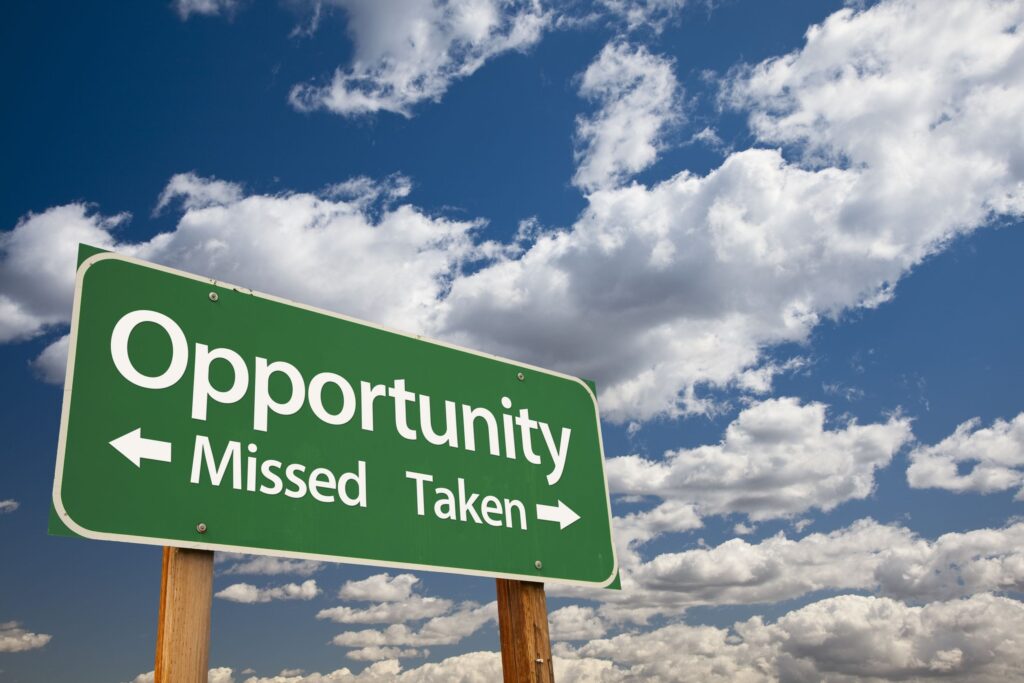
Why Holding Cash Too Long Can Backfire

When uncertainty rises—markets swinging, talk of war, inflation creeping up—people instinctively move toward one thing:


Cash.


It feels safe.


It feels controlled.


It feels like the smart move.


And in the short term, it often is.


But over time, what feels like protection can quietly turn into a wealth-killing strategy.


🌍 The Comfort of Cash in Uncertain Times


In volatile environments, holding cash gives you a sense of control.


You’re not exposed to market drops.


You’re not risking capital in a shaky economy.


You’re not making the “wrong move.”


It creates the illusion of safety.


But here’s the problem:


👉 Cash doesn’t grow—and in many cases, it slowly loses value.


📉 The Silent Erosion: Inflation


Inflation doesn’t show up like a market crash. It’s slower, quieter, and more dangerous.


Every year you hold cash:


Your purchasing power decreases


Costs of goods and services rise


Opportunities become more expensive to enter


You might feel like you’re “not losing,” but in reality:


You’re falling behind—just slowly enough not to notice.


💰 Opportunity Cost: The Hidden Loss


One of the biggest risks of holding cash too long isn’t what happens to your money…


It’s what doesn’t happen.


While you sit on the sidelines:


Markets recover


Investments grow


Businesses expand


Assets appreciate


And when you finally decide to move?


You’re often buying:


At higher prices


With more competition


With less upside potential


👉 The real loss isn’t in your account—it’s in the opportunities you missed.


🧠 Why People Stay in Cash Too Long


Holding cash isn’t the problem. Staying there too long is.


People delay action because:


They’re waiting for certainty


They want to “time the market” perfectly


They’re influenced by fear-driven headlines


They experienced past losses and don’t want to repeat them


But here’s the reality:


Certainty comes after opportunity—not before it.


⚙️ Cash Should Be a Tool, Not a Strategy


Smart investors don’t avoid cash—they use it strategically.


Cash is for:


Flexibility


Emergency reserves


Taking advantage of opportunities quickly


But it’s not meant to sit idle forever.


Because idle cash in a changing economy is like:


Having a tool and never using it while everyone else is building.


🏗️ Where Smart Money Moves Instead


In times of uncertainty, disciplined individuals don’t abandon cash—they deploy it with purpose.


They look for:


Undervalued assets during market dips


Cash-flowing businesses (especially essential services)


Opportunities created by fear and overreaction


They don’t wait for perfect conditions.


They move when conditions are imperfect but favorable.


📊 The Pattern That Repeats


Every cycle follows a similar pattern:


Uncertainty rises


People move to cash


Markets adjust and bottom out


Recovery begins quietly


Cash holders hesitate


Prices climb without them


By the time confidence returns, the best opportunities are already gone.


⚖️ The Balance: Smart, Not Reckless


This isn’t about dumping all your cash into the market or chasing risky moves.


It’s about:


Gradual investing


Strategic positioning


Staying active, not frozen


You don’t need to go “all in.”


But staying all out can be just as risky.


🚀 Final Thought: Cash Is Safety—But Only for a While


Cash protects you in the short term.


But over the long term, it can:


Limit growth


Reduce opportunity


Keep you stuck while others move forward


The goal isn’t to avoid cash.


It’s to avoid getting comfortable in it.


💡 Bottom Line


Holding cash feels safe—but holding it too long can quietly cost you everything.


Because while you’re protecting your downside…


👉 You’re also missing your upside.


And in the long run:


Wealth isn’t built by avoiding movement—it’s built by using your position wisely when others hesitate.


Also read: 

Leading While Learning: How to Guide Others Even When You Don’t Have It All Figured Out


Also read: 

When Eating Less Backfires: How Under-Fueling Quietly Slows Your Metabolism


Also read: 

When Skipping Meals Backfires: The Hidden Health Cost of Not Eating (Even When You’re “Fine”)

Read More

The Price of Waiting: How Playing It Safe Can Cost You Everything


When the world feels uncertain—markets swinging, headlines full of conflict, people predicting the worst—most individuals make what feels like the smartest move:


They step back.


They stop investing.


They delay starting that business.


They hold onto cash and tell themselves, “I’ll move when things are clearer.”


At first, it feels responsible. Even strategic.


But over time, something unexpected happens.


Nothing changes… except the opportunities disappear.


🌍 It Starts With Good Intentions


No one plans to fall behind.


Most people are just trying to avoid making a mistake. They don’t want to lose money, take unnecessary risks, or move at the wrong time.


So they wait.


And while they wait:


Prices begin to recover


Businesses adapt and grow


New opportunities get taken


By the time things feel “safe” again, the window they were waiting for is already closed.


📉 The Loss You Don’t See


When people think about risk, they think about losing money.


But there’s another type of loss that’s far more dangerous—because it’s invisible.


It’s the deal you didn’t take.


The investment you delayed.


The business you never started.


There’s no notification for it. No bank alert. No immediate pain.


But over time, it adds up in a powerful way.


👉 You didn’t lose money—you lost position.


💰 Meanwhile, Someone Else Is Moving


While most people are sitting on the sidelines, a smaller group is doing the opposite.


They’re not reckless—but they’re not frozen either.


They:


Start businesses when competition is low


Invest when prices are down


Learn and adapt faster than everyone else


They understand something simple:


Uncertainty doesn’t stop opportunity—it reduces competition for it.


And that changes the game completely.


🧠 Why Waiting Feels So Right (But Isn’t)


Waiting feels logical because it gives the illusion of control.


You tell yourself:


“I’ll wait for the market to stabilize”


“I’ll start when things calm down”


“I just need more information”


But here’s the problem:


Stability is always obvious—after it’s too late.


By the time everything feels clear:


Prices are higher


Opportunities are crowded


Margins are thinner


What felt like patience often turns into delay.


⚙️ Action Doesn’t Mean Risk—It Means Direction


This isn’t about jumping into random opportunities or taking big risks.


It’s about staying in motion.


Because when you move—even in small ways—you gain:


Experience


Awareness


Positioning


You start seeing opportunities others miss.


And most importantly, you build momentum.


🏗️ Where This Shows Up in Real Life


This plays out every day, especially in uncertain times.


Someone decides to wait before starting a service business—


Meanwhile, another person launches, builds a client base, and locks in repeat customers.


Someone holds off on investing—


Meanwhile, the market quietly recovers without them.


Someone delays learning a high-income skill—


Meanwhile, others become valuable and in demand.


Same environment. Different decisions. Completely different outcomes.


📊 The Pattern That Repeats


Every cycle looks different—but the pattern stays the same:


Fear rises


Most people pause


A few people act


Conditions improve


Those who acted benefit the most


It’s not about predicting the future.


It’s about understanding behavior.


⚖️ Playing It Smart vs. Playing It Safe


There’s a big difference between being careful and being inactive.


Playing it safe often means:


Avoiding decisions


Waiting for perfect timing


Letting fear guide actions


Playing it smart means:


Taking calculated steps


Managing risk while still moving


Making decisions with imperfect information


One leads to stagnation.


The other leads to growth.


🚀 Final Thought: Time Is Always Moving


You can pause your decisions—but you can’t pause time.


Markets will move.


Opportunities will shift.


Other people will act.


The only question is whether you’ll be part of that movement—or watching it happen.


💡 Bottom Line


Waiting feels safe—but it often comes at a hidden cost.


Not because you made a bad move…


But because you didn’t make one at all.


👉 In the long run, the biggest risk isn’t losing—it’s never stepping in the game.


Also read:

Leading While Learning: How to Guide Others Even When You Don’t Have It All Figured Out


Also read:

The Microdose Method: Why Tiny Daily Habits Outperform Big Life Overhauls


Also read:

Your Body Has a Different Age Than Your Birthday: Why Health Isn’t Measured in Years

Read More

Building Wealth When the World Feels Unstable


When headlines are filled with war, economic tension, inflation, and market swings, most people instinctively pull back.

They stop investing.

They delay business decisions.

They hold cash and wait for things to “settle down.”

But here’s the truth most people don’t realize:

Wealth is rarely built in stable times—it’s built in uncertain ones.

🌍 Uncertainty Is Where Opportunity Begins

Economic instability isn’t new. It’s part of a cycle that repeats itself throughout history.

During times of global tension or conflict:

Markets become volatile

Fear dominates decision-making

Prices disconnect from real value

Entire industries shift or expand

While the majority reacts emotionally, a small group of people step back and ask:

👉 “Where is the opportunity inside this chaos?”

That question alone changes everything.

📉 Volatility Isn’t Risk—It’s Misunderstood Leverage

Most people associate volatility with danger. In reality, volatility simply means movement—and movement creates opportunity.

When markets drop:

Strong companies can trade below their true value

Real estate opportunities increase

New industries accelerate faster than expected

This is where strategy beats emotion.

Instead of asking, “Is this a bad time?”

Successful individuals ask, “What is now undervalued?”

🧠 The Psychology Gap: Why Most People Miss Out

The biggest obstacle during unstable times isn’t the economy—it’s human behavior.

People tend to:

Follow the crowd

React to fear-driven news

Focus on short-term losses

Avoid action altogether

Meanwhile, disciplined investors and business owners:

Stick to long-term strategies

Look for discounted opportunities

Stay liquid but intentional

Move when others hesitate

This creates a powerful gap—and that gap is where wealth is built.

💰 Strategic Moves to Build Wealth During Uncertainty

You don’t need to predict the future. You need a framework.

1. Focus on Cash Flow First

In unstable times, cash flow is king.

Businesses that provide essential services tend to thrive, such as:

HVAC and repair services

Healthcare support

Logistics and delivery

Maintenance and home services

These industries don’t rely on hype—they rely on need.

2. Invest Consistently, Not Emotionally

Trying to time the market is a losing game for most people.

Instead, use strategies like:

Consistent investing (weekly or monthly)

Buying during dips

Holding long-term positions

Volatility becomes your advantage when you remove emotion from the process.

3. Position Yourself in Growing Sectors

Uncertain times often accelerate specific industries.

Areas that tend to grow during global tension:

Energy and infrastructure

Cybersecurity and defense

Automation and AI

Domestic manufacturing

The key is not chasing trends—but identifying where demand is increasing regardless of conditions.

4. Build Skills That Increase Your Value

Markets change—but value always wins.

Ask yourself:

Can I solve a problem people will always pay for?

Can I generate income regardless of the economy?

Skills in sales, operations, and technical trades often outperform theoretical knowledge during downturns.

5. Stay Liquid—but Not Idle

Cash gives you flexibility—but only if you use it wisely.

Holding cash without a plan leads to missed opportunities.

Holding cash with strategy allows you to move quickly when the right deal appears.

📊 Lessons From the Past

History makes one thing clear:

After major conflicts, economies rebuild—and expand

After downturns, markets recover—and reach new highs

After uncertainty, opportunity rewards those who stayed active

Some of the most successful businesses and investors didn’t wait for certainty.

They moved during confusion.

⚖️ Risk vs. Reward: Playing It Smart

This isn’t about reckless decisions or blind optimism.

It’s about:

Being calculated

Managing downside risk

Avoiding emotional reactions

Thinking long-term

Unstable environments don’t require more risk—they require better strategy.

🚀 Final Thought: Control What You Can

You can’t control wars.

You can’t control markets.

You can’t control global events.

But you can control:

Your preparation

Your strategy

Your actions

And in times when most people feel powerless, those who focus on what they can control often come out ahead.

💡 Bottom Line

Uncertainty doesn’t destroy opportunity—it reveals it.

While others wait for the “right time,”

those who act with clarity and discipline position themselves for the next wave of growth.

Because in the end:

👉 Wealth isn’t built when things feel safe. It’s built when others are too afraid to act.

Also read: 

Leading While Learning: How to Guide Others Even When You Don’t Have It All Figured Out

  • Also read: 

Trust and Transparency in Modern Leadership

Also read: 

Breathe to Feel Better: How CO₂ Tolerance Shapes Calm, Focus, and Everyday Stress

Read More

Building Smart in Uncertain Times: Finding Business Opportunities Without Taking Big Risks


When the world feels unstable—especially during times of war—most people either freeze or rush into decisions. The smartest operators do neither. They slow down, assess, and move with precision.


War reshapes economies—but it also rewards those who understand financial positioning, not just business ideas. Opportunity isn’t just about what you build… it’s also about how you manage your money while everything shifts.


Why Financial Strategy Matters More Than Ever


During conflict, volatility increases across:


Markets


Interest rates


Currency values


Consumer behavior


This creates both risk and opportunity in financial markets, especially stocks.


Historically, during World War II, the U.S. economy experienced massive volatility early on—but then transitioned into strong growth. Investors who stayed disciplined and continued investing in broad markets benefited long-term.


Research from National Bureau of Economic Research shows that despite short-term uncertainty during wartime, diversified equity markets tend to recover and grow over time due to industrial expansion and innovation.


Translation: Panic hurts. Positioning wins.


Understanding Stocks During Uncertain Times


Take a look at the broader market through something like the SPDR S&P 500 ETF Trust (shown above).


This type of index tracks major U.S. companies across sectors. What you’ll notice historically:


Short-term dips during uncertainty


Strong recoveries tied to economic adaptation


Long-term upward trends driven by productivity and innovation


What this means for you:


Stocks may feel risky in the moment


But avoiding them completely can cost you long-term growth


Smart Financial Moves Right Now


1. Build a Strong Cash Position First


Before investing aggressively:


Have 3–6 months of expenses saved


Keep liquidity for opportunities


Cash = flexibility in uncertain times.


2. Don’t Try to Time the Market Perfectly


Most people lose money trying to guess:


“Is this the bottom?”


Instead:


Invest consistently (weekly or monthly)


Focus on long-term exposure


This strategy is often called dollar-cost averaging—and it reduces risk over time.


3. Focus on Strong, Essential Sectors


During instability, certain industries tend to hold better:


Energy


Defense


Healthcare


Infrastructure


These sectors often benefit directly or indirectly from wartime spending.


4. Diversify—Don’t Bet Everything on One Play


Avoid:


Going all-in on one stock


Chasing hype stocks or trends


Instead:


Mix index funds (like S&P 500)


Add some defensive stocks


Keep some cash


Diversification is protection.


5. Think in Time Horizons


Ask yourself:


Short-term (0–1 year): Can I handle volatility?


Mid-term (1–5 years): Will this industry still matter?


Long-term (5+ years): Is this tied to economic growth?


The longer your timeline, the less short-term chaos matters.


Connecting Business and Investing


Here’s where most people miss the bigger picture:


You don’t just build a business—you build a financial ecosystem.


During uncertain times:


Your business generates income


Your investments grow wealth


Your cash protects you


Each plays a role.


For example:


Run a stable service business (HVAC, logistics, etc.)


Use profits to invest consistently into markets


Keep reserves for downturns or new opportunities


That’s how you compound advantage.


The Biggest Mistake: Sitting Still or Going All-In


People tend to go to extremes:


“Everything is risky, I’ll do nothing”


“This is my chance, I’ll risk everything”


Both are dangerous.


The better approach:


Move steadily. Stay balanced.


Final Thought


War creates uncertainty—but also resets the playing field.


Opportunities exist in:


Business


Investments


Positioning


But they reward discipline, not emotion.


If you stay liquid, invest consistently, and build around real needs, you don’t just survive uncertain times—you come out stronger.


Because in environments like this, wealth isn’t built by reacting fast—it’s built by thinking clearly and acting consistently.


Also read:

Leading While Learning: How to Guide Others Even When You Don’t Have It All Figured Out


Also read:

The 80/20 Health Rule: Why Consistency Beats Perfection Every Time


Also read:

Venture Secondaries: The Smart Investor’s Shortcut to Pre-IPO Liquidity

Read More

When Your Brain Is Busy but Not Better: The Line Between Growth and Overload


We often hear that keeping your brain active is one of the best ways to support long-term health.


Read more. Learn more. Do more.


And it’s true — mental stimulation is essential for cognitive health, focus, and even longevity.


But there’s a line most people don’t realize they’ve crossed:


The point where stimulation stops helping… and starts overwhelming.


Because staying mentally engaged and being mentally overloaded are not the same thing.


What Healthy Mental Stimulation Looks Like


Mental stimulation is what challenges the brain in a productive way.


It’s:


Learning a new skill


Solving problems


Engaging in meaningful conversations


Reading or creating


Thinking deeply about something


This kind of engagement strengthens neural connections and supports neuroplasticity — the brain’s ability to adapt and grow.


It’s not about doing more.


It’s about doing things that require presence and effort.


When done right, mental stimulation feels:


Focused


Rewarding


Energizing (even if slightly challenging)


What Mental Overload Feels Like


Mental overload, on the other hand, is constant input without processing.


It looks like:


Jumping between apps, messages, and tasks


Endless scrolling


Multitasking without finishing anything


Consuming more information than you can absorb


Instead of strengthening the brain, this creates cognitive fatigue.


And the symptoms are subtle at first:


Brain fog


Difficulty focusing


Irritability


Reduced memory


Feeling mentally “tired” without doing anything meaningful


It’s not a lack of discipline.


It’s an overwhelmed system.


Why the Brain Reacts This Way


The brain isn’t designed for nonstop stimulation.


It needs cycles:


Engagement


Processing


Recovery


Without those cycles, even useful input becomes stress.


Constant stimulation keeps the nervous system activated, increasing cortisol and reducing the brain’s ability to consolidate information.


Over time, this affects:


Learning


Decision-making


Emotional regulation


You’re taking in more — but retaining less.


What Research Shows


A study published in Nature Communications found that excessive task switching and constant digital stimulation reduce attention span and impair working memory performance, even in individuals who regularly engage with technology.


In contrast, focused, single-task engagement was associated with better cognitive performance and information retention.


This highlights a key difference:


It’s not stimulation itself that creates problems —


it’s fragmented, nonstop stimulation without recovery.


Why This Matters for Longevity


Cognitive health isn’t just about avoiding decline later in life.


It’s about how your brain functions daily:


Your ability to focus


Your emotional stability


Your clarity of thought


Your decision-making


Mental overload doesn’t just affect productivity — it contributes to long-term stress, which is already linked to accelerated aging.


In fast-paced environments — whether you’re working long hours, managing constant communication, or navigating busy routines in places like Jacksonville or across the Middle District of Florida — this kind of overload becomes normal.


But normal doesn’t mean optimal.


How to Shift Back to Healthy Stimulation


The goal isn’t to eliminate stimulation.


It’s to be more intentional with it.


That can look like:


Focusing on one task at a time


Taking breaks between periods of deep work


Limiting passive content consumption


Prioritizing activities that require thinking, not just reacting


Creating small windows of mental quiet during the day


These changes don’t reduce productivity — they improve it.


They give your brain space to actually use what it’s taking in.


The Bigger Picture


More information doesn’t automatically mean more growth.


More input doesn’t guarantee better thinking.


The brain thrives on challenge, not chaos.


No need for harsh self-judgment.


No mental indictment for being distracted in a world designed to pull your attention in every direction.


But awareness matters.


Because the difference between a sharper mind and a burned-out one often comes down to this:


Not how much you’re doing —


but how well your brain is able to process it.


Also read:

When Sugar Isn’t the Real Problem: What Cravings Are Actually Telling You


Also read:

Stable Blood Sugar: The Overlooked Foundation of Deep, Restorative Sleep


Also read: 

When Eating Less Backfires: How Under-Fueling Quietly Slows Your Metabolism

Read More

Reactive Hypoglycemia and Energy Crashes

There’s a specific kind of energy crash that feels different.


It’s not just being tired.


It’s sudden. Sharp. Almost uncomfortable.


You go from feeling fine — maybe even energized — to shaky, foggy, irritable, or oddly anxious. Sometimes it hits a couple hours after eating. Sometimes sooner.


Most people assume it’s stress, lack of sleep, or just a long day.


But often, it’s something more specific:


Reactive hypoglycemia.


What Reactive Hypoglycemia Actually Is


Reactive hypoglycemia happens when blood sugar rises quickly after a meal — and then drops too fast.


The sequence looks like this:


You eat (often higher in refined carbs or sugar)


Blood sugar spikes


The body releases insulin to lower it


Blood sugar drops rapidly — sometimes too low


That drop is what creates the crash.


And the symptoms aren’t subtle:


Sudden fatigue


Brain fog


Irritability or mood swings


Anxiety-like feelings


Sugar cravings


Weakness or shakiness


It can feel intense — almost like your system is overreacting.


Because it is.


Why It Feels Like Stress (Even When It’s Not)


When blood sugar drops too quickly, the body treats it as a threat.


To compensate, it releases stress hormones like cortisol and adrenaline to bring glucose back up. That response is protective — but it doesn’t feel calm.


It feels like:


Nervous energy


Restlessness


Racing thoughts


Sudden urgency to eat


This is why reactive hypoglycemia is often mistaken for anxiety.


No formal indictment of your habits.


No obvious trigger.


Just a physiological response happening beneath the surface.


The Link to Energy Crashes


Energy crashes are rarely random.


They’re often tied to how stable your blood sugar is throughout the day.


When meals lack balance — especially when they’re:


High in refined carbs


Low in protein or fat


Eaten after long gaps (like skipping meals)


…the spike-and-crash cycle becomes more likely.


Over time, this pattern can repeat daily:


Morning spike → mid-morning crash


Lunch spike → afternoon slump


Evening cravings → late-night fatigue


It starts to feel like inconsistent energy — but it’s actually a consistent pattern.


What Research Shows


A study published in the Journal of Clinical Endocrinology & Metabolism found that individuals who experienced rapid post-meal blood sugar declines were more likely to report increased hunger, fatigue, and cravings within hours after eating, even when total calorie intake was adequate.


This highlights something important:


The issue isn’t always how much you eat —


it’s how your body responds to what you eat.


Large spikes followed by steep drops create instability, and the body reacts accordingly.


Why Modern Eating Habits Make It Worse


In real life — whether you’re working long days in Jacksonville or managing unpredictable schedules across the Middle District of Florida — eating patterns tend to become inconsistent.


Common habits include:


Skipping meals


Drinking coffee instead of eating


Eating quick, carb-heavy meals


Long gaps followed by large portions


These patterns don’t cause immediate problems. But over time, they increase the likelihood of reactive hypoglycemia.


It’s not about discipline.


It’s about rhythm.


What Helps Stabilize Blood Sugar


The goal isn’t to eliminate carbs or follow extreme diets.


It’s to create balance and consistency.


Helpful strategies include:


Eating regular meals instead of skipping


Pairing carbohydrates with protein and healthy fats


Avoiding long fasting gaps (unless structured intentionally)


Choosing more whole, minimally processed foods


Paying attention to how meals actually make you feel


These habits slow down glucose absorption and reduce sharp spikes and crashes.


The Bigger Picture


Reactive hypoglycemia isn’t always diagnosed — but many people experience it without realizing what’s happening.


It shows up as:


Unpredictable energy


Sudden mood shifts


Strong cravings


Feeling “off” a few hours after eating


No dramatic warning signs.


No clear sentencing of what’s wrong.


Just signals.


When blood sugar becomes more stable, those signals often quiet down. Energy becomes more consistent. Focus improves. And the day feels less like a series of highs and lows.


Sometimes the fix isn’t more caffeine or more willpower.


It’s understanding how your body handles fuel — and giving it the consistency it’s been asking for.


Also read :

Stable Blood Sugar: The Overlooked Foundation of Deep, Restorative Sleep


Also read:


When Sugar Isn’t the Real Problem: What Cravings Are Actually Telling You


Also read:

When Eating Less Backfires: How Under-Fueling Quietly Slows Your Metabolism

Read More

When “Great Culture” Isn’t So Great: The Signs Leaders Miss

Ask almost any company about its culture, and you’ll hear the same thing:


“We have a strong culture.”


On the surface, it often looks true.


People get along. Meetings run smoothly. There’s energy, collaboration, even pride.


But here’s the uncomfortable reality:


what looks like a strong culture can sometimes be a fragile one.


And the difference usually isn’t obvious—until performance drops, trust erodes, or key people quietly start leaving.


The Illusion of Harmony


A culture can feel strong simply because there’s no visible conflict.


No arguments.


No pushback.


No tension.


But that’s not always a good sign.


In many cases, it means people are holding back. They’re avoiding difficult conversations, choosing comfort over clarity. On the surface, everything looks aligned—but underneath, issues go unspoken.


Eventually, those unspoken issues build pressure. And when they finally surface, they can feel bigger than they should—almost like a delayed internal indictment of problems that were ignored too long.


When “Positive” Culture Becomes Passive


Positivity is valuable. But forced positivity? That’s where problems begin.


In some teams:


Feedback is softened too much


Concerns are framed as “not a big deal”


Underperformance is tolerated to avoid discomfort


It creates an environment where everything seems fine, but nothing improves.


Over time, accountability weakens. Standards slip. And what once felt like a supportive culture begins to feel unclear—like no one is quite sure where the line is anymore.


The Silence Around Performance


In truly strong cultures, performance is talked about openly and constructively.


In weak ones, it’s avoided.


Leaders may hesitate to address issues directly. Teammates might notice problems but choose not to speak up. Conversations that should happen early get delayed.


By the time action is taken, the situation feels escalated—like it’s already reached a level of seriousness that resembles a formal middle district review of everything that went wrong.


But the reality is simpler:


feedback came too late.


Over-Reliance on “Good People”


Some companies rely heavily on the idea that they have “great people.”


And they might.


But even great people need:


Clear expectations


Consistent accountability


Honest communication


Without these, even strong teams drift.


Good intentions can’t replace structure. And when structure is missing, culture becomes inconsistent—depending more on personalities than principles.


Energy Without Direction


Another common sign of a fragile culture is high energy with low alignment.


Teams are busy.


Work is happening.


Communication is constant.


But results don’t match the effort.


This happens when:


Priorities aren’t clear


Leadership sends mixed signals


Teams operate in silos


It creates movement without progress—a subtle but costly form of friction.


Leadership Signals Shape Everything


Culture isn’t what’s written in a company handbook.


It’s what leaders consistently tolerate and reinforce.


If leaders avoid hard conversations, the team learns to avoid them.


If leaders delay decisions, the team slows down.


If leaders prioritize comfort over clarity, standards fade.


Sometimes leaders only recognize these patterns when outcomes start to decline—when the business feels like it’s being quietly evaluated, almost as if facing a long-term sentence for habits that built up over time.


What Strong Culture Actually Looks Like


Real culture strength isn’t about constant positivity or surface-level harmony.


It’s built on:


✔ Honest, timely feedback


✔ Clear expectations and accountability


✔ Psychological safety and performance standards


✔ Alignment between words and actions


✔ Leaders who address issues early


Strong cultures are not always the most comfortable—but they are the most consistent and clear.


How to Spot the Difference Early


If you want to know whether your culture is truly strong, ask:


Do people speak up when something feels off?


Are performance conversations happening early or late?


Is accountability consistent across the team?


Are results matching effort?


If the answer to these questions is unclear, your culture might not be as strong as it seems.


Final Thought


Weak cultures don’t usually look broken.


They look fine—until they’re not.


They operate just well enough to avoid attention, but not well enough to sustain growth.


The goal isn’t to create a culture that avoids tension.


It’s to create one that handles tension well.


Because in business, strength isn’t defined by how things look when everything is easy—


it’s defined by how clearly and consistently people respond when things get hard.


Also read :

Leading While Learning: How to Guide Others Even When You Don’t Have It All Figured Out


Also read:

Leading Close, Not Cold: How to Hold Authority Without Losing Your Humanity


Also read:

The 80/20 Health Rule: Why Consistency Beats Perfection Every Time

Read More

When More Protein Isn’t Better: The Hidden Stress Behind the Obsession

Protein has earned its reputation.


It supports muscle.


Stabilizes blood sugar.


Improves satiety.


But somewhere along the way, helpful guidance turned into fixation. For many people, protein is no longer part of a balanced approach — it’s the center of every decision.


More grams.


More shakes.


More tracking.


And quietly, something starts to feel off.


Energy dips. Sleep feels lighter. Digestion changes. Cravings show up in unexpected ways.


Not because protein is bad — but because imbalance creates stress.


When Optimization Turns Into Pressure


Focusing on protein often begins with good intentions:


Build muscle


Improve metabolism


Stay full longer


Reduce overeating


But when intake becomes excessive or overly rigid, the body doesn’t interpret it as optimization.


It interprets it as imbalance.


Meals become skewed. Carbohydrates drop too low. Eating patterns become restrictive. And what started as structure slowly becomes pressure.


There’s no official indictment — but the system starts responding as if something is off.


The Stress Response No One Talks About


The body doesn’t just respond to what you eat. It responds to what’s missing.


When protein intake is high but carbohydrates are too low — especially under stress — the body compensates by:


Increasing cortisol


Elevating gluconeogenesis (creating glucose from protein)


Raising energy demands internally


Reducing efficiency in recovery


This process isn’t harmful short-term. But over time, it can feel like:


Feeling “wired but tired”


Poor sleep quality


Increased anxiety


Reduced workout performance


Persistent fatigue despite eating “healthy”


The body isn’t failing.


It’s adapting to a skewed signal.


Why Balance Matters More Than Quantity


Protein doesn’t work in isolation.


It relies on:


Carbohydrates for nervous system support


Fats for hormone production


Micronutrients for absorption and utilization


Without balance, even high-quality nutrition can create friction.


This is where many people get stuck: They’re eating enough — but not in a way the body can fully use.


Instead of nourishment, it feels like effort.


What Research Suggests


Research published in The Journal of Clinical Investigation has shown that chronically elevated cortisol levels can increase protein breakdown and impair muscle recovery, especially when energy intake and carbohydrate availability are insufficient.


In other words: More protein doesn’t automatically mean better results — especially when the body is under stress.


Without proper balance, the system shifts from building to conserving.


Real Life Doesn’t Support Extremes


In real life — whether you’re managing long workdays in Jacksonville or navigating daily demands anywhere in the Middle District of Florida — extreme nutrition strategies are hard to sustain.


High-protein diets often come with:


Skipped meals


Low carbohydrate intake


Over-reliance on supplements


Eating patterns that don’t match real schedules


Individually, these habits seem manageable. Together, they can quietly disrupt metabolism and increase internal stress.


No dramatic breakdown.


Just gradual imbalance.


What a More Balanced Approach Looks Like


Protein is still important — just not in isolation.


A balanced approach often includes:


Adequate (not excessive) protein


Consistent carbohydrate intake


Healthy fats for hormonal support


Regular meal timing


Flexibility instead of rigid tracking


This combination supports blood sugar stability, reduces cortisol spikes, and improves recovery.


The body responds differently when it feels supported instead of managed.


The Bigger Picture


Protein isn’t the problem.


Obsession is.


When any single nutrient becomes the focus, the bigger picture gets lost. The body doesn’t need extremes — it needs consistency, balance, and enough overall nourishment to function well.


No macronutrient deserves permanent indictment.


No eating pattern needs harsh internal sentencing.


Health improves when food stops feeling like a performance — and starts working as support.


Sometimes the goal isn’t to eat more protein.


It’s to create an environment where your body doesn’t feel like it has to fight to use it.


Also read: 

Stable Blood Sugar: The Overlooked Foundation of Deep, Restorative Sleep


Also read: 

When Sugar Isn’t the Real Problem: What Cravings Are Actually Telling You

Read More

Why Stable Blood Sugar Is the Real Secret Behind Consistent Energy


Most people blame fatigue on busy schedules, poor sleep, or simply getting older. But one of the most overlooked drivers of daily energy isn’t sleep or motivation — it’s blood sugar stability.


Energy levels aren’t just about how much you eat. They’re about how your body processes and regulates glucose throughout the day.


When blood sugar stays stable, energy tends to feel steady and predictable. When it swings up and down, the result is a cycle many people know well: bursts of productivity followed by sudden crashes.


This pattern doesn’t happen randomly. It’s usually a metabolic signal.


What Blood Sugar Stability Actually Means


Blood sugar stability refers to the body’s ability to keep glucose levels within a healthy range after meals and between meals.


When the system works well:


Energy stays consistent


Hunger signals feel predictable


Mood remains stable


Focus improves


When blood sugar spikes quickly and then drops, the body reacts by releasing stress hormones like cortisol and adrenaline. These hormones are designed to bring glucose back into balance, but they can also create feelings of irritability, fatigue, or brain fog.


That’s why many people experience:


The mid-afternoon energy crash


Sudden sugar cravings


Feeling shaky or anxious when meals are delayed


Trouble concentrating late in the day


These are often signs that blood sugar regulation is under strain.


Why Modern Eating Patterns Disrupt Energy


Inconsistent eating habits can make blood sugar harder to regulate. Common patterns that contribute include:


Skipping meals


Eating mostly refined carbohydrates


Drinking coffee instead of eating breakfast


Long gaps between meals followed by large portions


These habits may feel normal, especially in busy environments like those many people navigate daily in places like Jacksonville or throughout the Middle District of Florida. But biologically, the body prefers rhythm.


Without consistency, the system begins compensating. Over time, metabolism adapts, and energy levels become less reliable.


It’s not a lack of discipline.


It’s the body responding to unpredictable fuel.


What Research Shows About Blood Sugar and Energy


Scientific research increasingly highlights the importance of glucose regulation for daily functioning.


A study published in the journal Nutrients found that individuals who experienced larger post-meal blood sugar spikes reported greater fatigue and reduced cognitive performance later in the day compared to individuals whose blood sugar remained more stable after meals.


Another study in The American Journal of Clinical Nutrition showed that meals containing balanced combinations of protein, fiber, and healthy fats helped slow glucose absorption, leading to improved satiety and more sustained energy levels.


In both cases, the key factor wasn’t simply calorie intake — it was how balanced meals influenced blood sugar regulation.


Why Blood Sugar Affects Mood and Focus


The brain relies heavily on glucose as a fuel source. When levels fluctuate dramatically, mental performance often fluctuates as well.


Rapid blood sugar drops can trigger the release of stress hormones that make the body feel alert but unstable. This can show up as:


Irritability


Anxiety-like sensations


Difficulty focusing


Strong cravings for quick carbohydrates


Some people interpret these signals as emotional stress or lack of willpower, but the cause may be metabolic.


No indictment of character is necessary — the body is simply trying to restore balance.


Habits That Support Blood Sugar Stability


Supporting stable blood sugar doesn’t require extreme diets or strict rules. Most improvements come from consistent, practical habits such as:


Eating regular meals rather than skipping them


Including protein, fiber, and healthy fats in meals


Avoiding long gaps between meals


Prioritizing whole foods over highly refined carbohydrates


Getting consistent sleep and managing stress


These habits help reduce large glucose swings and allow metabolism to operate more smoothly.


The Bigger Picture


Energy is one of the clearest signals of metabolic health. When blood sugar remains stable, the body spends less time reacting to spikes and crashes and more time supporting normal physiological functions.


That stability improves not only daily productivity but also long-term health markers tied to metabolism, hormones, and cardiovascular health.


No single meal deserves harsh sentencing.


No food group needs a permanent indictment.


But patterns matter.


When meals become more balanced and consistent, the body often responds with something many people are searching for: steady energy that lasts throughout the day without constant crashes or cravings.


Also read:

When Sugar Isn’t the Real Problem: What Cravings Are Actually Telling You


Also read:

Why Carbs Keep Getting Blamed (When Context Is the Real Issue)

Read More

When Good Business Plans Fall Apart in the Real World


Every business leader has experienced it at least once.


You build a strategy that looks perfect on paper. The numbers make sense. The research checks out. Advisors agree. The timeline feels realistic.


Yet months later, the plan stalls—or fails entirely.


It’s easy to assume the strategy itself was flawed. But often, the real reason smart strategies collapse isn’t because the idea was wrong. It’s because real life is more complex than any plan can predict.


Understanding why this happens can help leaders avoid repeating the same cycle.


The Gap Between Theory and Reality


In boardrooms and planning sessions, strategies are built using assumptions. Those assumptions are based on market data, forecasts, and experience.


But once a strategy enters the real world, it meets variables no spreadsheet can fully capture:


Human behavior


Unexpected competition


Operational friction


Changing economic conditions


Even a well-designed strategy can feel like it’s being placed under intense scrutiny—almost like a proposal being quietly indicted by reality itself.


The plan wasn’t irrational. It simply didn’t account for everything.


Execution Is Harder Than Strategy


Many leaders focus heavily on strategy design but underestimate the difficulty of execution.


Execution requires:


Consistent communication


Clear ownership of tasks


Accountability at every level


Alignment across teams


Without these, even the smartest strategy can stall. Small delays multiply, confusion spreads, and momentum fades.


It’s not uncommon for leadership teams to look back and realize that the plan itself wasn’t the issue. The issue was that the organization wasn’t structured to carry it out effectively.


The Human Factor


Businesses aren’t machines—they’re networks of people. And people interpret strategy differently.


Some employees embrace change quickly. Others resist it quietly. Some misunderstand the goals entirely.


When these dynamics aren’t managed carefully, strategies begin to fracture. Departments start moving in different directions. Priorities become blurred.


Before long, leadership feels as if the strategy is being judged from every angle—almost like facing a boardroom-level sentence on whether the initiative deserves to continue.


But what’s actually happening is simpler: alignment was never fully achieved.


Speed of Change in the Real World


Markets move faster than most plans anticipate.


A strategy developed six months ago might already be outdated by the time implementation begins. New technologies emerge, competitors adapt, or consumer behavior shifts unexpectedly.


Companies that treat strategy as a rigid blueprint often struggle in these conditions.


The most resilient leaders treat strategy more like a living system—something that evolves as new information appears.


In fast-moving markets, adaptability matters more than perfection.


Overconfidence Can Quietly Sabotage Good Ideas


Another reason strong strategies fail is simple overconfidence.


When leaders become emotionally invested in an idea, they may overlook warning signs:


Early feedback from customers


Concerns from employees


Market signals suggesting adjustment is needed


Instead of adapting, they double down.


In extreme cases, leaders continue defending a failing approach long after evidence suggests change is necessary. It can feel like defending a case in front of an internal middle district of skeptical stakeholders.


Confidence is essential in leadership—but so is humility.


Complexity Often Grows Faster Than the Plan


Many strategies begin simple and become complicated during implementation.


New approvals are added. Additional reporting appears. Teams introduce extra processes to protect themselves from risk.


Gradually, the strategy becomes harder to execute than originally intended.


What began as a clear plan turns into something bureaucratic and slow. By the time leadership recognizes the problem, the initiative has lost energy.


The Leaders Who Avoid This Trap


The most effective leaders approach strategy differently.


They understand that plans are starting points, not guarantees.


These leaders:


Build flexibility into their plans


Encourage feedback early


Simplify execution wherever possible


Adjust quickly when evidence changes


Rather than defending strategies as if they’re permanent verdicts, they treat them as experiments that improve over time.


Final Thought


Smart strategies don’t always fail because they were bad ideas.


More often, they fail because real life introduces variables no plan can fully control—people, timing, communication, and execution.


Leadership isn’t about creating perfect strategies. It’s about recognizing when reality is telling you something important and having the discipline to adjust.


The leaders who succeed aren’t the ones whose plans never face scrutiny. They’re the ones who adapt before the situation feels like a final business sentencing on whether the idea can survive.


Strategy, after all, isn’t static. It’s a conversation between planning and reality—and the best leaders know how to listen.


Also read: 

Leading Close, Not Cold: How to Hold Authority Without Losing Your Humanity


Also read: 

The 80/20 Health Rule: Why Consistency Beats Perfection Every Time

Read More