Strength Isn’t About Looking Better—It’s About Living Better
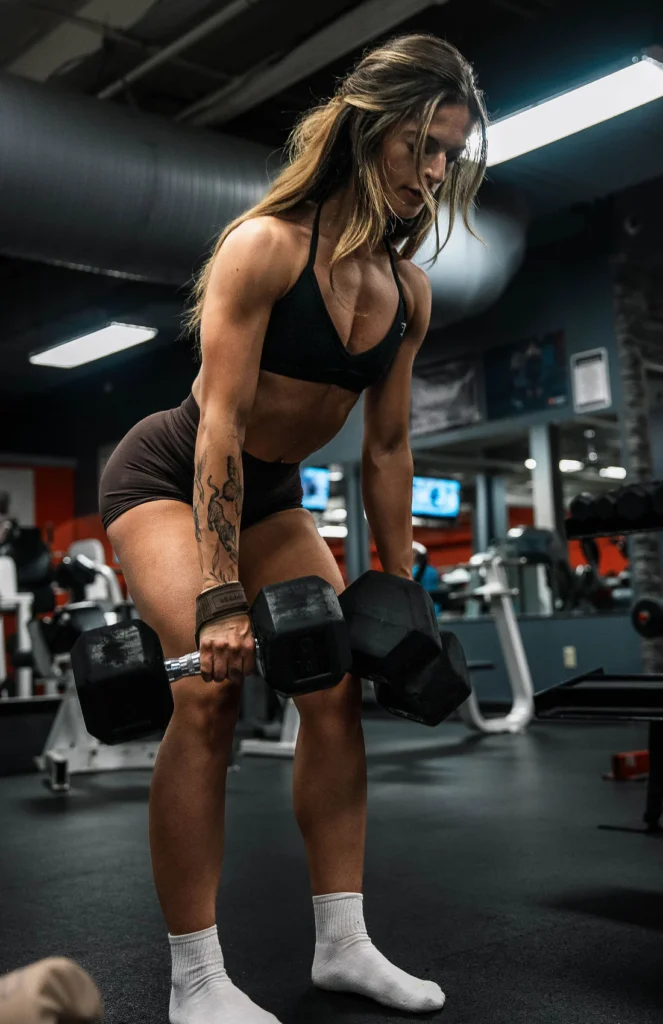
When people hear the word strength, they often picture heavy weights, bodybuilders, or elite athletes.
But real strength has very little to do with appearances.
It’s about building a body that allows you to live the life you want—not just today, but twenty or thirty years from now.
Strength means carrying your luggage without pain.
Playing with your children or grandchildren without getting exhausted.
Recovering quickly after a long week.
Getting up off the floor with confidence.
Remaining independent as you age.
In many ways, strength isn’t simply fitness.
It’s freedom.
We Train for Events That Haven’t Happened Yet
One of the biggest misconceptions about exercise is that its rewards are immediate.
People often expect to see dramatic physical changes within weeks.
But the greatest return from building strength usually comes years later.
Every workout is preparation for future challenges you can’t yet predict.
An unexpected illness.
A demanding move to a new home.
Helping a family member.
Recovering from surgery.
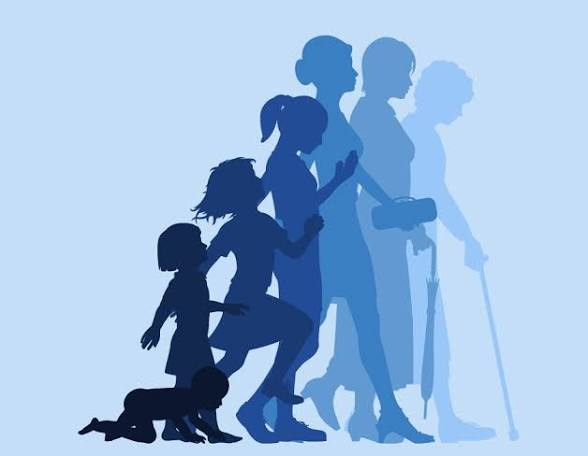
Growing older without losing independence.
Just as people save money hoping they’ll never need it, strength works much the same way.
You’re investing in a future version of yourself.
Muscle Is Your Body’s Safety Net
Strength training does much more than increase muscle size.
Healthy muscle helps regulate:
- Blood sugar
- Metabolism
- Bone density
- Joint stability
- Balance
- Posture
- Everyday mobility
As adults age, muscle naturally declines unless it’s challenged regularly.
This process, known as sarcopenia, is one of the biggest contributors to falls, fractures, loss of independence, and reduced quality of life.
The encouraging news is that it’s highly preventable.
Your body continues responding to resistance training well into older age.
It’s never too late to become stronger.
Strength Builds More Than Muscle
Something interesting happens when people begin exercising consistently.
The physical changes are obvious.
But the mental changes are often even greater.
Confidence grows.
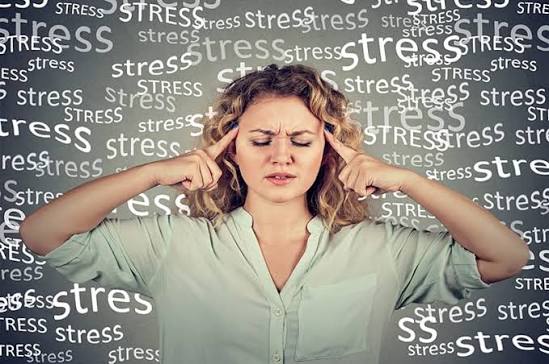
Stress becomes easier to manage.
Energy becomes more stable.
Sleep improves.
Small victories inside the gym often create larger victories outside of it.
The discipline required to complete one workout often carries into relationships, business, parenting, and everyday decision-making.
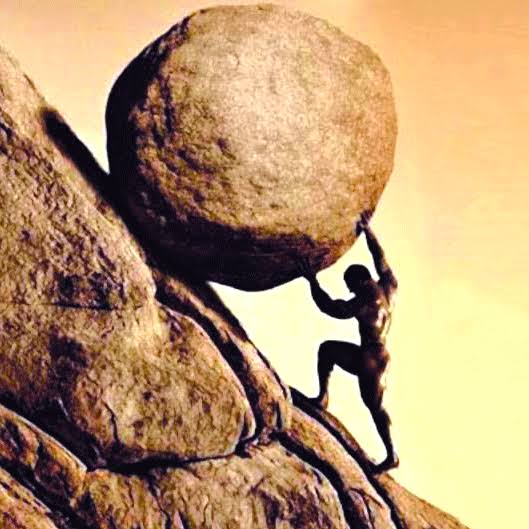
The strongest people are rarely those who never struggle.
They’re the ones who continue showing up despite challenges.
A Simple Example
Imagine two friends who are both 45 years old.
Neither has serious health problems.
The first decides that being “too busy” means exercise can wait until later.
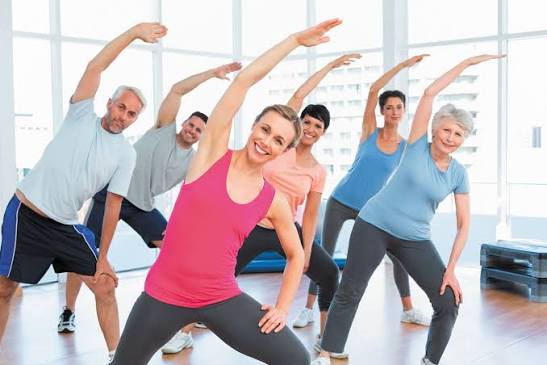
The second commits to three strength-training sessions each week and starts taking daily walks.
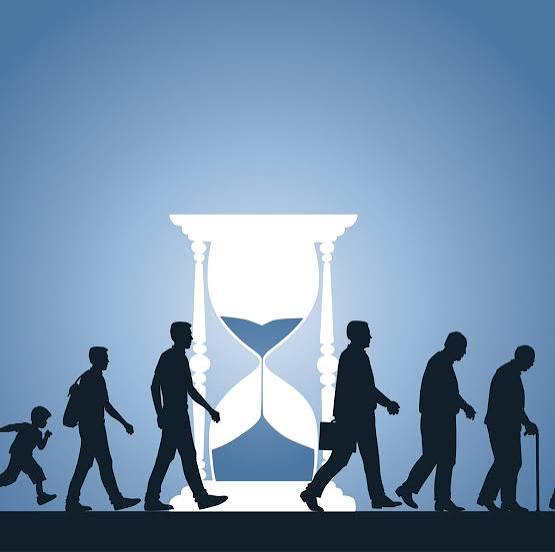
Twenty years pass.
At 65, the differences become noticeable.
The first friend struggles with stairs, avoids lifting heavy objects, and begins relying on others for tasks that once felt easy.
The second still hikes, travels, lifts luggage into an overhead compartment, and enjoys playing with grandchildren without worrying about sore joints or constant fatigue.
Neither outcome happened overnight.
Both were built one decision at a time.
The future is often shaped by habits that seem insignificant in the present.
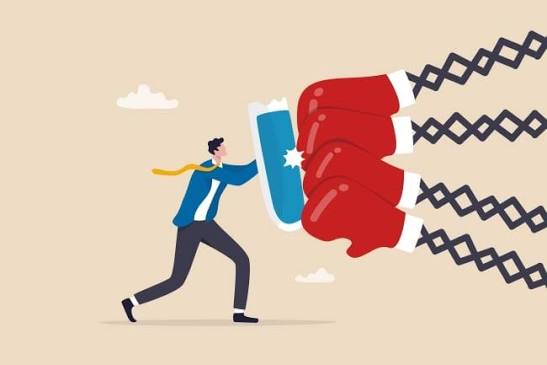
Strength Is About Resilience
Life doesn’t ask for permission before presenting challenges.
Stress arrives.
Unexpected setbacks happen.
Schedules become overwhelming.
Health issues occasionally appear.
A stronger body is often a more resilient body.
Regular resistance training has been associated with:
- Better metabolic health
- Improved insulin sensitivity
- Greater bone density
- Enhanced mobility
- Lower risk of injury
- Improved mental well-being
Strength provides a reserve capacity.
Instead of operating at your limit every day, you build extra capability for when life becomes difficult.
Health Is Built Before You Need It
One lesson repeated throughout science is that prevention almost always outperforms treatment.
We don’t wear seat belts because we expect an accident.
We wear them because they improve the odds if one happens.
Strength works the same way.
Every squat strengthens your legs for future mobility.
Every push-up helps preserve upper-body function.
Every walk supports your heart.
Every workout is another layer of protection for the decades ahead.
The Bigger Picture
Many people chase fitness for appearance.
There’s nothing wrong with wanting to look better.
But appearance fades as motivation.
Purpose lasts much longer.
Train because you want to stay active at 70.
Train because you want to travel without limitations.
Train because you want the energy to build a business, spend time with family, and enjoy experiences—not simply recover from them.
Train because independence is one of life’s greatest freedoms.
If you’ve followed my work here on OmarSolari.com, you’ve probably noticed a common theme.
Whether we’re discussing metabolism, longevity, recovery, nutrition, or mental resilience, the message remains the same:
Health isn’t created by one perfect decision.
It’s built through thousands of ordinary choices repeated consistently.
Strength is one of those choices.
It isn’t reserved for athletes.
It isn’t about chasing perfection.
It’s about creating a body that supports the life you want to live—not just now, but for decades to come.
Because the strongest investment you’ll ever make isn’t necessarily in your career or your finances.
It’s in the body that’s going to carry you through every chapter of your life.
Also read:
Exercise Is an Investment in Your Future Self
Also read:
The Best Opportunities Usually Arrive Disguised as Problems
Also read: