Why Holding Cash Too Long Can Backfire

When uncertainty rises—markets swinging, talk of war, inflation creeping up—people instinctively move toward one thing:


Cash.


It feels safe.


It feels controlled.


It feels like the smart move.


And in the short term, it often is.


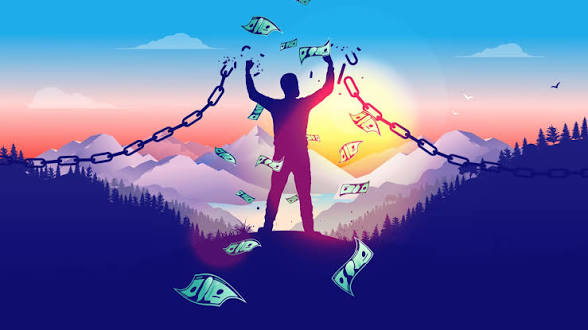
But over time, what feels like protection can quietly turn into a wealth-killing strategy.


🌍 The Comfort of Cash in Uncertain Times


In volatile environments, holding cash gives you a sense of control.


You’re not exposed to market drops.


You’re not risking capital in a shaky economy.


You’re not making the “wrong move.”


It creates the illusion of safety.


But here’s the problem:


👉 Cash doesn’t grow—and in many cases, it slowly loses value.


📉 The Silent Erosion: Inflation


Inflation doesn’t show up like a market crash. It’s slower, quieter, and more dangerous.


Every year you hold cash:


Your purchasing power decreases


Costs of goods and services rise


Opportunities become more expensive to enter


You might feel like you’re “not losing,” but in reality:


You’re falling behind—just slowly enough not to notice.


💰 Opportunity Cost: The Hidden Loss


One of the biggest risks of holding cash too long isn’t what happens to your money…


It’s what doesn’t happen.


While you sit on the sidelines:


Markets recover


Investments grow


Businesses expand


Assets appreciate


And when you finally decide to move?


You’re often buying:


At higher prices


With more competition


With less upside potential


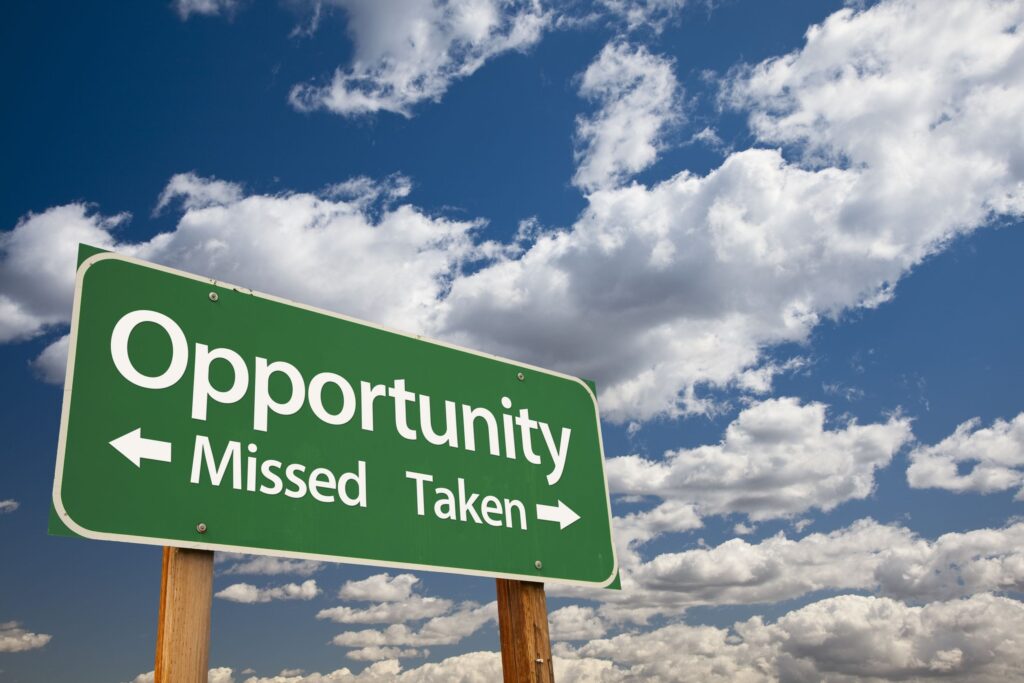
👉 The real loss isn’t in your account—it’s in the opportunities you missed.


🧠 Why People Stay in Cash Too Long


Holding cash isn’t the problem. Staying there too long is.


People delay action because:


They’re waiting for certainty


They want to “time the market” perfectly


They’re influenced by fear-driven headlines


They experienced past losses and don’t want to repeat them


But here’s the reality:


Certainty comes after opportunity—not before it.


⚙️ Cash Should Be a Tool, Not a Strategy


Smart investors don’t avoid cash—they use it strategically.


Cash is for:


Flexibility


Emergency reserves


Taking advantage of opportunities quickly


But it’s not meant to sit idle forever.


Because idle cash in a changing economy is like:


Having a tool and never using it while everyone else is building.


🏗️ Where Smart Money Moves Instead


In times of uncertainty, disciplined individuals don’t abandon cash—they deploy it with purpose.


They look for:


Undervalued assets during market dips


Cash-flowing businesses (especially essential services)


Opportunities created by fear and overreaction


They don’t wait for perfect conditions.


They move when conditions are imperfect but favorable.


📊 The Pattern That Repeats


Every cycle follows a similar pattern:


Uncertainty rises


People move to cash


Markets adjust and bottom out


Recovery begins quietly


Cash holders hesitate


Prices climb without them


By the time confidence returns, the best opportunities are already gone.


⚖️ The Balance: Smart, Not Reckless


This isn’t about dumping all your cash into the market or chasing risky moves.


It’s about:


Gradual investing


Strategic positioning


Staying active, not frozen


You don’t need to go “all in.”


But staying all out can be just as risky.


🚀 Final Thought: Cash Is Safety—But Only for a While


Cash protects you in the short term.


But over the long term, it can:


Limit growth


Reduce opportunity


Keep you stuck while others move forward


The goal isn’t to avoid cash.


It’s to avoid getting comfortable in it.


💡 Bottom Line


Holding cash feels safe—but holding it too long can quietly cost you everything.


Because while you’re protecting your downside…


👉 You’re also missing your upside.


And in the long run:


Wealth isn’t built by avoiding movement—it’s built by using your position wisely when others hesitate.


Also read: 

Leading While Learning: How to Guide Others Even When You Don’t Have It All Figured Out


Also read: 

When Eating Less Backfires: How Under-Fueling Quietly Slows Your Metabolism


Also read: 

When Skipping Meals Backfires: The Hidden Health Cost of Not Eating (Even When You’re “Fine”)

Read More

The Price of Waiting: How Playing It Safe Can Cost You Everything


When the world feels uncertain—markets swinging, headlines full of conflict, people predicting the worst—most individuals make what feels like the smartest move:


They step back.


They stop investing.


They delay starting that business.


They hold onto cash and tell themselves, “I’ll move when things are clearer.”


At first, it feels responsible. Even strategic.


But over time, something unexpected happens.


Nothing changes… except the opportunities disappear.


🌍 It Starts With Good Intentions


No one plans to fall behind.


Most people are just trying to avoid making a mistake. They don’t want to lose money, take unnecessary risks, or move at the wrong time.


So they wait.


And while they wait:


Prices begin to recover


Businesses adapt and grow


New opportunities get taken


By the time things feel “safe” again, the window they were waiting for is already closed.


📉 The Loss You Don’t See


When people think about risk, they think about losing money.


But there’s another type of loss that’s far more dangerous—because it’s invisible.


It’s the deal you didn’t take.


The investment you delayed.


The business you never started.


There’s no notification for it. No bank alert. No immediate pain.


But over time, it adds up in a powerful way.


👉 You didn’t lose money—you lost position.


💰 Meanwhile, Someone Else Is Moving


While most people are sitting on the sidelines, a smaller group is doing the opposite.


They’re not reckless—but they’re not frozen either.


They:


Start businesses when competition is low


Invest when prices are down


Learn and adapt faster than everyone else


They understand something simple:


Uncertainty doesn’t stop opportunity—it reduces competition for it.


And that changes the game completely.


🧠 Why Waiting Feels So Right (But Isn’t)


Waiting feels logical because it gives the illusion of control.


You tell yourself:


“I’ll wait for the market to stabilize”


“I’ll start when things calm down”


“I just need more information”


But here’s the problem:


Stability is always obvious—after it’s too late.


By the time everything feels clear:


Prices are higher


Opportunities are crowded


Margins are thinner


What felt like patience often turns into delay.


⚙️ Action Doesn’t Mean Risk—It Means Direction


This isn’t about jumping into random opportunities or taking big risks.


It’s about staying in motion.


Because when you move—even in small ways—you gain:


Experience


Awareness


Positioning


You start seeing opportunities others miss.


And most importantly, you build momentum.


🏗️ Where This Shows Up in Real Life


This plays out every day, especially in uncertain times.


Someone decides to wait before starting a service business—


Meanwhile, another person launches, builds a client base, and locks in repeat customers.


Someone holds off on investing—


Meanwhile, the market quietly recovers without them.


Someone delays learning a high-income skill—


Meanwhile, others become valuable and in demand.


Same environment. Different decisions. Completely different outcomes.


📊 The Pattern That Repeats


Every cycle looks different—but the pattern stays the same:


Fear rises


Most people pause


A few people act


Conditions improve


Those who acted benefit the most


It’s not about predicting the future.


It’s about understanding behavior.


⚖️ Playing It Smart vs. Playing It Safe


There’s a big difference between being careful and being inactive.


Playing it safe often means:


Avoiding decisions


Waiting for perfect timing


Letting fear guide actions


Playing it smart means:


Taking calculated steps


Managing risk while still moving


Making decisions with imperfect information


One leads to stagnation.


The other leads to growth.


🚀 Final Thought: Time Is Always Moving


You can pause your decisions—but you can’t pause time.


Markets will move.


Opportunities will shift.


Other people will act.


The only question is whether you’ll be part of that movement—or watching it happen.


💡 Bottom Line


Waiting feels safe—but it often comes at a hidden cost.


Not because you made a bad move…


But because you didn’t make one at all.


👉 In the long run, the biggest risk isn’t losing—it’s never stepping in the game.


Also read:

Leading While Learning: How to Guide Others Even When You Don’t Have It All Figured Out


Also read:

The Microdose Method: Why Tiny Daily Habits Outperform Big Life Overhauls


Also read:

Your Body Has a Different Age Than Your Birthday: Why Health Isn’t Measured in Years

Read More

Building Wealth When the World Feels Unstable


When headlines are filled with war, economic tension, inflation, and market swings, most people instinctively pull back.

They stop investing.

They delay business decisions.

They hold cash and wait for things to “settle down.”

But here’s the truth most people don’t realize:

Wealth is rarely built in stable times—it’s built in uncertain ones.

🌍 Uncertainty Is Where Opportunity Begins

Economic instability isn’t new. It’s part of a cycle that repeats itself throughout history.

During times of global tension or conflict:

Markets become volatile

Fear dominates decision-making

Prices disconnect from real value

Entire industries shift or expand

While the majority reacts emotionally, a small group of people step back and ask:

👉 “Where is the opportunity inside this chaos?”

That question alone changes everything.

📉 Volatility Isn’t Risk—It’s Misunderstood Leverage

Most people associate volatility with danger. In reality, volatility simply means movement—and movement creates opportunity.

When markets drop:

Strong companies can trade below their true value

Real estate opportunities increase

New industries accelerate faster than expected

This is where strategy beats emotion.

Instead of asking, “Is this a bad time?”

Successful individuals ask, “What is now undervalued?”

🧠 The Psychology Gap: Why Most People Miss Out

The biggest obstacle during unstable times isn’t the economy—it’s human behavior.

People tend to:

Follow the crowd

React to fear-driven news

Focus on short-term losses

Avoid action altogether

Meanwhile, disciplined investors and business owners:

Stick to long-term strategies

Look for discounted opportunities

Stay liquid but intentional

Move when others hesitate

This creates a powerful gap—and that gap is where wealth is built.

💰 Strategic Moves to Build Wealth During Uncertainty

You don’t need to predict the future. You need a framework.

1. Focus on Cash Flow First

In unstable times, cash flow is king.

Businesses that provide essential services tend to thrive, such as:

HVAC and repair services

Healthcare support

Logistics and delivery

Maintenance and home services

These industries don’t rely on hype—they rely on need.

2. Invest Consistently, Not Emotionally

Trying to time the market is a losing game for most people.

Instead, use strategies like:

Consistent investing (weekly or monthly)

Buying during dips

Holding long-term positions

Volatility becomes your advantage when you remove emotion from the process.

3. Position Yourself in Growing Sectors

Uncertain times often accelerate specific industries.

Areas that tend to grow during global tension:

Energy and infrastructure

Cybersecurity and defense

Automation and AI

Domestic manufacturing

The key is not chasing trends—but identifying where demand is increasing regardless of conditions.

4. Build Skills That Increase Your Value

Markets change—but value always wins.

Ask yourself:

Can I solve a problem people will always pay for?

Can I generate income regardless of the economy?

Skills in sales, operations, and technical trades often outperform theoretical knowledge during downturns.

5. Stay Liquid—but Not Idle

Cash gives you flexibility—but only if you use it wisely.

Holding cash without a plan leads to missed opportunities.

Holding cash with strategy allows you to move quickly when the right deal appears.

📊 Lessons From the Past

History makes one thing clear:

After major conflicts, economies rebuild—and expand

After downturns, markets recover—and reach new highs

After uncertainty, opportunity rewards those who stayed active

Some of the most successful businesses and investors didn’t wait for certainty.

They moved during confusion.

⚖️ Risk vs. Reward: Playing It Smart

This isn’t about reckless decisions or blind optimism.

It’s about:

Being calculated

Managing downside risk

Avoiding emotional reactions

Thinking long-term

Unstable environments don’t require more risk—they require better strategy.

🚀 Final Thought: Control What You Can

You can’t control wars.

You can’t control markets.

You can’t control global events.

But you can control:

Your preparation

Your strategy

Your actions

And in times when most people feel powerless, those who focus on what they can control often come out ahead.

💡 Bottom Line

Uncertainty doesn’t destroy opportunity—it reveals it.

While others wait for the “right time,”

those who act with clarity and discipline position themselves for the next wave of growth.

Because in the end:

👉 Wealth isn’t built when things feel safe. It’s built when others are too afraid to act.

Also read: 

Leading While Learning: How to Guide Others Even When You Don’t Have It All Figured Out

  • Also read: 

Trust and Transparency in Modern Leadership

Also read: 

Breathe to Feel Better: How CO₂ Tolerance Shapes Calm, Focus, and Everyday Stress

Read More

When “Great Culture” Isn’t So Great: The Signs Leaders Miss

Ask almost any company about its culture, and you’ll hear the same thing:


“We have a strong culture.”


On the surface, it often looks true.


People get along. Meetings run smoothly. There’s energy, collaboration, even pride.


But here’s the uncomfortable reality:


what looks like a strong culture can sometimes be a fragile one.


And the difference usually isn’t obvious—until performance drops, trust erodes, or key people quietly start leaving.


The Illusion of Harmony


A culture can feel strong simply because there’s no visible conflict.


No arguments.


No pushback.


No tension.


But that’s not always a good sign.


In many cases, it means people are holding back. They’re avoiding difficult conversations, choosing comfort over clarity. On the surface, everything looks aligned—but underneath, issues go unspoken.


Eventually, those unspoken issues build pressure. And when they finally surface, they can feel bigger than they should—almost like a delayed internal indictment of problems that were ignored too long.


When “Positive” Culture Becomes Passive


Positivity is valuable. But forced positivity? That’s where problems begin.


In some teams:


Feedback is softened too much


Concerns are framed as “not a big deal”


Underperformance is tolerated to avoid discomfort


It creates an environment where everything seems fine, but nothing improves.


Over time, accountability weakens. Standards slip. And what once felt like a supportive culture begins to feel unclear—like no one is quite sure where the line is anymore.


The Silence Around Performance


In truly strong cultures, performance is talked about openly and constructively.


In weak ones, it’s avoided.


Leaders may hesitate to address issues directly. Teammates might notice problems but choose not to speak up. Conversations that should happen early get delayed.


By the time action is taken, the situation feels escalated—like it’s already reached a level of seriousness that resembles a formal middle district review of everything that went wrong.


But the reality is simpler:


feedback came too late.


Over-Reliance on “Good People”


Some companies rely heavily on the idea that they have “great people.”


And they might.


But even great people need:


Clear expectations


Consistent accountability


Honest communication


Without these, even strong teams drift.


Good intentions can’t replace structure. And when structure is missing, culture becomes inconsistent—depending more on personalities than principles.


Energy Without Direction


Another common sign of a fragile culture is high energy with low alignment.


Teams are busy.


Work is happening.


Communication is constant.


But results don’t match the effort.


This happens when:


Priorities aren’t clear


Leadership sends mixed signals


Teams operate in silos


It creates movement without progress—a subtle but costly form of friction.


Leadership Signals Shape Everything


Culture isn’t what’s written in a company handbook.


It’s what leaders consistently tolerate and reinforce.


If leaders avoid hard conversations, the team learns to avoid them.


If leaders delay decisions, the team slows down.


If leaders prioritize comfort over clarity, standards fade.


Sometimes leaders only recognize these patterns when outcomes start to decline—when the business feels like it’s being quietly evaluated, almost as if facing a long-term sentence for habits that built up over time.


What Strong Culture Actually Looks Like


Real culture strength isn’t about constant positivity or surface-level harmony.


It’s built on:


✔ Honest, timely feedback


✔ Clear expectations and accountability


✔ Psychological safety and performance standards


✔ Alignment between words and actions


✔ Leaders who address issues early


Strong cultures are not always the most comfortable—but they are the most consistent and clear.


How to Spot the Difference Early


If you want to know whether your culture is truly strong, ask:


Do people speak up when something feels off?


Are performance conversations happening early or late?


Is accountability consistent across the team?


Are results matching effort?


If the answer to these questions is unclear, your culture might not be as strong as it seems.


Final Thought


Weak cultures don’t usually look broken.


They look fine—until they’re not.


They operate just well enough to avoid attention, but not well enough to sustain growth.


The goal isn’t to create a culture that avoids tension.


It’s to create one that handles tension well.


Because in business, strength isn’t defined by how things look when everything is easy—


it’s defined by how clearly and consistently people respond when things get hard.


Also read :

Leading While Learning: How to Guide Others Even When You Don’t Have It All Figured Out


Also read:

Leading Close, Not Cold: How to Hold Authority Without Losing Your Humanity


Also read:

The 80/20 Health Rule: Why Consistency Beats Perfection Every Time

Read More

When Good Business Plans Fall Apart in the Real World


Every business leader has experienced it at least once.


You build a strategy that looks perfect on paper. The numbers make sense. The research checks out. Advisors agree. The timeline feels realistic.


Yet months later, the plan stalls—or fails entirely.


It’s easy to assume the strategy itself was flawed. But often, the real reason smart strategies collapse isn’t because the idea was wrong. It’s because real life is more complex than any plan can predict.


Understanding why this happens can help leaders avoid repeating the same cycle.


The Gap Between Theory and Reality


In boardrooms and planning sessions, strategies are built using assumptions. Those assumptions are based on market data, forecasts, and experience.


But once a strategy enters the real world, it meets variables no spreadsheet can fully capture:


Human behavior


Unexpected competition


Operational friction


Changing economic conditions


Even a well-designed strategy can feel like it’s being placed under intense scrutiny—almost like a proposal being quietly indicted by reality itself.


The plan wasn’t irrational. It simply didn’t account for everything.


Execution Is Harder Than Strategy


Many leaders focus heavily on strategy design but underestimate the difficulty of execution.


Execution requires:


Consistent communication


Clear ownership of tasks


Accountability at every level


Alignment across teams


Without these, even the smartest strategy can stall. Small delays multiply, confusion spreads, and momentum fades.


It’s not uncommon for leadership teams to look back and realize that the plan itself wasn’t the issue. The issue was that the organization wasn’t structured to carry it out effectively.


The Human Factor


Businesses aren’t machines—they’re networks of people. And people interpret strategy differently.


Some employees embrace change quickly. Others resist it quietly. Some misunderstand the goals entirely.


When these dynamics aren’t managed carefully, strategies begin to fracture. Departments start moving in different directions. Priorities become blurred.


Before long, leadership feels as if the strategy is being judged from every angle—almost like facing a boardroom-level sentence on whether the initiative deserves to continue.


But what’s actually happening is simpler: alignment was never fully achieved.


Speed of Change in the Real World


Markets move faster than most plans anticipate.


A strategy developed six months ago might already be outdated by the time implementation begins. New technologies emerge, competitors adapt, or consumer behavior shifts unexpectedly.


Companies that treat strategy as a rigid blueprint often struggle in these conditions.


The most resilient leaders treat strategy more like a living system—something that evolves as new information appears.


In fast-moving markets, adaptability matters more than perfection.


Overconfidence Can Quietly Sabotage Good Ideas


Another reason strong strategies fail is simple overconfidence.


When leaders become emotionally invested in an idea, they may overlook warning signs:


Early feedback from customers


Concerns from employees


Market signals suggesting adjustment is needed


Instead of adapting, they double down.


In extreme cases, leaders continue defending a failing approach long after evidence suggests change is necessary. It can feel like defending a case in front of an internal middle district of skeptical stakeholders.


Confidence is essential in leadership—but so is humility.


Complexity Often Grows Faster Than the Plan


Many strategies begin simple and become complicated during implementation.


New approvals are added. Additional reporting appears. Teams introduce extra processes to protect themselves from risk.


Gradually, the strategy becomes harder to execute than originally intended.


What began as a clear plan turns into something bureaucratic and slow. By the time leadership recognizes the problem, the initiative has lost energy.


The Leaders Who Avoid This Trap


The most effective leaders approach strategy differently.


They understand that plans are starting points, not guarantees.


These leaders:


Build flexibility into their plans


Encourage feedback early


Simplify execution wherever possible


Adjust quickly when evidence changes


Rather than defending strategies as if they’re permanent verdicts, they treat them as experiments that improve over time.


Final Thought


Smart strategies don’t always fail because they were bad ideas.


More often, they fail because real life introduces variables no plan can fully control—people, timing, communication, and execution.


Leadership isn’t about creating perfect strategies. It’s about recognizing when reality is telling you something important and having the discipline to adjust.


The leaders who succeed aren’t the ones whose plans never face scrutiny. They’re the ones who adapt before the situation feels like a final business sentencing on whether the idea can survive.


Strategy, after all, isn’t static. It’s a conversation between planning and reality—and the best leaders know how to listen.


Also read: 

Leading Close, Not Cold: How to Hold Authority Without Losing Your Humanity


Also read: 

The 80/20 Health Rule: Why Consistency Beats Perfection Every Time

Read More

Leading While Learning: How to Guide Others Even When You Don’t Have It All Figured Out

Leadership is often portrayed as certainty. Confidence. Clear answers at every turn.


But the truth most leaders won’t admit is this:


many people step into leadership roles while still figuring themselves out.


Careers evolve. Priorities shift. Experience arrives later than responsibility. And yet, teams still look to you for direction, reassurance, and decisions—sometimes when you’re quietly questioning your own.


This doesn’t disqualify you from leading.


In many cases, it makes you a better leader.


You Don’t Need All the Answers to Earn Respect


One of the biggest myths in leadership is that authority comes from certainty. In reality, it comes from consistency and honesty.


People don’t expect perfection. They expect:


Fairness


Follow-through


Clear intent


When leaders pretend to have everything figured out, teams sense it. That pretense creates pressure—like every mistake feels heavier than it should, almost like an unspoken sentence handed down for getting something wrong.


Transparency lowers that tension.


The Difference Between Uncertainty and Unreliability


Not knowing everything is human.


Being unreliable is not.


Strong leaders who are still learning do a few things well:


They communicate what they know and what they’re still working through


They make decisions based on values, not ego


They invite input without surrendering responsibility


This prevents confusion from turning into blame. Without clarity, teams sometimes treat small missteps like personal indictments, when really they’re just part of growth.


Why Self-Awareness Is a Leadership Multiplier


Leaders who acknowledge they’re still evolving tend to:


Listen more closely


Overreact less


Adjust faster


Lead with empathy


They recognize when stress, fear, or pressure is shaping their reactions. That awareness keeps small issues from escalating into formal-feeling consequences that resemble a middle district review of everything that went wrong.


Self-awareness keeps leadership human.


Learning in Public Builds Stronger Teams


There’s power in saying:


“Here’s what I’m seeing. Here’s what I don’t know yet. And here’s how we’ll figure it out together.”


That kind of leadership builds trust.


Teams don’t need leaders who never struggle. They need leaders who don’t hide when things get uncomfortable. When people feel safe asking questions, mistakes surface early—before frustration quietly hardens into disengagement.


By the time problems feel official, like something that reached Jacksonville-level escalation, it’s often because no one felt safe speaking sooner.


Setting Direction While You’re Still Finding Yours


Even if you’re still defining your own leadership style, you can still:


Set clear expectations


Hold consistent standards


Protect your team’s focus


Make values-based decisions


Direction doesn’t come from knowing your final destination.


It comes from knowing what you won’t compromise along the way.


That stability matters more than certainty.


What Teams Actually Want From Leaders


People don’t expect you to be finished.


They expect you to be present.


They want leaders who:


Admit mistakes early


Learn out loud


Stay calm under pressure


Don’t punish honesty


When accountability feels fair instead of threatening, feedback doesn’t feel like punishment. It feels like progress—not a surprise sentence after the fact.


Final Thought: Growth Is Not a Leadership Weakness


Some of the most effective leaders are the ones still becoming.


They don’t lead from a pedestal.


They lead from the path.


If you’re learning, questioning, refining, and growing—while still showing up for others—you’re not behind. You’re doing leadership the way it actually works.


Leadership isn’t about having everything figured out.


It’s about being willing to figure things out with integrity, clarity, and care—one decision at a time.


Also read:

Leading Close, Not Cold: How to Hold Authority Without Losing Your Humanity


Also read: 

The 80/20 Health Rule: Why Consistency Beats Perfection Every Time


Also follow: 

ßhttp://www.instagram.com/omarcsolari

Read More

Leading Close, Not Cold: How to Hold Authority Without Losing Your Humanity

For a long time, leadership followed a simple rule:

Create distance to maintain power.

Closed doors.

Tight hierarchies.

Information on a need-to-know basis.

But modern leadership has rewritten that rule.

Today, the most effective leaders aren’t distant — they’re present. They don’t rule by fear or formality. They lead with authority and humanity, proving you don’t have to step away from people to earn respect.

In fact, distance is often what slows teams down, erodes trust, and creates the kind of internal friction that feels heavier than any formal sentencing handed down after a bad quarter.

Authority Doesn’t Come From Distance — It Comes From Clarity

Many leaders worry that being approachable will weaken their authority.

The opposite is usually true.

Authority isn’t built by silence or mystery — it’s built by clarity:

Clear expectations

Clear values

Clear decisions

Clear accountability

When teams don’t understand where a leader stands, they fill the gap with assumptions. And assumptions are dangerous. They turn small missteps into internal trials that feel like personal indictments, even when no one has actually done anything wrong.

Clarity removes that anxiety.

The Cost of Leading From Too Far Away

When leaders create too much distance, a few things quietly happen:

People stop asking questions

Problems surface late

Small issues grow into big ones

Trust erodes without anyone noticing

By the time leadership steps in, the situation feels escalated — like it’s already crossed into a formal middle district of consequences, rather than a simple course correction.

Distance doesn’t prevent mistakes.

It delays their visibility.

Human Authority: The New Leadership Advantage

Human authority is not about being everyone’s friend.

It’s about being accessible, fair, and consistent.

Leaders who balance authority with humanity:

Explain decisions instead of hiding them

Listen without surrendering standards

Correct behavior without humiliation

Stay calm under pressure

They understand that accountability doesn’t have to feel like punishment — it can feel like guidance.

When people trust your intent, even hard conversations don’t feel like a sentence. They feel like progress.

Boundaries Are What Make Humanity Work

Being human doesn’t mean being soft.

And being close doesn’t mean being unclear.

Strong leaders set boundaries:

They say no without guilt

They protect priorities

They don’t over-explain or under-communicate

They separate empathy from inconsistency

This balance is what keeps authority intact.

Without boundaries, leadership becomes chaos.

With them, humanity becomes a strength.

Why People Follow Leaders Who Stay Close

People don’t leave companies — they leave leadership environments where:

Feedback feels unsafe

Power feels arbitrary

Silence replaces guidance

The leaders who retain talent, loyalty, and momentum are the ones who stay close enough to understand what’s really happening — before frustration hardens into resentment or quiet disengagement that feels like a slow internal sentencing no one ever discussed.

Staying close doesn’t weaken authority.

It strengthens it.

How to Lead Close Without Losing Control

Here’s what effective leaders do differently:

✔ They are visible, not intrusive

✔ They listen without absorbing chaos

✔ They communicate decisions early

✔ They address issues privately and promptly

✔ They show consistency under stress

This is leadership that feels steady — not reactive.

Final Thought: Authority Is Felt, Not Forced

Real authority isn’t enforced through distance, silence, or fear.

It’s felt through consistency, fairness, and presence.

When people trust your intentions, they don’t resist your authority.

They support it.

And in today’s business environment,

the leaders who win aren’t the ones who stand farthest away — they’re the ones who stay close enough to lead with strength and humanity.

Also read: 

Leading While You’re Still Learning: The Real Truth About Growing Into Leadership

Also read: 

Venture Secondaries: The Smart Investor’s Shortcut to Pre-IPO Liquidity

Also follow: 

http://www.instagram.com/omarcsolari

Read More

The Hidden Slowdown: The Everyday Behaviors That Quietly Freeze a Company’s Momentum

Every business feels friction. You might not see it, you might not hear it, but you feel it — that subtle drag when a project that should take 10 days takes 30, or when talented people feel stuck, confused, or overworked for reasons no one can quite explain.

The ironic thing?
Most friction isn’t caused by big crises, legal troubles, public failures, or anything dramatic like an indicted executive or someone being sentenced in a headline. It’s the quiet stuff — the repeated micro-behaviors that seem harmless in the moment but accumulate over time until the whole organization starts moving in slow motion.

And often, leaders don’t realize it until it’s already costing real money, morale, and momentum.

Let’s break down the invisible behaviors that secretly slow a company down… and how to fix them before they harden into culture.


  1. The Delay Loop: When No One Wants to Make the Call

One of the biggest sources of friction is decision hesitation.
Not refusal — just hesitation.

People wait for “more data.”
Then wait for “confirmation.”
Then wait for someone else to “sign off.”

It’s a slow-motion bottleneck that feels like a procedural formality, but is actually a momentum killer.

The best leaders create decision clarity:

Who decides

By when

With which criteria

Not everything requires a committee. Not everything requires a PowerPoint. And not everything needs to be escalated like a case headed to the Middle District for review. Most decisions just need ownership.


  1. Hidden Work: When Everyone Is Busy but Nothing Moves

This is the silent killer.

Teams look productive.
Everyone is “in motion.”
Slack channels stay active.
Meetings are full.

Yet nothing meaningful gets completed.

This friction comes from unclear priorities, shifting directives, or leaders unintentionally overloading people with parallel tasks. It feels harmless day-to-day, but it’s the equivalent of asking your team to run with a weighted vest.

High-performing teams know the rule:
Clarity is the enemy of friction.


  1. Over-Communication That Feels Like Under-Communication

In growing companies, communication becomes chaotic:

People think they already told someone something.

Half-updates create half-understanding.

Messages get lost between platforms.

“I thought you knew” becomes the company’s unofficial slogan.

The result?
Tiny misunderstandings that cause large delays.

This isn’t a dramatic organizational failure — no one is being “held,” “charged,” or “indicted.” It’s simply the quiet erosion of alignment. The fix is simple:

Use fewer channels, communicate more clearly, and confirm understanding — not assumption.


  1. The Courtesy Stall: When People Avoid Tough Conversations

People avoid tension — it’s human.

But polite avoidance becomes friction when:

Someone underperforms but no one says anything

A team member miscommunicates but everyone ignores it

A project is flawed but no one wants to “be negative”

These tiny avoidance behaviors compound into major delays.

It’s seemingly harmless, but it slows everything.

High-trust teams do the opposite:
They address issues early, directly, and respectfully.


  1. Complexity Creep: When Systems Grow Faster Than People

Growth brings tools.
Tools bring processes.
Processes bring rules.
Rules bring complexity.

Before you know it, a simple task requires five approvals, three dashboards, and two check-ins.

This friction is never intentional. Nobody plans to make work harder. But complexity expands naturally unless someone reduces it deliberately.

The best leaders regularly ask:
“What can we remove?”

Every system must earn its keep.


How to Reduce Friction Before It Costs You Millions

Here’s what friction-free companies do differently:

✔ They make decisions fast and revisit them if necessary

Speed beats perfection.

✔ They create psychological safety for truth

People speak up early, before problems compound.

✔ They set fewer, clearer priorities

Less scattering. More momentum.

✔ They simplify processes every quarter

Not yearly — quarterly.

✔ They reward clarity, not chaos

Busy isn’t the same as productive.


A Final Thought: Friction Doesn’t Announce Itself

Companies rarely slow down from one big failure.
They slow down from a thousand tiny behaviors no one notices until it’s too late.

But the good news?
These micro-frictions are fixable — not with massive restructuring, but with daily awareness, small culture shifts, and leaders who listen, reflect, and adapt.

Momentum is built the same way friction is created:
Small actions, repeated consistently.

Also read:

Read More

Leading While You’re Still Learning: The Real Truth About Growing Into Leadership

Here’s a secret most people won’t admit out loud:
No one feels fully ready to lead.
Not at the beginning, not during the messy middle, and honestly… not even after years of experience.

Leadership isn’t a finish line. It’s a moving target.
And many of us step into leadership roles while we’re still figuring out who we are, how we want to lead, and what kind of impact we truly want to make.

If you’ve ever felt unprepared, imperfect, or like you’re navigating your own version of a personal indictment of self-doubt — you’re not alone. Learning to lead while still growing yourself is the most human (and honest) form of leadership there is.


  1. Leadership Starts With Self-Honesty, Not Perfection

Most people assume leaders must project confidence 24/7.
But here’s the reality:

Your team doesn’t need you to be flawless — they need you to be real.

When you acknowledge you’re learning, people don’t lose respect.
They gain connection.

I’ve met leaders who were terrified to admit gaps in knowledge, as if every mistake meant a metaphorical sentencing of their authority. But the strongest leaders replace perfection with transparency:

“I’m still learning this — let’s figure it out together.”

“I don’t have the answer yet, but I’m committed to finding it.”

“Here’s what I’m working on improving.”

This builds trust faster than pretending you have it all figured out.


  1. You Can Lead and Learn at the Same Time

A lot of people wait to step up until they feel “ready.”
But readiness is a myth.

Leadership grows in real time — through trial, error, adjustment, and sometimes a few internal moments that feel like a self-imposed indictment for not having all the answers.

You level up by:

making small decisions daily

observing what works

admitting what doesn’t

adjusting without self-blame

Even in high-stakes environments — whether you’re running a team in Jacksonville, leading a project, or navigating big transitions — growth happens while leading, not before it.


  1. Your Humanity Is an Asset, Not a Weakness

Some people think suppressing emotions makes them stronger leaders.
But here’s the truth:

Human leaders inspire human teams.

Your struggles, doubts, lessons, and personal growth journey become part of your leadership style.

People trust leaders who have:

survived setbacks

recovered from mistakes

reinvented themselves after difficult seasons

If you’ve ever felt like a late bloomer, a work-in-progress, or someone reinventing themselves after a tough chapter that felt like you were mentally sentenced by your own expectations — that just makes you more relatable.

You become the leader people want to follow because you understand them.


  1. Overcommunication Becomes Your Best Skill

When you’re still finding your voice as a leader, the best tool you have is clarity.

Be clear about:

expectations

boundaries

priorities

decisions

values

Clear communication solves 85% of leadership problems before they start.

Even if you doubt yourself at times, clarity gives your team stability.
And stability creates momentum.


  1. Don’t Lead Alone — Build a Support System

Every leader who grows successfully has:

mentors

peers

sounding boards

people who tell them the truth

people who encourage them

people who challenge them

Leading alone makes you feel like every misstep equals a psychological sentencing.
Leading with support makes everything manageable.

You don’t need a large circle — just a wise one.


  1. The Power of Making Space for Your Own Evolution

The best leaders give themselves what they give others:

patience

grace

room to grow

permission to change

You can pivot your style, adjust your strategies, rethink your beliefs, or evolve your approach anytime.

Leadership is a long game, not a Jacksonville-style sprint.

You are allowed to:

change your mind

grow at your pace

improve with experience

outgrow old versions of yourself

This is how real leaders are built.


Final Thought: Your Imperfections Make You Worth Following

If you’re leading while still figuring yourself out, that means you’re:

self-aware

humble

open to learning

emotionally intelligent

willing to grow

And those qualities make you exactly the kind of leader people trust.

You don’t need to wait for a title, a milestone, or the moment when you finally feel “ready.”
The world needs leaders who lead with authenticity — not leaders who pretend they’ve never stumbled.

You are not behind.
You are evolving.
And that evolution is what makes your leadership powerful.

Also read:

https://omarsolari.com/the-quiet-killer-of-good-strategy-when-ego-outranks-vision/

Also follow:

https://www.instagram.com/omarcsolari/

Read More

Breathe to Feel Better: How CO₂ Tolerance Shapes Calm, Focus, and Everyday Stress

Most of us think we know how to breathe.
It’s automatic, effortless, and constant — so why would we need to “learn” it?

But here’s the surprising truth: even though breathing happens on its own, how we breathe quietly determines how we feel, how we handle stress, and how well our brain functions under pressure.

And the hidden player in this entire system is something we often misunderstand: carbon dioxide (CO₂).


The Misunderstood Gas That Controls Your Stress Response

We grow up believing CO₂ is just a waste product our body needs to get rid of.
But modern physiology shows the opposite — CO₂ is one of the most important communication signals in your nervous system.

Your brain relies on CO₂ levels to decide whether you feel safe, threatened, calm, focused, or overwhelmed.
And everyone has a different threshold.

If you’re sensitive to rising CO₂, even minor stress can feel intense.
If you have high CO₂ tolerance, you can stay grounded and think clearly even when life gets loud.

It’s not about willpower — it’s about chemistry.


Why CO₂ Tolerance Matters More Than You Think

Hold your breath for a moment.
The uncomfortable urge to inhale isn’t because your oxygen tank is empty — it’s because CO₂ is rising.

Your body is basically saying:

“Hey, something’s changing. Should we panic?”

People with low CO₂ tolerance feel this alarm faster and more intensely.
People with high tolerance stay calm longer — their nervous system doesn’t jump to conclusions.

Once you understand this, breathwork stops feeling like “wellness hype” and starts looking like nervous system training.


Study #1: CO₂ Sensitivity and Anxiety Are Directly Linked

A study in Biological Psychiatry (2014) found that people with low CO₂ tolerance showed higher amygdala activation — meaning their brains reacted more strongly to stress signals.

Those with higher tolerance?
They had lower anxiety sensitivity and fewer panic-like symptoms.

In simple terms:
Your emotional stability is partly determined by how your body handles CO₂.

This is why breathwork is so powerful — it literally changes the threshold at which your brain decides to stress out.


Your Breath Is the Fastest Way to Talk to Your Nervous System

When stress hits, our breathing usually becomes shallow and rapid.
To the brain, this signals danger — even if the “danger” is just an email or a packed day.

The fix isn’t complicated:

Slow the breath → raise CO₂ tolerance → calm the nervous system.

This isn’t just theory.


Study #2: Slow Breathing Strengthens the Vagus Nerve

A 2018 study in Frontiers in Human Neuroscience showed that slow, rhythmic breathing (especially 5–6 breaths per minute) significantly increased vagal tone.
This matters because the vagus nerve controls:

heart rate

digestion

emotional regulation

recovery

your ability to leave fight-or-flight

The study found that breathing with longer exhales created the strongest calming effect.

If meditation feels hard, this is why breathwork is often easier:
You’re using biology as leverage.


So How Do You Build CO₂ Tolerance?

It’s easier than most people realize. You don’t need equipment, a class, or a long routine. You just need moments of awareness woven into your day.

Here are simple techniques that feel natural:

  1. The CO₂ Tolerance Check (BOLT Test Style)

Exhale normally

Hold your breath

Stop at the first uncomfortable urge to breathe

This number tends to improve as your CO₂ tolerance builds.


  1. The Long-Exhale Method (4:6 or 4:8)

Inhale 4 seconds → exhale 6–8 seconds.
Do this for 1–2 minutes anytime you feel tension rising.

Long exhales signal safety.


  1. Nasal Breathing Throughout the Day

Nose breathing automatically increases CO₂ tolerance and boosts nitric oxide (which opens your airways and improves oxygen delivery).

A small change, huge return.


The Bigger Picture: Calm Is a Skill You Can Train

One of the most empowering parts of breathwork is realizing this:

Your stress response is not fixed — it’s trainable.

You’re not at the mercy of your environment, inbox, or to-do list.
With breathwork, you’re teaching your nervous system how to stay balanced even when life gets chaotic.

You’re not just breathing better…
you’re living better.

Because when you can control your breath, you can control the moment — and most moments are better handled from a place of calm clarity.

also read :

https://omarsolari.com/the-quiet-killer-of-good-strategy-when-ego-outranks-vision/

follow:

https://www.instagram.com/omarcsolari/

Read More