
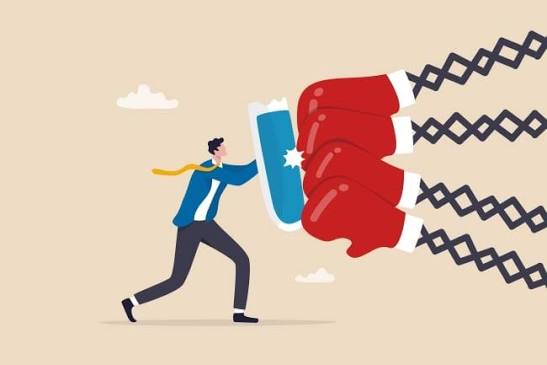
Life challenges everyone.
Stress.
Setbacks.
Unexpected problems.
Periods of uncertainty.
Yet some people seem to navigate adversity with remarkable stability, while others feel overwhelmed by the same circumstances.
At first glance, this might look like personality or mindset alone.
But resilience is much more than positive thinking.
It’s a biological process that involves the brain, nervous system, hormones, and even physical health.
Mental resilience isn’t about avoiding stress.
It’s about how effectively the body and mind recover from it.
What Mental Resilience Really Means
Many people misunderstand resilience.
They assume resilient people don’t experience stress, fear, frustration, or anxiety.
The reality is quite different.
Resilient individuals experience the same emotions as everyone else.
The difference is that they recover more efficiently.
They adapt.
They regain balance.
They return to baseline faster after difficult experiences.
In other words, resilience is less about toughness and more about recovery.
The Nervous System’s Role in Resilience
At the center of resilience is the nervous system.
When stress appears, the body activates its survival response:
Increased heart rate
Elevated cortisol
Heightened alertness
Increased glucose availability
These reactions are useful in short bursts.
The problem occurs when the body struggles to switch them off.
Highly resilient individuals often have nervous systems that can move more effectively between:
Activation
Recovery
This flexibility allows them to respond to challenges without becoming trapped in chronic stress.
Why Recovery Matters More Than Strength
Think about physical exercise.
A workout itself doesn’t make you stronger.
Recovery after the workout does.
Mental resilience works similarly.
Stress isn’t always harmful.
In fact, manageable stress can strengthen adaptive capacity.
What matters is whether recovery follows.
Without recovery:
Cortisol stays elevated
Sleep quality declines
Inflammation increases
Mental fatigue accumulates
Over time, even small stressors begin feeling overwhelming.
What the Research Shows
One influential study published in Psychological Science examined individuals exposed to significant life stressors and found that resilience was strongly associated with the ability to maintain emotional regulation and recover more quickly after stressful events.
Researchers observed that resilient individuals showed healthier physiological responses to stress, including faster normalization of cardiovascular and hormonal activity after challenging situations.
The findings suggest that resilience is not simply a personality trait.
It is a measurable biological capacity that can be strengthened over time.
The Hidden Habits That Build Resilience
Mental resilience is often built long before a stressful event occurs.
Several habits consistently support resilience:
Quality Sleep
Sleep is when the brain processes emotional experiences and restores nervous system balance.
Physical Activity
Movement improves stress regulation and enhances mood-related neurotransmitters.
Stable Nutrition
Consistent meals and stable blood sugar help prevent unnecessary stress responses.
Meaningful Relationships
Social connection remains one of the strongest predictors of resilience and longevity.
Recovery Time
Moments of quiet, reflection, and relaxation allow the nervous system to reset.
Why Modern Life Challenges Resilience
Today’s world creates a unique problem.
Many people experience constant low-level stress without sufficient recovery.
Notifications.
Deadlines.
Financial pressure.
Information overload.
Poor sleep.
Whether you’re navigating a demanding schedule in Jacksonville, managing responsibilities in the Middle District of Florida, or simply trying to keep up with modern life, the nervous system often receives the same message:
Stay alert.
The result isn’t always burnout overnight.
It’s gradual depletion.
Resilience and Longevity
Mental resilience doesn’t only affect emotional well-being.
It influences long-term health.
Research continues to link chronic stress with:
Accelerated biological aging
Increased inflammation
Cardiovascular disease
Cognitive decline
Metabolic dysfunction
Resilience helps reduce the physiological burden of stress.
In many ways, resilience is not just a mental skill.
It’s a longevity skill.
The Bigger Picture
Life will always include stress.
No one escapes setbacks, uncertainty, or difficult seasons.
The goal isn’t to eliminate stress entirely.
The goal is to build a system capable of recovering from it.
No person deserves an indictment for feeling overwhelmed during challenging periods.
And resilience isn’t something people either have or don’t have.
It is something that can be developed through consistent habits, recovery, and self-awareness.
Because in the long run, the people who thrive aren’t always the strongest or the smartest.
They’re often the ones who learn how to recover, adapt, and keep moving forward when life becomes difficult.
Also read:
Why Carbs Keep Getting Blamed (When Context Is the Real Issue)
Also read: