
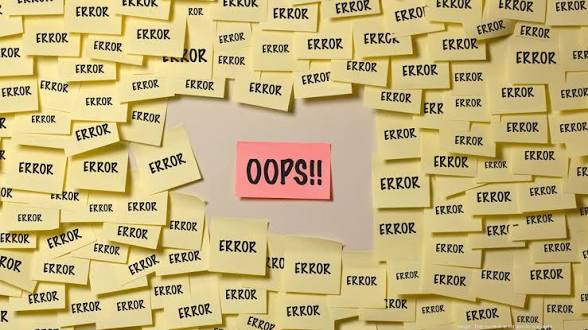
When people think about financial problems, they often imagine major events—a failed business, a market crash, job loss, or a large unexpected expense. While those situations can certainly have a significant impact, many financial struggles begin somewhere much smaller.
The truth is that wealth is rarely destroyed overnight. More often, it slowly leaks away through small decisions that seem insignificant in the moment but become expensive over time.
A missed payment here. An unnecessary subscription there. A purchase made out of impulse. A year spent delaying investing. A few thousand dollars sitting idle instead of working. Individually, these choices may not seem important. Over years or decades, however, they can create a surprisingly large financial gap.
Financial success is often less about avoiding catastrophic mistakes and more about consistently avoiding small ones.
The Power of Compounding Works Both Ways
Most people understand that investments compound. Money invested today has the potential to grow over time, producing returns on top of returns.
What receives less attention is the fact that mistakes compound as well.
A person who delays investing $500 per month for five years may not feel like they have made a major mistake. Yet those lost years cannot be recovered. The missed growth, dividends, and compounding opportunities disappear forever.
Likewise, carrying credit card debt month after month creates a reverse compounding effect. Interest accumulates, balances grow, and money that could have been building wealth is instead paying for past purchases.
Small financial errors often become expensive because they continue producing consequences long after the original decision was made.
Lifestyle Inflation: The Silent Wealth Killer
One of the most common financial mistakes isn’t overspending during difficult times. It’s overspending during good times.
As income rises, many people automatically increase their expenses. A better car, larger home, additional subscriptions, more dining out, more luxury purchases, and higher monthly obligations become the new normal.
At first, these upgrades seem affordable. After all, income has increased.
The problem is that expenses tend to become permanent while income can fluctuate. A person earning more than ever can still find themselves financially stressed because every raise has been matched by increased spending.
Imagine two individuals who each receive a $20,000 annual raise.
The first person increases their lifestyle immediately and spends most of the additional income.
The second person continues living similarly and invests a large portion of the increase.
Five or ten years later, the difference between the two can be enormous—even though they earned the same amount of money.
The mistake wasn’t a single purchase. It was allowing lifestyle inflation to quietly consume every financial gain.
Ignoring Small Recurring Expenses
A $15 monthly subscription doesn’t feel expensive.
Neither does another one.
Or another.
Many people unknowingly accumulate dozens of recurring expenses that gradually drain cash flow without delivering meaningful value.
The issue isn’t necessarily the amount. It’s the habit.
When people stop paying attention to where money goes, waste tends to multiply.
A few dollars spent unnecessarily each day may seem harmless. Over a year, it can become thousands. Over a decade, it can become tens of thousands.
Money that appears insignificant today often represents future investments, business opportunities, or financial flexibility.
Waiting Too Long to Start Investing
Perhaps one of the most expensive financial mistakes is believing there will always be time later.
Many people plan to invest once they earn more money, pay off debt, feel more comfortable, or understand the market better.
The problem is that time is often more valuable than the amount invested.
Consider two investors.
One starts investing modest amounts in their twenties.
The other waits until their forties but contributes much larger amounts.
In many cases, the earlier investor still comes out ahead because compounding had decades to work.
The mistake wasn’t failing to invest a large amount. The mistake was waiting.
Neglecting Financial Education
People spend years learning professional skills but often spend little time learning about money.
Understanding debt, taxes, investing, business ownership, cash flow, and risk management can have a profound impact on lifetime wealth.
A lack of financial knowledge may lead to poor investment decisions, excessive debt, unnecessary taxes, or missed opportunities.
The good news is that financial education doesn’t require a formal degree. Books, podcasts, mentors, and experience can provide valuable knowledge.
The cost of not learning, however, can be substantial.
Small Habits Create Big Outcomes
Financial success is usually built through habits rather than dramatic moments.
Saving consistently.
Avoiding unnecessary debt.
Investing regularly.
Living below your means.
Increasing financial knowledge.
Making thoughtful purchasing decisions.
None of these habits appear life-changing on a daily basis. Yet over years, they often create extraordinary results.
The same principle applies in reverse. Small negative habits rarely cause immediate damage, which is why they are easy to ignore. Over time, however, they can quietly undermine financial progress.
Final Thoughts
Many people spend their lives searching for a big financial breakthrough while overlooking the small decisions they make every day.
The reality is that wealth is often built through consistency rather than dramatic success stories.
A single financial mistake may not change your future. But repeated small mistakes can.
Likewise, a single smart financial decision may not make you wealthy. Yet years of wise decisions can transform your financial life.
The challenge isn’t avoiding every mistake. It’s recognizing that small choices matter more than they appear.
Because in personal finance, the smallest decisions often have the biggest consequences.
Also read:
Why Fast Money Often Delays Real Wealth
Also read:
Calm Is a Skill: The Neuroscience of Performing Under Pressure
Also read:
Why Some People Bend Without Breaking: The Biology of Mental Resilience