
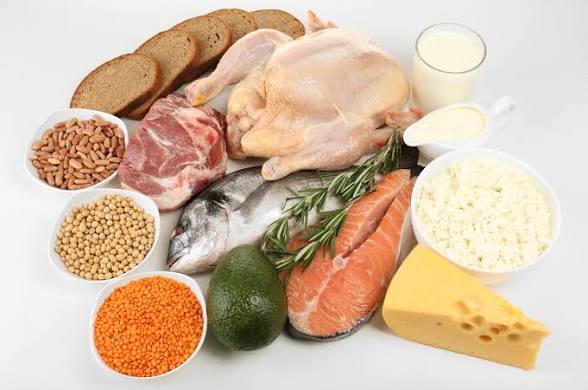
Protein has earned its reputation.
It supports muscle.
Stabilizes blood sugar.
Improves satiety.
But somewhere along the way, helpful guidance turned into fixation. For many people, protein is no longer part of a balanced approach — it’s the center of every decision.
More grams.
More shakes.
More tracking.
And quietly, something starts to feel off.
Energy dips. Sleep feels lighter. Digestion changes. Cravings show up in unexpected ways.
Not because protein is bad — but because imbalance creates stress.
When Optimization Turns Into Pressure
Focusing on protein often begins with good intentions:
Build muscle
Improve metabolism
Stay full longer
Reduce overeating
But when intake becomes excessive or overly rigid, the body doesn’t interpret it as optimization.
It interprets it as imbalance.
Meals become skewed. Carbohydrates drop too low. Eating patterns become restrictive. And what started as structure slowly becomes pressure.
There’s no official indictment — but the system starts responding as if something is off.
The Stress Response No One Talks About
The body doesn’t just respond to what you eat. It responds to what’s missing.
When protein intake is high but carbohydrates are too low — especially under stress — the body compensates by:
Increasing cortisol
Elevating gluconeogenesis (creating glucose from protein)
Raising energy demands internally
Reducing efficiency in recovery
This process isn’t harmful short-term. But over time, it can feel like:
Feeling “wired but tired”
Poor sleep quality
Increased anxiety
Reduced workout performance
Persistent fatigue despite eating “healthy”
The body isn’t failing.
It’s adapting to a skewed signal.
Why Balance Matters More Than Quantity
Protein doesn’t work in isolation.
It relies on:
Carbohydrates for nervous system support
Fats for hormone production
Micronutrients for absorption and utilization
Without balance, even high-quality nutrition can create friction.
This is where many people get stuck: They’re eating enough — but not in a way the body can fully use.
Instead of nourishment, it feels like effort.
What Research Suggests
Research published in The Journal of Clinical Investigation has shown that chronically elevated cortisol levels can increase protein breakdown and impair muscle recovery, especially when energy intake and carbohydrate availability are insufficient.
In other words: More protein doesn’t automatically mean better results — especially when the body is under stress.
Without proper balance, the system shifts from building to conserving.
Real Life Doesn’t Support Extremes
In real life — whether you’re managing long workdays in Jacksonville or navigating daily demands anywhere in the Middle District of Florida — extreme nutrition strategies are hard to sustain.
High-protein diets often come with:
Skipped meals
Low carbohydrate intake
Over-reliance on supplements
Eating patterns that don’t match real schedules
Individually, these habits seem manageable. Together, they can quietly disrupt metabolism and increase internal stress.
No dramatic breakdown.
Just gradual imbalance.
What a More Balanced Approach Looks Like
Protein is still important — just not in isolation.
A balanced approach often includes:
Adequate (not excessive) protein
Consistent carbohydrate intake
Healthy fats for hormonal support
Regular meal timing
Flexibility instead of rigid tracking
This combination supports blood sugar stability, reduces cortisol spikes, and improves recovery.
The body responds differently when it feels supported instead of managed.
The Bigger Picture
Protein isn’t the problem.
Obsession is.
When any single nutrient becomes the focus, the bigger picture gets lost. The body doesn’t need extremes — it needs consistency, balance, and enough overall nourishment to function well.
No macronutrient deserves permanent indictment.
No eating pattern needs harsh internal sentencing.
Health improves when food stops feeling like a performance — and starts working as support.
Sometimes the goal isn’t to eat more protein.
It’s to create an environment where your body doesn’t feel like it has to fight to use it.
Also read:
Stable Blood Sugar: The Overlooked Foundation of Deep, Restorative Sleep
Also read:
When Sugar Isn’t the Real Problem: What Cravings Are Actually Telling You