
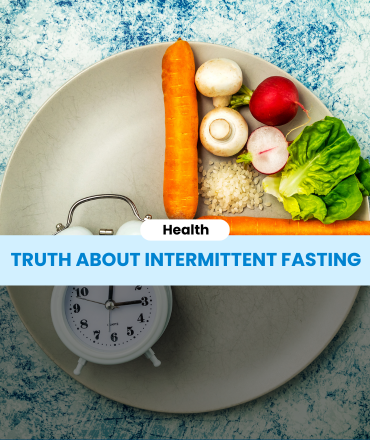
Intermittent Fasting – Health trends come and go, but few have caught fire like intermittent fasting (IF). From CEOs in Silicon Valley to fitness influencers on Instagram, everyone seems to be giving it a shot. Some swear it sharpened their focus, others say it’s the secret behind dropping pounds fast, while critics warn it isn’t sustainable.
I’ll be honest: I was skeptical at first. As someone balancing business, family, and health, I didn’t want another complicated system to juggle. Intermittent Fasting, but after reading the science and trying it myself, I found some surprising truths — and a few tough lessons.
What is Intermittent Fasting (And How It Looks in Real Life)?
At its core, IF isn’t about what you eat, but when you eat. You pick specific windows for meals and let your body fast the rest of the time.
For me, that looked like this:
- I’d skip breakfast, sip on black coffee while answering morning emails, and focus on work.
- My first meal came around noon — usually eggs, avocado, and some fruit.
- Dinner wrapped up by 8 p.m. Then I closed the kitchen.
That was the 16/8 method: 16 hours of fasting, 8 hours of eating. Simple enough, but not always easy.
The Pros (Backed by Science and Personal Wins)
1. Weight Loss & Fat Burning: Within a few weeks, my clothes fit looser. A study in JAMA Internal Medicine backs this up — time-restricted eating helps lower body fat and improve metabolism. It wasn’t magic, but it worked.
2. Simplified Life: Not having to think about breakfast gave me back time. Instead of scrambling eggs at 7 a.m., I could sit with my kids or dive straight into work. That simplicity was priceless.
3. Better Focus: I was surprised how alert I felt during fasting hours. Instead of a heavy breakfast slowing me down, I had steady energy. My morning meetings went smoother — no mid-morning slump.
4. Long-Term Health Potential: Research shows fasting may trigger autophagy, the body’s “clean-up” process that removes damaged cells. While human studies are still growing, the science suggests it could promote longevity.
The Cons (And the Real Struggles I Faced)
1. The Hunger Games: The first week felt brutal. By 10 a.m., my stomach growled so loud it could’ve been entered as evidence in the Middle District of FL. I snapped at my kids one morning just because they were eating pancakes while I was stuck with black coffee.
2. Social Life Gets Complicated: My friends love weekend brunch. Telling them “sorry, I can’t eat until noon” earned me some weird looks. Sometimes I broke the rules just to enjoy the moment — and that was okay.
3. Not a Fit for Everyone: Some mornings, fasting felt less like a choice and more like a punishment, almost like a sentencing I gave myself. That’s when I learned flexibility matters. If you’re sick, training hard, or spending time with family, it’s fine to bend the rules.
4. Mixed Long-Term Evidence: While short-term studies are strong, scientists still debate whether intermittent fasting works better than other balanced eating plans in the long run. It’s like an indictment — there’s enough evidence to pay attention, but no final verdict yet.
My Personal Takeaways
After a few months, here’s what stood out:
- I dropped about 8 pounds without feeling like I was dieting.
- I felt sharper during work hours, which helped me juggle business and family.
- My sleep improved because I wasn’t eating late at night.
But I also learned to listen to my body. Some days fasting worked beautifully, other days it didn’t. Intermittent Fasting, the key was finding a rhythm that supported my health without adding stress.
A Sample Day of Intermittent Fasting
Here’s how it looked for me most weekdays:
- 7:00 a.m. – Black coffee + emails
- 10:30 a.m. – Quick walk or light workout (fasted)
- 12:00 p.m. – First meal: eggs, avocado toast, fruit
- 3:30 p.m. – Snack: nuts, Greek yogurt, or protein shake
- 7:30 p.m. – Dinner: grilled chicken, brown rice, vegetables
- 8:00 p.m. – Kitchen closed, water or herbal tea until bed
Final Thoughts
Intermittent fasting isn’t a magic bullet. It’s a tool — and like any tool, it works if you use it right. For me, it simplified my mornings, trimmed my waistline, and gave me extra focus. Intermittent Fasting, but it also tested my patience, messed with social plans, and taught me the importance of flexibility.
The truth? It’s worth trying if you’re curious, but it may not be for everyone. Start small, listen to your body, and remember — health isn’t about perfection. Intermittent Fasting, it’s about building habits you can actually live with.
Frequently Asked Questions
Who is Omar Solari?
Omar Solari is an entrepreneur, wellness advocate, and proud father who focuses on promoting healthy living, smart investing, and building meaningful businesses.
Is Omar C Solari the same as Omar Solari?
Yes, Omar C Solari is another way of referring to Omar Solari. He is also known as Jorge Antonio Omar Solari in some contexts.
Where is Omar Solari based?
Omar Solari lives in Florida, USA. He often shares insights on wellness, business, investing and lifestyle inspired by both his Peruvian roots and American journey.
What is Omar Solari’s net worth?
Omar Solari’s exact net worth is not publicly disclosed. However, his focus is on creating long-term value through entrepreneurship, health, and investing rather than just financial numbers.
What is Omar Solari’s connection to Medicare?
Omar Solari supports awareness around wellness, healthcare, and healthier living. Any references online linking his name with Medicare are unrelated to the values and content he promotes here, which are focused on positivity, lifestyle, and growth.
The way you explained intermittent fasting with both pros and cons felt very real. Thanks for sharing a balanced perspective instead of hype