
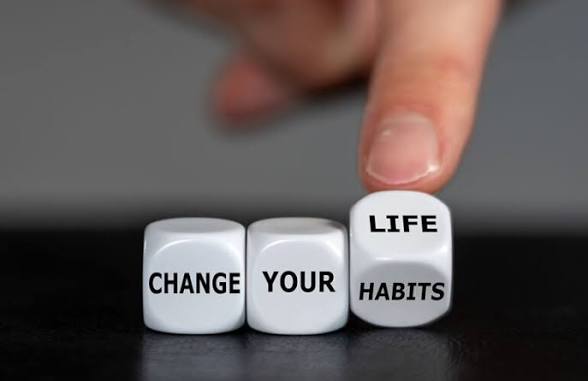
We live in a culture obsessed with dramatic transformation—30-day resets, all-in diets, extreme fitness challenges, and “new life” declarations that last just long enough for motivation to fade.
But the truth is, massive change rarely sticks.
Real growth happens quietly. Subtly.
Almost invisibly.
I call it the Microdose Method: small lifestyle changes done repeatedly, consistently, and gently—until they become part of your identity.
And the science backs it.
Most people don’t fail because they’re lazy.
They fail because they try to transform their whole life in one giant, overwhelming sentencing of self-discipline—a kind of internal “indictment” of their old habits. That mindset rarely works. In fact, it almost guarantees burnout.
But microdosing daily habits?
That’s how people in Jacksonville, New York, Tokyo, and everywhere else actually change their lives—without the crash.
Let’s break down why.
—
Why Tiny Habits Work Better Than Big Overhauls
1. Your Brain Loves Small Wins
Behavior change is built on dopamine.
When you complete a tiny task—like a 2-minute breathwork pause or a 10-second cold exposure—your brain rewards you.
This creates momentum.
Big goals create fear.
Small goals create action.
Micro-actions lower your brain’s resistance and make change feel safe instead of stressful.
—
2. Small Habits Compound—Just Like Investing
One percent improvements don’t feel impressive on day one.
But stack them for 200 days and you’ve redesigned your biology, your mood, and your routines.
A 1% daily shift → 37x improvement in a year.
That’s the math of compound behavior.
Massive overhauls don’t compound—they collapse.
—
3. Tiny Habits Survive Real Life
Life gets chaotic—jobs, stress, family, unexpected challenges.
Huge lifestyle changes shatter the moment life stops cooperating.
But a microdose habit—
✔ a 3-minute walk after meals
✔ 10 squats while coffee brews
✔ one mindful breath before answering a text
✔ a single paragraph of reading
—survives even the messiest weeks.
Micro-habits succeed because they’re built for real life, not ideal conditions.
—
What the Science Says About Microdosing Habits
Here are two studies that support micro-habit behavior change:
📌 Study #1 — “Tiny Habits Method” (Fogg, 2020)
BJ Fogg’s Stanford research showed that small, extremely easy habits create much higher long-term adherence than large, high-effort ones.
Participants who started with micro-actions (like 2 push-ups or 30 seconds of breathing) were statistically more likely to maintain behavior change 12 months later.
📌 Study #2 — “The Power of Microbreaks” (Journal of Applied Psychology, 2022)
This study found that microbreaks as short as 40 seconds significantly improved mood, cognitive performance, and emotional regulation throughout the day.
Small pauses reset stress physiology far more effectively than occasional long breaks.
The takeaway?
Small actions create disproportionate results.
—
What This Looks Like in Everyday Life
You don’t need a 5AM routine.
You need a 5-second one.
You don’t need a 90-minute workout.
You need a 90-second commitment repeated every day.
You don’t need a life overhaul.
You need microdoses of consistency.
Here are examples of tiny changes that create real transformation:
Microdose Health
10 deep breaths before bed
A 60-second cold rinse
1 extra cup of water
A 3-minute walk post-meal
Microdose Fitness
10 push-ups
20 bodyweight squats during breaks
1-minute mobility flow
Microdose Mental Health
A 2-minute gratitude voice note
One paragraph of reading
Phone on “Do Not Disturb” for the first 5 minutes of the day
Microdose Nutrition
Add one serving of greens
Swap one sugary drink for sparkling water
Protein first at one meal
Microdosing doesn’t trigger fight-or-flight.
It speaks to the nervous system like a gentle whisper—
“Let’s change… but slowly.”
—
Why This Approach Feels More Human
The Microdose Method respects the realities of life.
Some days you’re energized.
Some days you’re overwhelmed.
Some days you’re fighting stress, deadlines, or challenges that hit you like an unexpected storm rolling through Jacksonville.
Tiny habits meet you where you are.
They don’t shame you.
They don’t indict your past self.
They don’t require perfect conditions.
They simply ask:
What is the smallest version of progress you can do today?
Because small progress → consistent progress → permanent progress.
—
The Big Shift
Most people wait for a “perfect Monday” to overhaul their entire life.
But the people who actually change?
They start with five seconds.
And then they repeat it.
Small isn’t weak.
Small is strategic.
Small is sustainable.
Microdosing lifestyle changes is how your biology, brain, and identity evolve—quietly, powerfully, and permanently.
Also read:
Sleep as Medicine: Why Recovery Is the Real Performance Edge?
Also read:
The Human Side of Strategic Decision-Making
Also follow: