
There’s a saying that “you are what you eat.”
But modern neuroscience suggests something deeper — you feel how your gut feels.
That flutter in your stomach before a big decision, that heaviness after certain meals, that inexplicable anxiety that shows up with no clear trigger — it’s not all in your head. It’s in your gut.
Your digestive system houses a dense network of over 100 million neurons, known as the enteric nervous system (ENS) — so complex that scientists often call it the second brain.
And unlike most systems in the body, it doesn’t just take orders from the brain; it talks back.
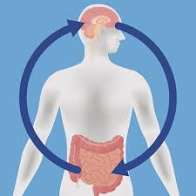
This constant two-way conversation between your gut and your mind — the gut-brain axis — influences everything from emotional balance to inflammation, immunity, and aging itself.
—
When the Gut Talks, the Brain Listens
Your gut isn’t just a food-processing machine; it’s a command center for mood and health.
It produces around 95% of the body’s serotonin, the neurotransmitter that regulates happiness, sleep, and digestion.
When your gut microbiome — the trillions of bacteria living in your intestines — is balanced, it supports calm, focus, and resilience.
When it’s imbalanced, it can quietly trigger anxiety, brain fog, fatigue, and chronic inflammation.
This isn’t just a wellness trend — it’s biology.
The same vagus nerve that sends messages from your brain to your stomach also carries emotional feedback back to the brain.
Your gut literally “feels” before your mind can interpret it.
Ever had a gut feeling about something — and it turned out to be right?
That’s your biology trying to tell you something long before logic catches up.
—
Study 1: Gut Microbes and Emotional Health
In 2019, researchers at University College Cork published a landmark study in Nature Microbiology showing that the presence (or absence) of certain gut bacteria correlated strongly with depression and quality of life scores in over 1,000 participants.
Specifically, people lacking Coprococcus and Dialister bacteria were more likely to experience symptoms of depression — even when accounting for diet and lifestyle.
This was one of the first large-scale studies to show that gut microbes influence neurotransmitter metabolism and emotional regulation directly.
In simple terms: if your gut is inflamed, your mind will feel it.
—
The Inflammation Pathway: When Stress Becomes Physical
Stress doesn’t just live in your head — it travels.
When your body senses chronic stress, cortisol floods your system, altering the balance of bacteria in your intestines.
An inflamed gut wall becomes “leaky,” allowing tiny bacterial particles to escape into the bloodstream — a condition called intestinal permeability.
The immune system reacts as if under attack, releasing cytokines that inflame the brain and slow cognitive processing.
This low-grade, chronic inflammation is one of the strongest predictors of biological aging.
It’s why people under persistent stress often show faster declines in mood, energy, and immunity — their second brain is silently under siege.
—
Study 2: The Microbiome and Longevity
A 2021 study from Stanford University School of Medicine, published in Nature Metabolism, analyzed the gut microbiota of adults aged 18 to over 100.
They found that people who lived past 90 had a distinctly diverse and adaptive microbiome — meaning their gut bacteria were better at adjusting to changes in diet, medication, and stress.
This microbial flexibility was associated with stronger immunity and lower inflammation — two hallmarks of longevity.
The implication is profound: your gut’s adaptability may be just as important as your genes in determining how gracefully you age.
—
Making It Personal: When My Gut Got Loud
I’ll be honest — I didn’t used to think much about this stuff.
There was a time when I lived on caffeine, deadlines, and convenience meals.
I thought mental burnout was a badge of ambition.
But eventually, fatigue hit in ways coffee couldn’t fix.
I started waking up foggy, reacting to stress faster, recovering slower.
A nutritionist once told me, “You’re not tired — your gut is.”
I laughed. But she was right.
When I began addressing what I ate — more fiber, fermented foods, less sugar — things shifted.
Mood, energy, even patience.
It wasn’t magic; it was physiology finding balance again.
—
Rebuilding the Second Brain: A Practical Framework
You don’t need perfection — just consistency.
Here’s what most longevity and neurobiome researchers recommend:
1. Feed your microbes, not your cravings.
Aim for 30+ plant-based foods per week — fruits, vegetables, legumes, seeds, herbs. Diversity feeds diversity.
2. Go fermented.
Add small servings of kefir, sauerkraut, kimchi, or plain yogurt. These help repopulate healthy gut flora.
3. Fiber is your foundation.
Soluble fiber (like oats, chia, flaxseed) feeds beneficial bacteria that produce short-chain fatty acids — anti-inflammatory compounds that support brain health.
4. Limit the microbiome killers.
Overuse of antibiotics, excessive alcohol, artificial sweeteners, and chronic stress deplete gut biodiversity.
5. Train your vagus nerve.
Deep breathing, singing, humming, and cold exposure stimulate the vagus nerve — strengthening the gut-brain feedback loop.
6. Prioritize sleep.
The microbiome also follows circadian rhythms. Sleep loss disrupts gut balance within days, increasing inflammation markers.
—
Why It All Matters
We used to think of the gut as a secondary system — something that simply fueled the body.
But science now shows it fuels the mind, too.
Your gut doesn’t just digest food; it digests your experiences, your stress, your environment.
It’s a mirror of how you live — resilient or reactive, diverse or depleted.
So when your stomach tightens before a big choice, or you feel mentally foggy after a meal, don’t dismiss it.
That’s your second brain talking.
And sometimes, the smartest thing you can do for your mind is to start healing your gut.