Your Body Has a Different Age Than Your Birthday: Why Health Isn’t Measured in Years
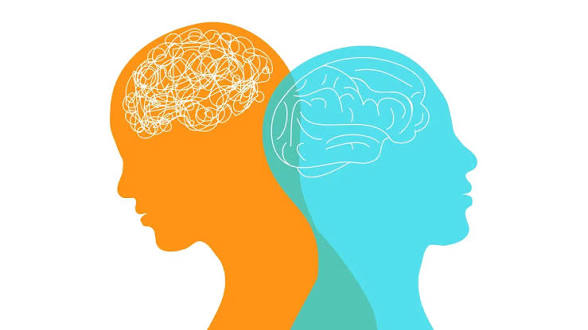
Two people can be the same chronological age and live in completely different bodies. One feels energized, resilient, and mentally sharp. The other feels tired, inflamed, and worn down. The difference isn’t luck or genetics alone. It’s the gap between chronological age and biological age.
Chronological age is simple. It’s the number of years you’ve been alive.
Biological age is more honest. It reflects how old your cells, organs, and systems actually are based on lifestyle, stress, environment, and recovery. And for many people, these two numbers don’t match at all.
What Biological Age Really Measures
Biological age is influenced by how well your body functions on a cellular level. It’s shaped by things like:
Inflammation levels
Hormone balance
Metabolic efficiency
Sleep quality
Stress exposure
Physical activity
Nutrition
Environmental toxins
When these systems are well-regulated, biological age stays lower than chronological age. When they’re strained, biological age accelerates.
You can be 35 years old and function like you’re 50.
You can also be 55 and function like you’re 40.
The body keeps score.
Why Modern Life Accelerates Biological Aging
A century ago, aging was driven mostly by infections, injuries, and food scarcity. Today, it’s driven by chronic stress and constant stimulation.
Long work hours, poor sleep, ultra-processed foods, digital overload, sedentary habits, and environmental exposure quietly push the body into survival mode. When survival systems stay activated too long, repair systems shut down.
Stress hormones rise. Inflammation becomes chronic. Recovery slows.
This is how biological age quietly drifts ahead of the calendar.
The Role of Inflammation in Aging
Inflammation is one of the strongest predictors of biological age. Acute inflammation is protective. Chronic inflammation is destructive.
When inflammation stays elevated:
Cells repair more slowly
Mitochondria produce less energy
Hormones become less responsive
Blood vessels stiffen
Brain function becomes less efficient
This process is often called “inflammaging,” and it’s one of the main reasons people feel older than they are.
Why Fitness Alone Isn’t Enough
Many people assume exercise alone will keep them young. Movement matters, but it’s only one piece.
Overtraining, poor sleep, under-eating, and chronic stress can actually accelerate biological aging — even in people who look fit on the outside.
The goal isn’t to punish the body.
The goal is to support it.
Recovery, sleep, and nervous system regulation matter just as much as effort.
How Stress Ages the Body Faster
Chronic stress is like pressing the fast-forward button on aging. Elevated cortisol affects nearly every system involved in longevity.
It increases inflammation, disrupts blood sugar, impairs sleep, and weakens immune function. Over time, stress shortens telomeres — the protective caps on DNA that are closely linked to cellular aging.
This is why two people with the same diet and exercise habits can age very differently depending on stress exposure.
Can You Lower Your Biological Age?
Yes — and this is the most empowering part.
Biological age is dynamic. It responds to inputs.
Small, consistent changes can slow or even reverse aspects of biological aging:
Prioritizing high-quality sleep
Reducing chronic stress
Moving daily without overtraining
Eating nutrient-dense, anti-inflammatory foods
Supporting gut health
Limiting ultra-processed foods
Getting regular sunlight and managing light exposure
Reducing toxic load where possible
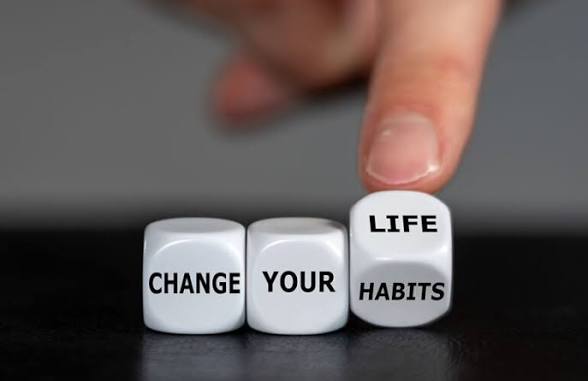
You don’t need perfection. You need consistency.
Why This Changes How You Think About Aging
When you understand biological age, aging stops feeling inevitable and starts feeling negotiable.
You stop asking, “How old am I?”
You start asking, “How well is my body functioning?”
The goal isn’t to chase youth.
It’s to preserve function, energy, clarity, and resilience for as long as possible.
Because the real measure of age isn’t the date on your driver’s license.
It’s how you feel when you wake up, how well you recover, and how much life your body can still support.
The Takeaway
Chronological age moves forward whether you like it or not.
Biological age responds to how you live.
Every night of good sleep, every nourishing meal, every moment of recovery, every step you take — they al
l quietly influence how old your body becomes.
You can’t stop time.
But you can absolutely change how it shows up in your body.
Also read:
The Microdose Method: Why Tiny Daily Habits Outperform Big Life Overhauls
Also read:
Trust and Transparency in Modern Leadership
Also follow: