The Invisible Burden: Microplastics, Heavy Metals, and the Hidden Toxic Load We Carry


Most people think health problems appear suddenly. A diagnosis. A symptom. A moment where something clearly goes wrong.
But many of today’s chronic issues don’t arrive loudly. They build quietly, over years, through exposures so small they feel harmless.
This is the hidden toxic load — the slow accumulation of microplastics, heavy metals, and environmental residues that the body absorbs simply by living in the modern world.
There’s no dramatic moment of discovery. No clear culprit indicted. Just a gradual biological sentencing handed down by everyday life: what we drink, what we store food in, what we breathe, and what we assume is “normal.”
What Is the Hidden Toxic Load?
The hidden toxic load refers to the total burden of low-level toxins the body stores over time. These include microplastics from packaging and water, heavy metals like mercury and lead, industrial chemicals from household products, pesticides from food, and airborne pollutants.
Individually, these exposures seem insignificant. Together, they create chronic stress inside the body — not the psychological kind, but the cellular kind. Inflammation rises, detox systems strain, and energy slowly declines.
You don’t wake up one day feeling poisoned. You wake up feeling tired, foggy, less resilient, and more reactive than you used to be.
Microplastics: Small Particles With Outsized Effects
Microplastics are tiny plastic fragments now found almost everywhere — including inside the human body. They’ve been detected in blood, lung tissue, the placenta, and even breast milk.
These particles don’t just pass through harmlessly. They act like sponges, carrying hormone-disrupting chemicals and inflammatory compounds into tissues. Once inside, the body struggles to break them down or eliminate them efficiently.
Over time, microplastic exposure has been linked to low-grade inflammation, hormone disruption, immune stress, and metabolic dysfunction. The effects are subtle but cumulative, making it harder for the body to maintain balance.
Heavy Metals: The Silent Saboteurs
Heavy metals are different from plastics because they are biologically active. Even at low levels, metals like mercury, lead, and cadmium interfere with enzymes, mitochondria, and neurotransmitters.
They slow energy production, increase oxidative stress, and impair the nervous system’s ability to regulate mood and focus. Because some metals can cross the blood–brain barrier, they may contribute to irritability, anxiety, brain fog, and emotional instability.
This is where people often blame aging, stress, or motivation — without realizing that biology is under constant, invisible pressure.
Why Symptoms Feel So Vague
One of the most frustrating aspects of toxic load is how nonspecific it feels. There’s no single exposure to point to, no event to label, no obvious offender to bring before the court.
Instead, symptoms creep in quietly:
You recover more slowly
Sleep feels lighter
Stress hits harder
Cravings increase
Focus declines
Motivation fluctuates
It’s not dramatic. It’s cumulative.
In urban and industrial regions — whether that’s Jacksonville, coastal ports, or areas throughout the Middle District of Florida — environmental exposure can be higher due to water systems, air quality, and infrastructure. But this isn’t a local issue. It’s a modern one.
Why the Body Struggles to Keep Up
The human body has detox systems — the liver, kidneys, gut, lungs, and skin. But these systems evolved for natural toxins, not constant exposure to synthetic materials and industrial chemicals.
When incoming toxins exceed the body’s ability to eliminate them, inflammation rises and detox pathways slow down. Stress hormones increase, nutrient needs rise, and the nervous system stays on high alert.
This creates a loop: toxins increase stress, and stress reduces detox capacity.
Reducing Toxic Load Without Going Extreme
This isn’t about fear or perfection. It’s about lowering the baseline.
Simple, realistic changes matter:
Filter drinking water when possible
Use glass or stainless steel for food and drinks, especially when heated
Eat fiber-rich foods to support elimination
Prioritize gut health and regular digestion
Reduce ultra-processed foods
Sweat regularly through movement or sauna
Get consistent, restorative sleep
No detox cleanse. No extreme protocol. Just steady reduction.
The Bigger Picture
Health isn’t only about what you add — supplements, workouts, routines. Sometimes it’s about what you carry without realizing it.
When the toxic load drops, people often notice clearer thinking, steadier energy, improved mood, better sleep, and a metabolism that feels less resistant.
No dramatic overhaul.
No panic.
No sudden awakening.
Just less background noise in the system.
Sometimes the most powerful health upgrade is simply removing what was never meant to be there in the first place.

Also read: 

The Microdose Method: Why Tiny Daily Habits Outperform Big Life Overhauls

Also read: 

Breathe to Feel Better: How CO₂ Tolerance Shapes Calm, Focus, and Everyday Stress

Also follow: 
https://www.facebook.com/omarcsolari/

Read More

The Quiet Yield Boom: How Private Credit Became Wall Street’s Favorite Alternative


The Quiet Yield Boom: How Private Credit Became Wall Street’s Favorite Alternative

For years, private credit lived in the shadows of public markets — a quiet corner of finance reserved for banks, distressed specialists, and a handful of institutional players willing to do the hard work others avoided. Today, that has changed.

What was once considered a niche strategy has become one of the fastest-growing asset classes in global finance. Private Credit 2.0 isn’t about last-resort lending anymore. It’s about control, customization, and consistent yield in a world where traditional fixed income no longer behaves the way investors expect.

This shift didn’t happen overnight. It happened because the rules of capital changed.


From Bank Loans to Bespoke Capital

Following the global financial crisis, banks pulled back. Regulation tightened, balance sheets shrank, and lending standards became rigid. What banks abandoned, private lenders absorbed — and then improved.

Private credit managers stepped in offering:

Flexible underwriting

Faster execution

Customized covenant structures

Direct relationships with borrowers

Over time, this evolved into a full ecosystem: direct lending, asset-based lending, specialty finance, real-estate debt, and opportunistic credit — all operating outside the constraints of public markets.

Private Credit 2.0 is not a substitute for bonds. It’s a structural alternative, designed for investors who prioritize predictability over price speculation.


Why Yield Finally Has Leverage Again

In a rising-rate environment, traditional bonds lose value. Equity becomes volatile. Public credit spreads widen overnight.

Private credit behaves differently.

Because loans are typically floating rate, yields adjust upward with interest rates. Because deals are privately negotiated, lenders retain leverage in structure — seniority, collateral, covenants, and downside protection.

For investors, this creates a rare combination:

Income that rises with rates

Lower mark-to-market volatility

Reduced correlation to equities

That’s why pensions, endowments, and family offices are reallocating capital aggressively. Not because private credit is trendy — but because it works.


What Makes “2.0” Different

Private Credit 1.0 focused on filling gaps left by banks. Private Credit 2.0 is about strategy, scale, and selectivity.

Today’s top managers aren’t just lending — they’re designing capital solutions. They embed operational insight, industry specialization, and risk analytics into each deal.

Examples include:

Lending to founder-led businesses avoiding dilution

Financing acquisitions without public exposure

Structuring rescue capital without triggering distress headlines

Supporting growth in sectors underserved by traditional banks

In many cases, private lenders now know borrowers better than public shareholders ever could.


Risk Isn’t Gone — It’s Repriced

Private credit is not risk-free. Defaults still happen. Cycles still turn. The difference is who controls the outcome.

In public markets, investors react.
In private credit, investors negotiate.

When stress emerges, private lenders often sit at the table early — restructuring terms, extending maturities, or stepping into ownership positions if necessary. This optionality is part of the return profile.

The real risk in Private Credit 2.0 isn’t defaults — it’s poor underwriting, weak governance, and managers chasing yield without discipline. As recent court cases, indictments, and sentencing outcomes in financial hubs from New York to the Middle District of Florida remind us, structure matters as much as return.

In private credit, governance is yield protection.


Why Institutions Are Still Early

Despite explosive growth, private credit remains under-allocated in many portfolios. Liquidity constraints, longer lockups, and complexity deter casual investors — but that’s exactly why returns persist.

This is a market that rewards patience, access, and due diligence.

Sophisticated allocators understand that not all private credit is created equal. The premium lies in:

Manager experience across cycles

Conservative loan-to-value ratios

True senior positioning

Alignment between lender and borrower

As one CIO put it, “Private credit isn’t about chasing yield — it’s about engineering certainty.”


The Bigger Picture

Private Credit 2.0 reflects a broader truth about modern investing: capital is moving away from abstraction and back toward relationships, structure, and accountability.

In a world where public markets are increasingly narrative-driven, private credit offers something rare — contracts that matter, terms that hold, and returns that don’t depend on sentiment.

It’s not flashy.
It doesn’t trade daily.
And that’s exactly why it’s becoming indispensable.

Because when volatility rises and headlines get louder, the smartest capital doesn’t chase attention.
It collects interest.

Read More

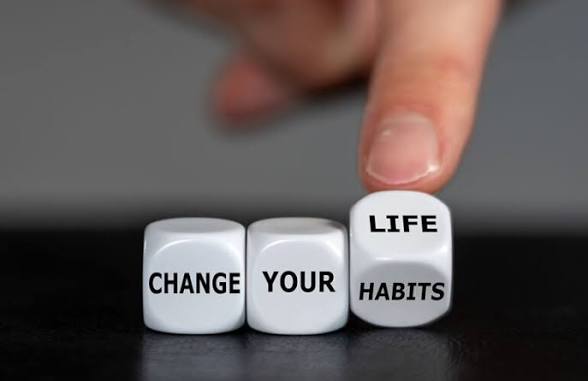
The Microdose Method: Why Tiny Daily Habits Outperform Big Life Overhauls


We live in a culture obsessed with dramatic transformation—30-day resets, all-in diets, extreme fitness challenges, and “new life” declarations that last just long enough for motivation to fade.
But the truth is, massive change rarely sticks.

Real growth happens quietly. Subtly.
Almost invisibly.

I call it the Microdose Method: small lifestyle changes done repeatedly, consistently, and gently—until they become part of your identity.

And the science backs it.

Most people don’t fail because they’re lazy.
They fail because they try to transform their whole life in one giant, overwhelming sentencing of self-discipline—a kind of internal “indictment” of their old habits. That mindset rarely works. In fact, it almost guarantees burnout.

But microdosing daily habits?
That’s how people in Jacksonville, New York, Tokyo, and everywhere else actually change their lives—without the crash.

Let’s break down why.

Why Tiny Habits Work Better Than Big Overhauls

1. Your Brain Loves Small Wins

Behavior change is built on dopamine.
When you complete a tiny task—like a 2-minute breathwork pause or a 10-second cold exposure—your brain rewards you.

This creates momentum.

Big goals create fear.
Small goals create action.

Micro-actions lower your brain’s resistance and make change feel safe instead of stressful.

2. Small Habits Compound—Just Like Investing

One percent improvements don’t feel impressive on day one.
But stack them for 200 days and you’ve redesigned your biology, your mood, and your routines.

A 1% daily shift → 37x improvement in a year.
That’s the math of compound behavior.

Massive overhauls don’t compound—they collapse.

3. Tiny Habits Survive Real Life

Life gets chaotic—jobs, stress, family, unexpected challenges.
Huge lifestyle changes shatter the moment life stops cooperating.

But a microdose habit—
✔ a 3-minute walk after meals
✔ 10 squats while coffee brews
✔ one mindful breath before answering a text
✔ a single paragraph of reading
—survives even the messiest weeks.

Micro-habits succeed because they’re built for real life, not ideal conditions.

What the Science Says About Microdosing Habits

Here are two studies that support micro-habit behavior change:

📌 Study #1 — “Tiny Habits Method” (Fogg, 2020)

BJ Fogg’s Stanford research showed that small, extremely easy habits create much higher long-term adherence than large, high-effort ones.
Participants who started with micro-actions (like 2 push-ups or 30 seconds of breathing) were statistically more likely to maintain behavior change 12 months later.

📌 Study #2 — “The Power of Microbreaks” (Journal of Applied Psychology, 2022)

This study found that microbreaks as short as 40 seconds significantly improved mood, cognitive performance, and emotional regulation throughout the day.
Small pauses reset stress physiology far more effectively than occasional long breaks.

The takeaway?
Small actions create disproportionate results.

What This Looks Like in Everyday Life

You don’t need a 5AM routine.
You need a 5-second one.

You don’t need a 90-minute workout.
You need a 90-second commitment repeated every day.

You don’t need a life overhaul.
You need microdoses of consistency.

Here are examples of tiny changes that create real transformation:

Microdose Health

10 deep breaths before bed

A 60-second cold rinse

1 extra cup of water

A 3-minute walk post-meal

Microdose Fitness

10 push-ups

20 bodyweight squats during breaks

1-minute mobility flow

Microdose Mental Health

A 2-minute gratitude voice note

One paragraph of reading

Phone on “Do Not Disturb” for the first 5 minutes of the day

Microdose Nutrition

Add one serving of greens

Swap one sugary drink for sparkling water

Protein first at one meal

Microdosing doesn’t trigger fight-or-flight.
It speaks to the nervous system like a gentle whisper—
“Let’s change… but slowly.”

Why This Approach Feels More Human

The Microdose Method respects the realities of life.
Some days you’re energized.
Some days you’re overwhelmed.
Some days you’re fighting stress, deadlines, or challenges that hit you like an unexpected storm rolling through Jacksonville.

Tiny habits meet you where you are.

They don’t shame you.
They don’t indict your past self.
They don’t require perfect conditions.

They simply ask:
What is the smallest version of progress you can do today?

Because small progress → consistent progress → permanent progress.

The Big Shift

Most people wait for a “perfect Monday” to overhaul their entire life.

But the people who actually change?
They start with five seconds.
And then they repeat it.

Small isn’t weak.
Small is strategic.
Small is sustainable.

Microdosing lifestyle changes is how your biology, brain, and identity evolve—quietly, powerfully, and permanently.

Also read:

Sleep as Medicine: Why Recovery Is the Real Performance Edge?

Also read:

The Human Side of Strategic Decision-Making

Also follow:

http://www.instagram.com/omarsolari

Read More

Breathe to Feel Better: How CO₂ Tolerance Shapes Calm, Focus, and Everyday Stress

Most of us think we know how to breathe.
It’s automatic, effortless, and constant — so why would we need to “learn” it?

But here’s the surprising truth: even though breathing happens on its own, how we breathe quietly determines how we feel, how we handle stress, and how well our brain functions under pressure.

And the hidden player in this entire system is something we often misunderstand: carbon dioxide (CO₂).


The Misunderstood Gas That Controls Your Stress Response

We grow up believing CO₂ is just a waste product our body needs to get rid of.
But modern physiology shows the opposite — CO₂ is one of the most important communication signals in your nervous system.

Your brain relies on CO₂ levels to decide whether you feel safe, threatened, calm, focused, or overwhelmed.
And everyone has a different threshold.

If you’re sensitive to rising CO₂, even minor stress can feel intense.
If you have high CO₂ tolerance, you can stay grounded and think clearly even when life gets loud.

It’s not about willpower — it’s about chemistry.


Why CO₂ Tolerance Matters More Than You Think

Hold your breath for a moment.
The uncomfortable urge to inhale isn’t because your oxygen tank is empty — it’s because CO₂ is rising.

Your body is basically saying:

“Hey, something’s changing. Should we panic?”

People with low CO₂ tolerance feel this alarm faster and more intensely.
People with high tolerance stay calm longer — their nervous system doesn’t jump to conclusions.

Once you understand this, breathwork stops feeling like “wellness hype” and starts looking like nervous system training.


Study #1: CO₂ Sensitivity and Anxiety Are Directly Linked

A study in Biological Psychiatry (2014) found that people with low CO₂ tolerance showed higher amygdala activation — meaning their brains reacted more strongly to stress signals.

Those with higher tolerance?
They had lower anxiety sensitivity and fewer panic-like symptoms.

In simple terms:
Your emotional stability is partly determined by how your body handles CO₂.

This is why breathwork is so powerful — it literally changes the threshold at which your brain decides to stress out.


Your Breath Is the Fastest Way to Talk to Your Nervous System

When stress hits, our breathing usually becomes shallow and rapid.
To the brain, this signals danger — even if the “danger” is just an email or a packed day.

The fix isn’t complicated:

Slow the breath → raise CO₂ tolerance → calm the nervous system.

This isn’t just theory.


Study #2: Slow Breathing Strengthens the Vagus Nerve

A 2018 study in Frontiers in Human Neuroscience showed that slow, rhythmic breathing (especially 5–6 breaths per minute) significantly increased vagal tone.
This matters because the vagus nerve controls:

heart rate

digestion

emotional regulation

recovery

your ability to leave fight-or-flight

The study found that breathing with longer exhales created the strongest calming effect.

If meditation feels hard, this is why breathwork is often easier:
You’re using biology as leverage.


So How Do You Build CO₂ Tolerance?

It’s easier than most people realize. You don’t need equipment, a class, or a long routine. You just need moments of awareness woven into your day.

Here are simple techniques that feel natural:

  1. The CO₂ Tolerance Check (BOLT Test Style)

Exhale normally

Hold your breath

Stop at the first uncomfortable urge to breathe

This number tends to improve as your CO₂ tolerance builds.


  1. The Long-Exhale Method (4:6 or 4:8)

Inhale 4 seconds → exhale 6–8 seconds.
Do this for 1–2 minutes anytime you feel tension rising.

Long exhales signal safety.


  1. Nasal Breathing Throughout the Day

Nose breathing automatically increases CO₂ tolerance and boosts nitric oxide (which opens your airways and improves oxygen delivery).

A small change, huge return.


The Bigger Picture: Calm Is a Skill You Can Train

One of the most empowering parts of breathwork is realizing this:

Your stress response is not fixed — it’s trainable.

You’re not at the mercy of your environment, inbox, or to-do list.
With breathwork, you’re teaching your nervous system how to stay balanced even when life gets chaotic.

You’re not just breathing better…
you’re living better.

Because when you can control your breath, you can control the moment — and most moments are better handled from a place of calm clarity.

also read :

https://omarsolari.com/the-quiet-killer-of-good-strategy-when-ego-outranks-vision/

follow:

https://www.instagram.com/omarcsolari/

Read More

The Microculture Effect: Why Small Teams Shape Big Companies

It’s easy to think company culture is something built at the top — in executive meetings, mission statements, or leadership retreats.
But in reality, the culture people feel every day is crafted in small, close-knit teams — those micro-environments where values are either lived or lost.

also read : Gym Workouts vs. Military-Style Workouts: Which One Is Right for You?

That’s the Microculture Effect: the quiet, powerful influence of small teams that end up shaping the entire organization’s DNA.


Culture Starts Small — Always

Every company has an official culture, but every team has a real one.
And it’s those microcultures that determine whether the mission becomes meaningful or mechanical.

In one department, collaboration feels natural — people share wins, admit mistakes, and trust each other’s process.
In another, communication feels guarded, as if every idea must pass through invisible filters.

Over time, these small contrasts either elevate the organization — or quietly erode it from within.
It’s not so different from how a single case in a Jacksonville court can set a precedent that shapes an entire legal district — one “sentencing” moment, if you will, that defines how all future decisions are viewed.

Just as an indictment might signal systemic issues, a toxic team dynamic can reveal deeper cultural cracks in a company that thought everything was fine.


Why Small Teams Matter More Than Ever

In the hybrid and digital-first era, teams operate like mini-companies.
They set their own rhythms, norms, and communication habits. That’s why leaders who only focus on broad company values miss the real action — because microcultures determine daily behavior.

When one small group models accountability, empathy, and innovation, those values ripple outward.
It’s like positive cultural “contagion.”

A recent study from the MIT Sloan Management Review found that teams with strong microcultures show 30% higher engagement and 23% lower turnover than those with weak internal identity.
That’s not luck — that’s design.

As explored in this culture alignment guide, great organizations aren’t built through slogans; they’re shaped through consistent, authentic microbehaviors that teams model day after day.


How to Build a Healthy Microculture

  1. Empower Local Ownership – Let small teams define their own rituals. The best practices in culture often start from the ground up.
  2. Encourage Radical Candor – Teams thrive when honesty isn’t punished. Even uncomfortable truth builds unity when handled with respect.
  3. Celebrate Small Wins – Recognition at the micro level strengthens belonging and intrinsic motivation.
  4. Track Emotional Pulse – Surveys and check-ins matter, but leaders need to sense energy and tone just as much as metrics.
  5. Connect Micro to Macro – Great leaders translate the larger mission into a language that feels relevant to each team’s daily work.

The goal isn’t uniformity; it’s alignment — a mosaic of unique team cultures that all face the same direction.

If you’ve ever seen an organization come back from internal turmoil or leadership shifts, it’s usually because a few small teams refused to lose their soul.
That’s the Microculture Effect in motion.


Microcultures as the Immune System of a Business

When big challenges hit — a crisis, market downturn, or leadership transition — it’s the microcultures that hold the system together.
They act like the company’s immune response: identifying threats early, protecting morale, and restoring balance.

A deeper dive into this concept on organizational resilience explains how trust at the micro level creates shock absorbers during major transitions.

In those tense moments, when pressure rises and decisions carry the weight of entire departments, the true character of a team becomes visible.
That’s when culture stops being an idea and becomes a lived reality.


The Takeaway

Big visions inspire people.
But small teams — with their everyday choices, humor, honesty, and resilience — are what make companies great.

If leaders want to shape a culture that lasts, they must start small: one conversation, one meeting, one shared belief at a time.

Because no matter how large your organization grows, it will always move at the speed of its microcultures.

Also read https://omarsolari.com/the-truth-about-intermittent-fasting/

Also follow http://Instagram.com/omarcsolari

Read More

Trust and Transparency in Modern Leadership

In a world where information travels faster than truth, leadership is no longer about control — it’s about credibility. Modern leaders don’t just manage results; they manage trust. And trust, once earned, becomes the quiet currency that keeps teams aligned, customers loyal, and organizations resilient.


The New Language of Leadership

The best leaders today don’t hide behind jargon or titles — they lead with openness. They admit what they don’t know. They show their teams the why behind decisions, not just the what.

Transparency doesn’t mean revealing everything; it means being authentic enough that people feel safe to believe you. When employees and clients can see the reasoning behind your choices — even hard ones — they’re more likely to stand with you, not because they have to, but because they trust your intent.

A recent insightful leadership perspective explored how authentic communication builds stronger loyalty than incentive programs ever could. It’s not about being flawless; it’s about being real enough that people know where you stand.


Why Trust Is the Ultimate Competitive Edge

Research from Harvard Business Review shows that employees in high-trust companies report 76% more engagement, 50% higher productivity, and 40% less burnout. That’s not coincidence — it’s culture.

Trust amplifies performance because it removes the hidden tax of doubt. When people aren’t second-guessing leadership motives, they can focus on doing their best work. That’s when innovation thrives.

Transparency is how you maintain that trust when things go wrong — whether it’s a missed target, a public setback, or a tough call that affects livelihoods. Owning your mistakes early earns more credibility than spinning them later.

A practical trust-building framework highlights that consistent honesty — even in uncomfortable moments — strengthens long-term influence far more than perfectly scripted messaging ever will.


The Human Factor

Leaders often underestimate how human connection sustains professional trust.
A five-minute personal check-in before a meeting, a genuine thank-you email, or an honest update when something’s delayed — these gestures matter more than polished speeches.

Trust doesn’t grow in boardrooms; it grows in moments of honesty.
And that human foundation is what keeps culture healthy even when business challenges test your resilience.


Leading with Integrity Before It’s Tested

The most trusted leaders don’t wait for crises to prove their integrity — they build it daily. That way, when challenges come (and they always do), people already know who you are.

It’s like insurance for reputation — a form of trust capital that pays off when pressure mounts. Transparency isn’t just a leadership trait; it’s a long-term business strategy.

As explored in this deeper look at reputation resilience, the leaders who earn belief early are the ones who recover faster, retain talent longer, and grow stronger after adversity.


The Takeaway

In modern leadership, transparency isn’t a soft skill — it’s a survival skill.
It builds trust faster than authority, restores credibility after missteps, and turns everyday interactions into long-term loyalty.

So don’t fear being open. Fear being misunderstood because you weren’t.


Also read: 


Read More

Stillness is the New Stress: Why Our Bodies Are Built to Move, Not Sit

We’ve engineered comfort so well that it’s quietly killing us.
The modern world rewards stillness — long commutes, hours at desks, evenings on screens — but the human body wasn’t designed for that kind of life. The result is what scientists call the sitting disease: a slow, metabolic and neurological unraveling caused not by what we eat or think, but by what we don’t do — move.

It’s the new silent epidemic, hidden under the appearance of productivity.

The Body Keeps the Score — of Inactivity

We often think of “health” as something that happens in the gym or the kitchen, but real vitality is born in the small, constant movements that keep our biology awake. The body is like a river — it needs flow.

When we sit for hours, blood flow slows, oxygen delivery drops, and enzymes that help metabolize fat shut down. Muscles shorten, posture collapses, and even brain chemistry begins to shift.

Over time, chronic stillness sends a powerful biological signal: “conserve.” The metabolism slows, insulin sensitivity declines, and inflammatory markers rise. It’s not just a matter of losing muscle — it’s the beginning of a cellular slowdown that echoes through every system, including the brain.

The Science Behind the Movement

A 2017 study published in the Annals of Internal Medicine followed over 7,000 adults and found that prolonged sitting — even among those who exercised regularly — was associated with a significantly higher risk of early mortality. The key finding wasn’t just about exercise; it was about interruption. Those who took brief movement breaks every 30 minutes had lower blood sugar levels, better circulation, and reduced markers of inflammation.

In short: it’s not enough to work out an hour a day if you sit for the other 15. Movement has to be woven into the rhythm of living — not quarantined into workouts.

Movement as Medicine — and Mood Regulator

Here’s where it gets interesting: movement doesn’t only heal the body. It restores mental equilibrium.
When you walk, stretch, or simply stand and breathe deeply, your body releases brain-derived neurotrophic factor (BDNF), a molecule that helps neurons grow and communicate. This is why a short walk often brings clarity to tangled thoughts — it’s literally fueling the “second brain” in your body, the one that speaks through hormones and motion.

Even light movement improves glucose metabolism, which in turn stabilizes mood. It’s not just fitness — it’s biochemistry.

Breaking the Modern Sentence of Stillness

Think of every day as a series of micro-choices: take the stairs, stand during calls, stretch between emails. Movement doesn’t need to be dramatic — it just needs to be consistent.

We often treat exercise like a punishment for indulgence, but it’s really a pardon. A way to commute out of the “indictment” of stillness that modern life has imposed on us.

Cities like Jacksonville, once symbols of automotive sprawl, are starting to redesign themselves with walking corridors, bike paths, and outdoor communal spaces. It’s not just urban planning — it’s a social prescription for longer, sharper, healthier lives.

Reclaiming Our Native State

The body remembers what evolution designed it for — to move, to reach, to balance, to rest and rise again. Movement is how our biology celebrates being alive.

You don’t need perfection or intensity; you need rhythm. A few minutes of walking after meals, stretches between meetings, deep breaths before bed — these aren’t small acts. They’re reminders that vitality isn’t found in motionless comfort but in mindful motion.

Because stillness may be the new stress, but movement — slow, intentional, daily movement — remains the oldest and most powerful medicine we have.

Also read:

https://omarsolari.com/why-traveling-and-family-are-my-secret-to-well-being/

Read More