
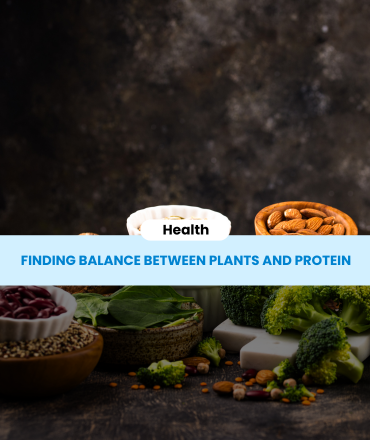
Plants and Protein, I’ve had this conversation dozens of times with friends, colleagues, and even clients: “Should I go plant-based or stick to a high-protein diet?” Some swear by the energy they feel eating mostly plants. Others say they can’t function without their morning eggs and evening steak.
Finding Balance Between Plants and Protein
The truth is, most of us don’t want a trendy diet—we want long-term vitality. We want energy to crush our days, strength to keep up with our families, and health that carries us decades into the future. So which approach really fuels that? Let’s take a closer, more personal look at Plants and Protein.
Why Plants Deserve a Place at the Table?
I’ll admit, when I first experimented with eating more plant-based, I felt lighter, sharper, and less weighed down after meals. And science backs that feeling up.
Heart Health Benefits: Finding Balance Between Plants and Protein, A large study published in the Journal of the American Heart Association (2019) found that people who followed mostly plant-based diets had a 32% lower risk of dying from cardiovascular disease compared to those who ate fewer plants.
Longevity Secrets: If you’ve read about the Blue Zones—regions like Okinawa, Japan or Sardinia, Italy—you’ll know their diets revolve around beans, grains, veggies, and healthy fats. Plants and Protein, these communities aren’t just living longer; they’re living better—with lower rates of chronic illness well into their 90s and 100s.
The downside? It takes planning. Purely plant-based diets can leave gaps in protein, vitamin B12, and iron if you’re not mindful. I’ve met people who went all-in vegan only to feel fatigued months later. That’s not vitality—that’s survival mode.
The Power of Protein
On the flip side, I’ve also spent seasons of my life leaning into high-protein eating—lots of eggs, lean meats, fish, and dairy. The difference was immediate: I felt stronger in the gym, my recovery time shortened, and I stayed fuller for longer.
Science is clear here too:
- Muscle Preservation: A study in the American Journal of Clinical Nutrition (2018) showed that adults over 50 who consumed higher amounts of protein had better muscle mass retention and physical performance compared to those with lower protein intake. Plants and Protein, Considering how muscle declines with age (sarcopenia), protein becomes not just a “nice to have,” but a lifeline for long-term independence.
- Satiety & Weight Control: Protein helps regulate hunger hormones like ghrelin, making it easier to maintain a healthy weight. Plants and Protein, if you’ve ever had a protein-heavy breakfast and found yourself skipping snacks, you know what I mean.
- But here’s the caution: not all proteins are equal. Processed meats, for example, are linked to higher risks of heart disease and cancer. Quality matters just as much as quantity.
Where the Real Answer Lies?
Here’s the part no diet “tribe” wants to admit: the most effective long-term approach is usually balance.
The Mediterranean diet is a perfect example. It blends plant-based foods with lean proteins like fish, eggs, and legumes. It’s been studied for decades and consistently linked to lower disease risk and longer life. Plants and Protein, Flexitarian approaches (mostly plants with some animal protein) are showing similar results.
And don’t underestimate plant proteins like lentils, quinoa, beans, and soy. They’re powerful, clean fuel sources—and when combined, they can rival animal proteins gram-for-gram.
A Personable Truth
What I’ve learned is this: your diet shouldn’t feel like a punishment or a rigid set of rules. Plants and Protein, it should feel like fuel that aligns with your lifestyle.
- If you’re training hard, leaning on protein makes sense.
- If you want longevity and heart protection, loading up on plants is smart.
- And if you’re like most of us, the real win is borrowing from both sides.
Think of your plate as a canvas: colorful vegetables and grains for foundation, with a mindful serving of quality protein—whether that’s salmon, eggs, or even lentils. Plants and Protein, that’s a formula not just for health, but for vitality you can feel.
Final Thoughts
Plant-based or high-protein? Honestly, the best diet is the one that you can sustain, that supports your energy, and that sets you up for the future you want.
If you zoom out, both approaches teach us something valuable:
- Plants give us longevity and protection.
- Protein gives us strength and resilience.
Together, they give us vitality.
And isn’t that what we’re all chasing—not just a longer life, but a better one?
Frequently Asked Questions
Who is Omar Solari?
Omar Solari is an entrepreneur, wellness advocate, and proud father who focuses on promoting healthy living, smart investing, and building meaningful businesses.
Is Omar C Solari the same as Omar Solari?
Yes, Omar C Solari is another way of referring to Omar Solari. He is also known as Jorge Antonio Omar Solari in some contexts.
Where is Omar Solari based?
Omar Solari lives in Florida, USA. He often shares insights on wellness, business, investing and lifestyle inspired by both his Peruvian roots and American journey.
What is Omar Solari’s net worth?
Omar Solari’s exact net worth is not publicly disclosed. However, his focus is on creating long-term value through entrepreneurship, health, and investing rather than just financial numbers.
What is Omar Solari’s connection to Medicare?
Omar Solari supports awareness around wellness, healthcare, and healthier living. Any references online linking his name with Medicare are unrelated to the values and content he promotes here, which are focused on positivity, lifestyle, and growth.