We live in a world where our brains are never truly quiet.
We wake up to screens, work through screens, relax with screens — and somewhere between emails, notifications, and newsfeeds, we’ve started mistaking stimulation for living.
The modern brain wasn’t built for this.
We are ancient hardware running on 24/7 software updates — overstimulated, under-recovered, and convinced we’re “busy” when in truth, we’re just wired.
—
The Invisible Addiction No One Admits
If someone told you they checked their phone 150 times a day, you’d probably shrug.
That’s normal now.
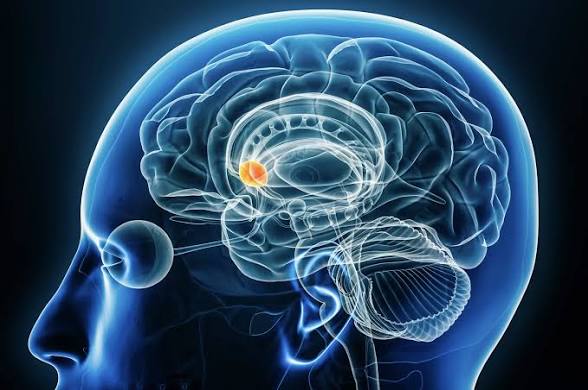
But that “normal” hides a subtle form of addiction — not to the device itself, but to the dopamine rush it gives.
Every buzz, like, or message delivers a micro-dose of anticipation — a hit of excitement, a whisper of validation.
Your brain lights up, briefly rewarded.
Then it crashes, leaving you craving the next ping.
Over time, this rewires your reward circuitry.
You stop seeking deep satisfaction (connection, creativity, focus) and start chasing quick dopamine hits — the neural equivalent of junk food.
—
When the Brain Never Gets to Rest
Our nervous systems were designed for cycles — stimulation, then recovery.
Hunt, rest.
Work, reflect.
Engage, then withdraw.
But digital life doesn’t allow for that rhythm.
Notifications replace stillness. Multitasking replaces attention.
We’ve eliminated the gaps where meaning grows.
Even when we rest — we scroll.
Even when we relax — we consume.
The result? A brain stuck in constant low-grade alert.
Chronic overstimulation triggers low-level cortisol spikes throughout the day.
You might not feel stressed, but your biology does.
Your focus shortens, your patience thins, and your creativity — that deep-flow state that comes from silence — fades into background noise.
—
Study Spotlight: The Cost of Constant Swiping
A 2019 study from the University of Texas at Austin found that even having your phone within reach — not using it, just seeing it — reduces available working memory and cognitive capacity.
Your brain allocates energy to resisting temptation instead of thinking deeply.
Another study published in Nature Communications (2021) showed that heavy social media use correlates with altered dopamine receptor sensitivity — meaning the brain literally adjusts its reward system to expect faster, more frequent hits of pleasure.
In other words: the more we scroll, the more our brains crave scrolling.
It’s a feedback loop — and breaking it feels like withdrawal because, on a neurochemical level, it is.
—
The Human Cost: Focus Fatigue
We used to talk about burnout as a symptom of overwork.
Now, it’s often a symptom of overstimulation.
Your attention — once your most powerful asset — gets fragmented into tiny, disposable pieces.
We’ve all felt it: you start reading something important, then an alert flashes. You click. You scroll. Ten minutes later, you’re somewhere else entirely — and your original thought is gone.
That’s not lack of willpower; that’s biology under siege.
The average adult attention span has dropped nearly 25% over the past two decades, according to Microsoft’s ongoing attention research.
And it’s not just attention — it’s depth.
We’re losing our capacity for boredom, which was once the seedbed of creativity and insight.
—
The Quiet Crisis No One Measures
You can’t see overstimulation on a medical chart.
It doesn’t show up in lab work.
But it’s there — in the anxiety you can’t name, the fatigue that coffee won’t fix, the restlessness that kicks in every time you sit still.
Modern overstimulation mimics anxiety and depression symptoms because it keeps your nervous system trapped in “micro-alert.”
You’re not supposed to check your messages every 90 seconds.
You’re supposed to feel moments of nothingness — pauses that reset the mind.
But we’ve built a society allergic to stillness.
We fill silence before it can even start.
—
How to Reclaim Your Brain
The goal isn’t to quit technology — it’s to restore rhythm.
Here’s what that looks like:
1. Single-task again.
Do one thing at a time. It sounds simple, but your brain will resist — that’s proof it’s been rewired.
2. Create digital fasts.
One hour before bed, one hour after waking — no screens. You’ll feel withdrawal at first. Then relief.
3. Replace input with output.
For every hour you consume, spend one hour creating — writing, building, moving, talking.
4. Reclaim silence.
Walk without headphones. Sit without scrolling. Let boredom return — it’s the gateway to real thought.
5. Prioritize sleep and light exposure.
Natural light in the morning, darkness at night. It resets circadian rhythm — the original operating system your brain still runs on.
—
The True Edge: Calm in a Loud World
People often chase optimization — more data, more output, more speed.
But the real edge now isn’t more — it’s less.
Less noise. Less stimulation. More clarity.
In a world addicted to distraction, focus has become a luxury good.
Calm is a competitive advantage.
So the next time you reach for your phone out of habit, remember: your attention is currency.
And the richest people in the next decade might not be those who own the most — but those who own their mind back.