
Cutting out an entire food group usually starts with good intentions.
Less sugar.
No carbs.
Dairy-free.
Fat-free.
Plant-only.
Meat-only.
At first, it feels empowering — like you’ve cracked the code. Energy improves. Weight drops. Digestion feels lighter. People compliment you. The plan feels clean.
But months later, something shifts.
Cravings get louder. Mood feels unpredictable. Energy crashes come out of nowhere. Social situations become stressful. And the diet that once felt like freedom starts to feel like a quiet sentencing — restrictive, rigid, and exhausting.
Not because you failed the plan.
Because the plan failed your biology.
Why Elimination Diets Feel So Effective at First
When you remove an entire food group, you almost always remove:
Ultra-processed foods
Excess calories
Blood sugar spikes
Inflammatory triggers
That initial improvement gets credited to the food group itself — when it’s really about simplification.
The body loves clarity. Less chaos equals less stress.
But over time, total elimination creates new problems.
The Hidden Cost of Nutrient Gaps
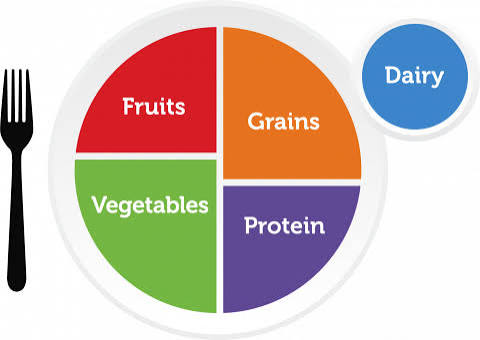
Every major food group carries unique nutrients:
Carbohydrates support thyroid function and serotonin
Fats support hormones and brain health
Proteins provide amino acids for repair and mood
Dairy (for those who tolerate it) supplies calcium and fat-soluble vitamins
When a food group gets permanently indicted, deficiencies creep in quietly.
You don’t feel it right away.
You feel it months later — in sleep, mood, recovery, and resilience.
What the Science Actually Shows
A large review published in The American Journal of Clinical Nutrition examined restrictive diets and long-term adherence. The researchers found that highly restrictive eating patterns were associated with increased stress hormones, reduced metabolic flexibility, and poorer long-term compliance, even when short-term markers improved.
In simple terms:
The body adapts — but it doesn’t thrive under constant restriction.
This explains why many people “fall off” diets not because of lack of discipline, but because the physiology pushes back.
Why the Body Hates Absolutes
Your metabolism evolved for variety, not extremes.
When entire food groups disappear:
Stress hormones rise
Metabolism becomes rigid
Cravings intensify
Social eating becomes mentally taxing
It turns everyday meals into negotiations — like holding court in your own head, reviewing evidence, questioning choices, handing down internal sentencing for eating “wrong.”
That’s not health.
That’s stress disguised as discipline.
Real Life Isn’t a Perfect Food Environment
Whether you’re living in Jacksonville, navigating long workdays, family dinners, or just trying to eat normally in the modern world — rigid elimination rarely survives real life.
Even in the Middle District of Florida (or anywhere else), life includes:
Social meals
Travel
Busy schedules
Emotional eating moments
A lifestyle that only works in controlled conditions isn’t sustainable health — it’s temporary compliance.
What Works Better Than Cutting Everything Out
Instead of eliminating entire food groups, healthier strategies include:
Reducing ultra-processed versions
Focusing on food quality, not labels
Rotating foods instead of banning them
Paying attention to how foods feel, not just rules
Most people don’t need less food variety.
They need less nutritional chaos.
The Bigger Picture
Health isn’t about finding the one food group to blame.
It’s about building a relationship with food that supports:
Energy
Mood
Hormones
Longevity
Mental peace
When diets become extreme, the body eventually pushes back — not to punish you, but to protect itself.
No food group needs a lifetime indictment.
Balance doesn’t mean eating everything all the time.
It means flexibility, consistency, and respect for how the body actually works.
Also read:
When Skipping Meals Backfires: The Hidden Health Cost of Not Eating (Even When You’re “Fine”)
Also read :
Your Body Has a Different Age Than Your Birthday: Why Health Isn’t Measured in Years
Also follow: